
Last updated November 24, 2026
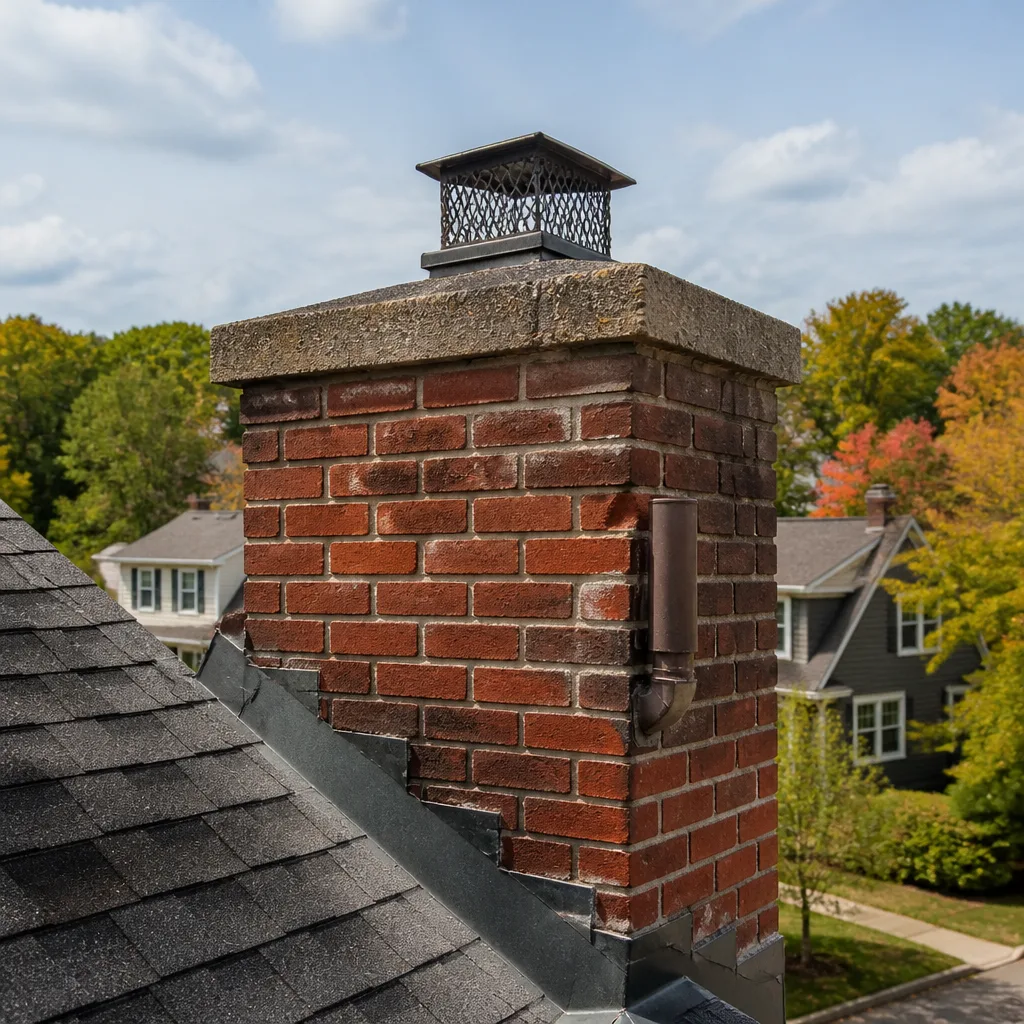 Sweep & inspection
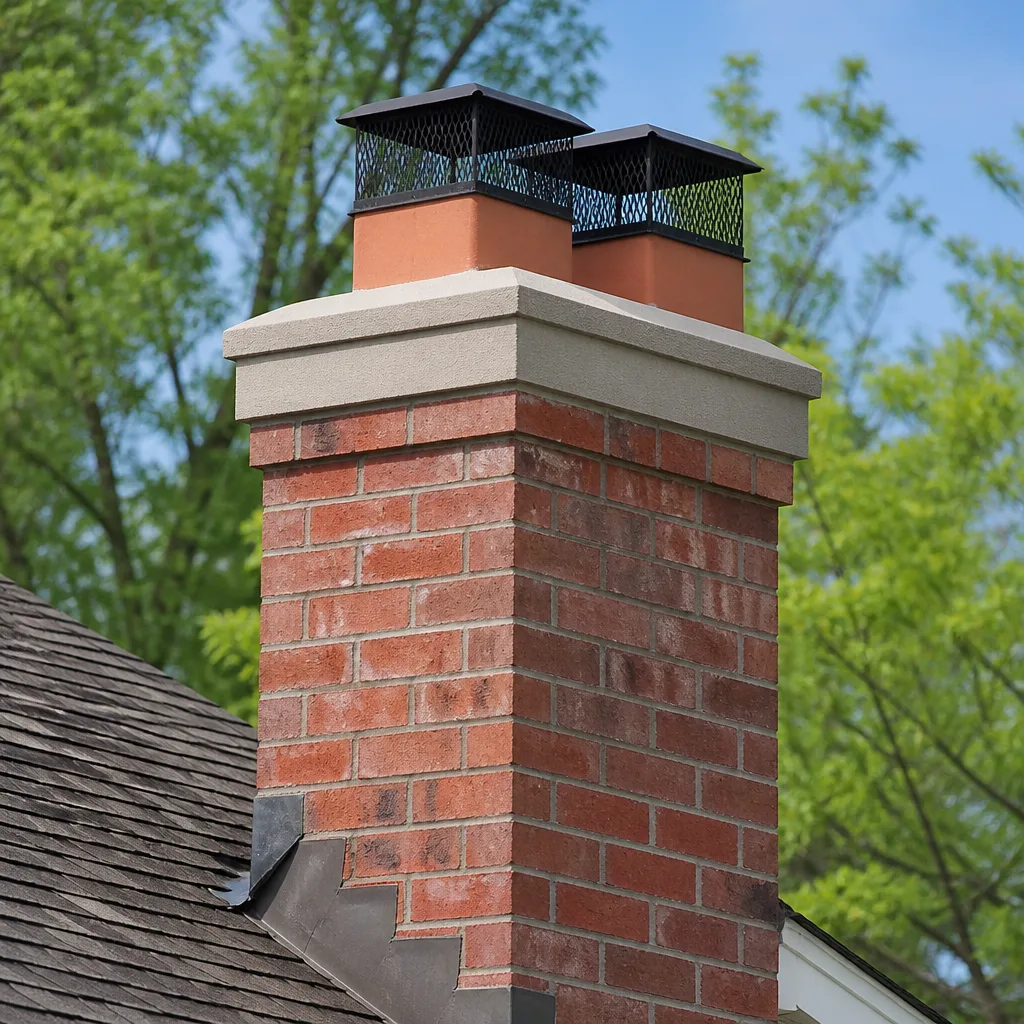 Caps & crowns
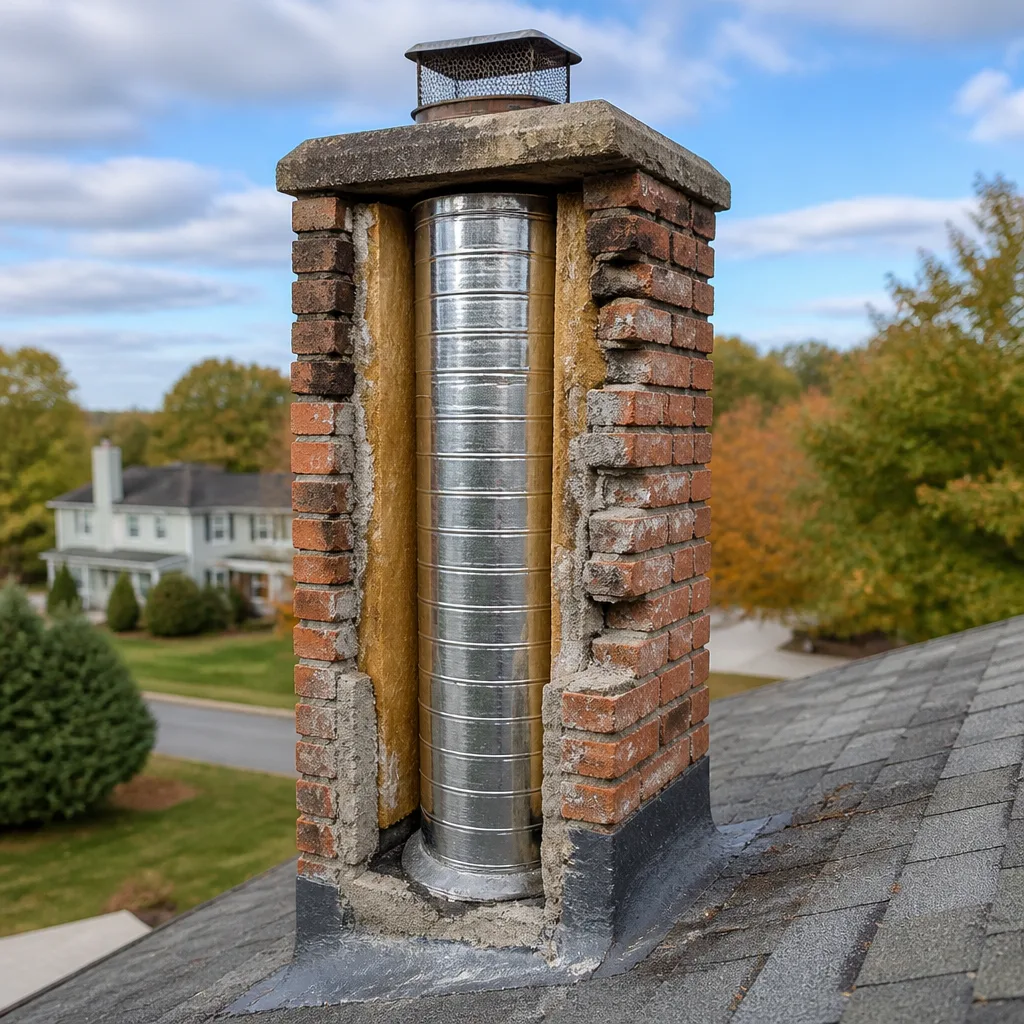 Flue relining
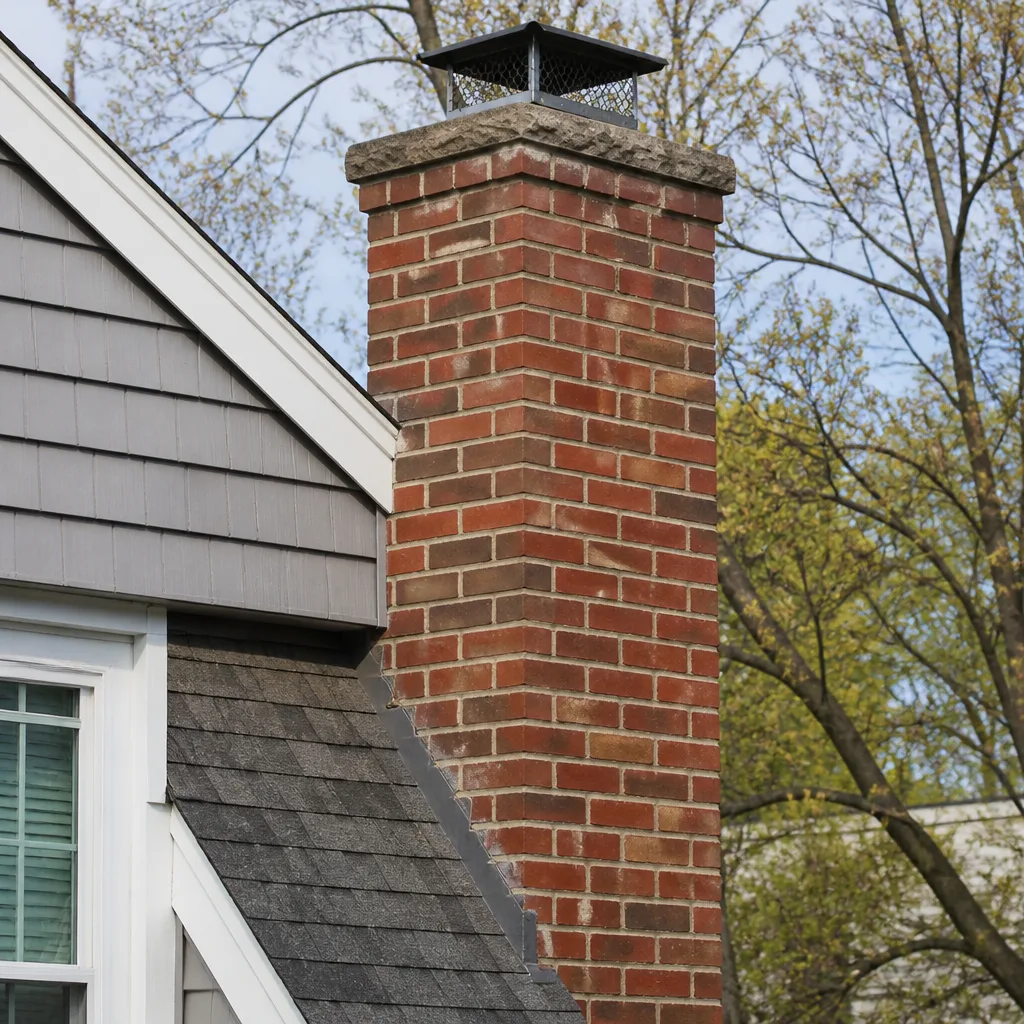 Masonry repair
 Gas fireplace service
Level 1 sweep and inspection to the NFPA 211 annual standard - flue, crown, cap, and flashing checked and photographed
Chimney sweep logs do not sweep chimneys. They loosen some creosote - which then falls where a brush and vacuum still have to collect it.
Seasonal Chimney Cleaning Care for Memorial: Year-Round Homeowner’s Guide
In northern states, winter is when chimneys work hardest. In Memorial, summer is when they deteriorate fastest – and nobody is watching. That’s the inverted logic behind chimney care in Southeast Texas. Our burn season is short, roughly November through February, so most homeowners think about the flue only when the first cool front arrives. The months that actually determine a chimney’s condition are the ones with no fire in it at all: May through September, when warm, humid Gulf air moves through an uncapped or poorly sealed flue and quietly works on the masonry. This guide rebuilds the chimney calendar around what really happens to a flue here, so you know what to check in Memorial, when to book a chimney sweep, and which problems can safely wait.
Quick Answer
In Memorial, the highest-risk season for a chimney is summer, not winter. Humidity from May through September drives moisture into unprotected flues and damaged crowns, and the short burn window that follows concentrates creosote faster than most seasonal guides assume. Year-round care means a post-season inspection and cap check in spring, moisture repair before fall, a sweep before the first fire, and a post-storm look after hurricane season.
Styles & brands we work with
- Sweep & inspection
- Caps & crowns
- Flue relining
- Masonry repair
- Gas fireplace service
Table of Contents
- Why the Chimney Calendar Inverts in Memorial
- What Houston Summer Humidity Does to an Unprotected Flue
- Fall Preparation: Moisture First, Creosote Second
- Reading the Brief Memorial Burn Season
- Spring Tasks That Prevent Next Year’s Problems
- The Post-Storm Inspection Window
- Matching the Season to the Service
- When to Call a Professional
Why the Chimney Calendar Inverts in Memorial
Most chimney advice is written for a climate with a long heating season and a cold, dry winter. Memorial doesn’t have that climate, so the advice doesn’t map cleanly. Here the heating season is brief and mild, and the two dominant weather forces are warm-season humidity and a hurricane season that runs through the same warm months. Both push moisture at the chimney from the outside, while the short burn window pushes creosote at it from the inside.
That creates a split calendar. The conventional model squeezes everything into fall: sweep, inspect, done. In our experience across Memorial, the fall visit is necessary but incomplete, because by the time October arrives the real damage has already been happening for months on the exterior and inside an idle flue.
Here’s the year as it actually breaks down for a Memorial home:
- Spring (March to May): the close of burn season. Time to sweep out the year’s creosote, check the cap and crown after winter rain, and let the flue dry.
- Summer (June to September): the high-risk window. Warm, humid air and afternoon storms test every seam, crown and cap. This is when moisture damage sets in on a chimney nobody is looking at.
- Hurricane season (June through November): overlaps the entire vulnerable stretch and adds wind-driven rain and debris.
- Fall (October to November): the repair window before the first fire. Moisture problems get addressed, then the flue is confirmed ready.
- Burn season (roughly November to February): short and concentrated, and that concentration matters for creosote, which we’ll get to.
The point isn’t that the standard calendar is wrong. It’s that a Memorial chimney spends most of the year in weather that punishes it, and only a few months doing the job it was built for. Care has to follow the weather, not the fire.
What Houston Summer Humidity Does to an Unprotected Flue
Summer is the quiet season for the fireplace and the loud season for the chimney. Southeast Texas air from May through September is warm and moisture-laden, and a flue is essentially a vertical column open to the sky if the cap is missing, damaged or poorly fitted. Warm humid air rises into the flue during the day and cools overnight, and that cycle leaves condensation on masonry and on any metal surface inside the chimney.
That moisture is the problem. Creosote and soot left over from the last burn season hold water against the flue walls. Masonry is porous, so it takes moisture in and gives it back slowly, and a crown with a hairline crack invites water straight into the chimney structure. Left alone for a whole summer, that combination softens mortar joints, spalls brick faces and rusts damper assemblies and metal liners.
By the time fall arrives, the symptoms show up as:
- White, chalky staining on exterior brick (efflorescence), a sign moisture is moving through the masonry.
- A musty or smoky smell in the firebox on humid days, especially in a closed-up house.
- Rust on the damper, the firebox grate or metal liner components.
- Flaking brick faces or crumbling mortar in the firebox or on the chimney exterior.
- Water staining on the ceiling or chimney breast after a heavy storm.
None of these are emergencies. All of them get worse every summer they’re ignored. The fix is usually prevention rather than rebuild: a properly fitted cap and a sound crown keep most of the summer’s moisture where it belongs, outside the flue. That’s the reasoning behind treating chimney cap & crown work as core seasonal maintenance in Memorial, not a cosmetic upgrade. When masonry liners have already deteriorated from repeated wetting, resurfacing with a product like HeatShield can restore the flue surface rather than require a full rebuild, but the assessment comes first.
Fall Preparation: Moisture First, Creosote Second
Every fall guide tells you to sweep before the first fire. In Memorial, that order is backwards. A sweep is a cleaning, not a waterproofing, and sweeping a flue that’s taken on summer moisture doesn’t dry it out or fix the entry point. If creosote sits on damp masonry, it’s harder to remove cleanly and the underlying problem persists into the burn season.
Here’s the sequence we’d suggest for a Memorial home in early fall:
- Inspect the exterior first. Look at the cap, the crown and the brickwork. Any crack in the crown, gap around the cap or missing spark screen lets water in and should be addressed before the flue is put back to work.
- Confirm the flue is dry. A flue that’s held moisture through the summer needs to dry before it’s cleaned and assessed. Damp creosote is stubborn, and a damp masonry liner can hide deterioration.
- Sweep the flue. Once the entry point is handled and the flue is dry, a proper sweep clears the season’s soot and creosote so you can actually see the liner condition.
- Inspect the full flue and firebox. With the flue clean, a camera inspection shows the liner, joints and damper condition, which is where the real decisions get made.
- Repair what the inspection found. Cracked crowns get sealed, damaged liners get relined or resurfaced, and any fireplace or damper issue gets a fix before the first burn.
The logic is simple: you can’t assess a flue you can’t see, and you can’t protect one that’s still letting water in. Moisture repair before the burn season means fewer surprises, and it means the sweep result actually tells you something about the flue’s condition. For a firebox that’s taken on summer wear, fireplace repair in the fall catches the damage while the fix is still small.
Reading the Brief Memorial Burn Season
The Memorial burn season runs roughly November through February, and its brevity does something unexpected to creosote. In a cold climate, a fireplace burns steadily for months and homeowners get used to a gradual buildup. Here, cold snaps come in short bursts, and the fires burn harder and hotter during a shorter window, with long idle stretches in between. Idle time lets creosote cool, harden and glaze; a hot fire on top of that can drive it back into the liner.
Two things affect creosote accumulation more than the calendar:
- What you burn. Seasoned, dry firewood produces far less creosote than green or wet wood. Burning unseasoned wood in a short, hot-burn window is a fast route to glazed creosote.
- How the fire runs. Smoldering, low-air fires deposit more creosote than a well-ventilated burn. That matters because a mild Memorial winter invites lazy, slow burns more than a hard cold climate does.
How often should you sweep? For most Memorial homes, one annual sweep timed at the end of the burn season covers it, but the right answer depends on how much you burn and what you burn. A household that lights the fire most nights through the window needs a mid-season look. A household that burns a dozen fires a year may not.
On the burn season safety side: a flue with a heavy creosote load is a chimney fire risk, and a blocked or damaged flue can let carbon monoxide back into the living space. Those are the two reasons the pre-season check and the end-of-season sweep both matter here, and the reason we don’t recommend skipping either. If you’ve had creosote glaze build up over a season or two, a professional assessment tells you whether a sweep is enough or whether the liner needs work.
Spring Tasks That Prevent Next Year’s Problems
Spring is the most useful chimney season in Memorial, and almost nobody uses it. Once the last fire is out, the flue is empty and the weather is still mild – the ideal conditions for the work that protects the chimney through the difficult summer months. The tasks below are the ones that pay off most in our experience:
- Sweep out the season’s creosote. A flue that goes into summer carrying soot and creosote holds moisture against the liner all season. A spring sweep removes the fuel for that problem.
- Inspect the cap. Check the cap is intact, correctly fitted and screened. A missing or damaged cap is the single most common way water and critters get into a Memorial chimney over the summer.
- Seal the crown. Small cracks in the crown let water into the chimney structure. Sealing them in spring is far less expensive than repairing the damage they’d cause by fall.
- Let the interior dry and check for damp signs. Deal with any smoky smell or rust now, before the humid season compounds it.
- Book the formal inspection. A spring inspection gives you a documented condition report to plan any summer repair work around, rather than discovering it in October when the first cold front hits.
Spring is also when a call about a chimney is easiest to schedule, since most people are thinking about air conditioning, not fireplaces. Booking the Chimney Sweep Memorial team in spring gets the preventive work done in the calm season, so fall is for confirming the flue is ready rather than reacting to a problem.
The Post-Storm Inspection Window
Hurricane season runs June through November, over the whole stretch when a Memorial chimney is most exposed. Standard seasonal guides are written for places without a wind-driven rain and debris season, so they leave this out entirely. In our experience, this is where a lot of the worst summer damage starts.
After a major storm or a strong wind event, the things worth checking on a chimney are specific:
- Cap security. Wind can loosen or dislodge a cap. A cap that’s shifted out of place now leaves the flue open through the rest of the season.
- Crown condition. Wind-driven rain finds every crack in a crown. A storm is often the event that opens a hairline crack into a real leak.
- Exterior masonry. Look for new spalling, displaced bricks, cracked mortar or staining that wasn’t there before the storm.
- Debris in the flue. Wind-borne debris and leaves can enter an unprotected flue and block it. A blocked flue is a serious hazard, not just a draft problem.
- Interior signs. Water stains, a new smoky smell or a damper that no longer operates smoothly are all worth a professional look.
You don’t need an inspection after every rainstorm, but after a named storm or a serious wind event, a check is sensible. It’s also a natural moment to have the whole chimney inspected, since a formal inspection documents condition before and after the weather that matters most. If a storm has exposed damage, the sooner it’s addressed the less summer it has to sit through.
Matching the Season to the Service
One of the reasons seasonal care is confusing is that the right service varies by season, and each service answers a different question. Our five-service line-up maps cleanly to the Memorial calendar, which makes planning straightforward:
- Spring – sweep and inspect. Clear the season’s creosote and get a documented condition report before summer. The inspection should be its own formal service, not a glance during a cleaning.
- Late spring to summer – cap and crown, plus any moisture repair. This is the preventive window. A cap and a sound crown are what protect the flue through the humid months.
- Summer – structural and liner repair. If the inspection found a deteriorated liner, summer is the time to reline or resurface it, while the flue is out of use. Stainless systems such as DuraFlex handle full relining; HeatShield resurfacing restores a masonry liner that’s still structurally sound. Both are professional-grade materials, not retail products, and both are chosen to fit the flue, not the other way around.
- Fall – repair the firebox and confirm readiness. Tune up the fireplace and damper, then confirm the flue is ready before the first fire.
- Winter – sweep only if the burn load calls for it. A heavy burn season may warrant a mid-season look.
The recurring theme is inspection first. A cap-and-crown job, a reline or a fireplace repair decision should all follow a documented look at the actual condition, not a guess based on the season. That’s the discipline we bring to every Memorial chimney: inspect before you repair, and recommend only what the evidence supports. If it isn’t clear whether work is needed, we say so and tell you what can safely wait.
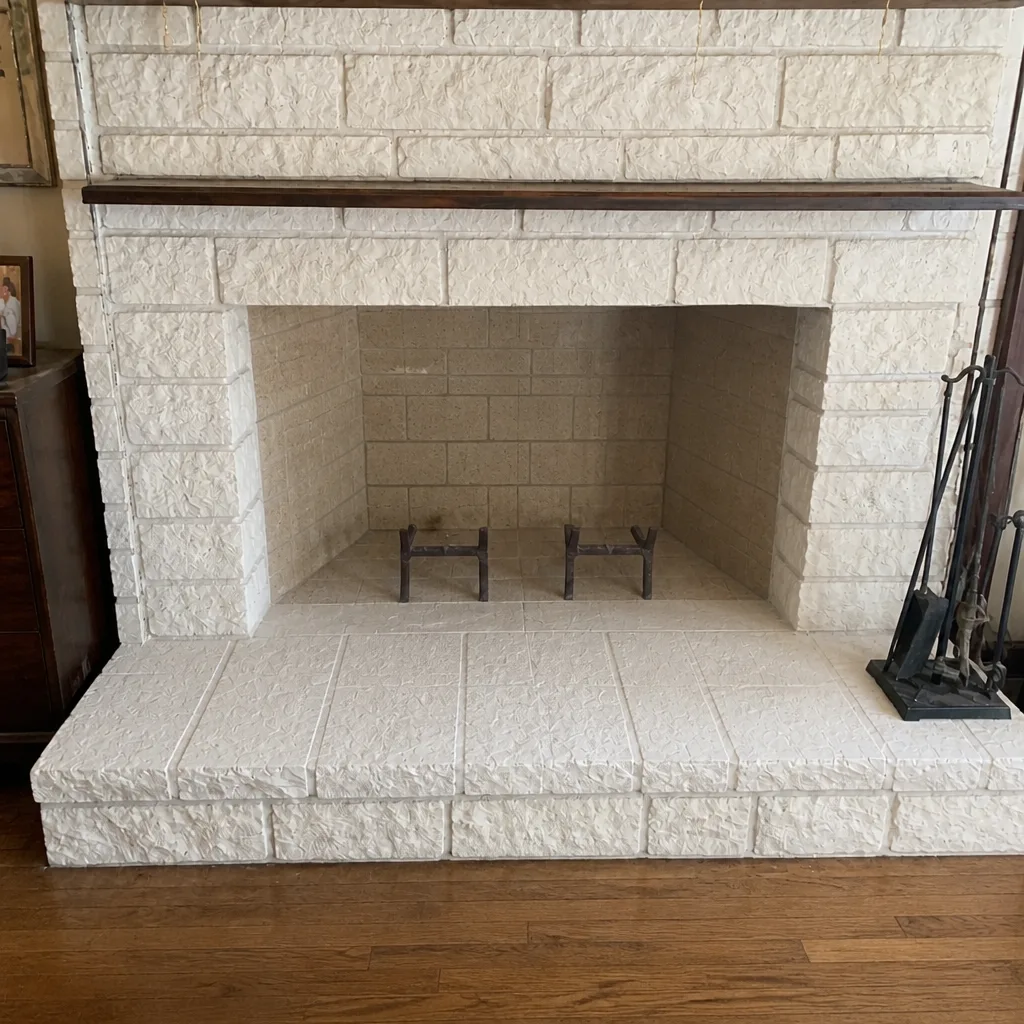
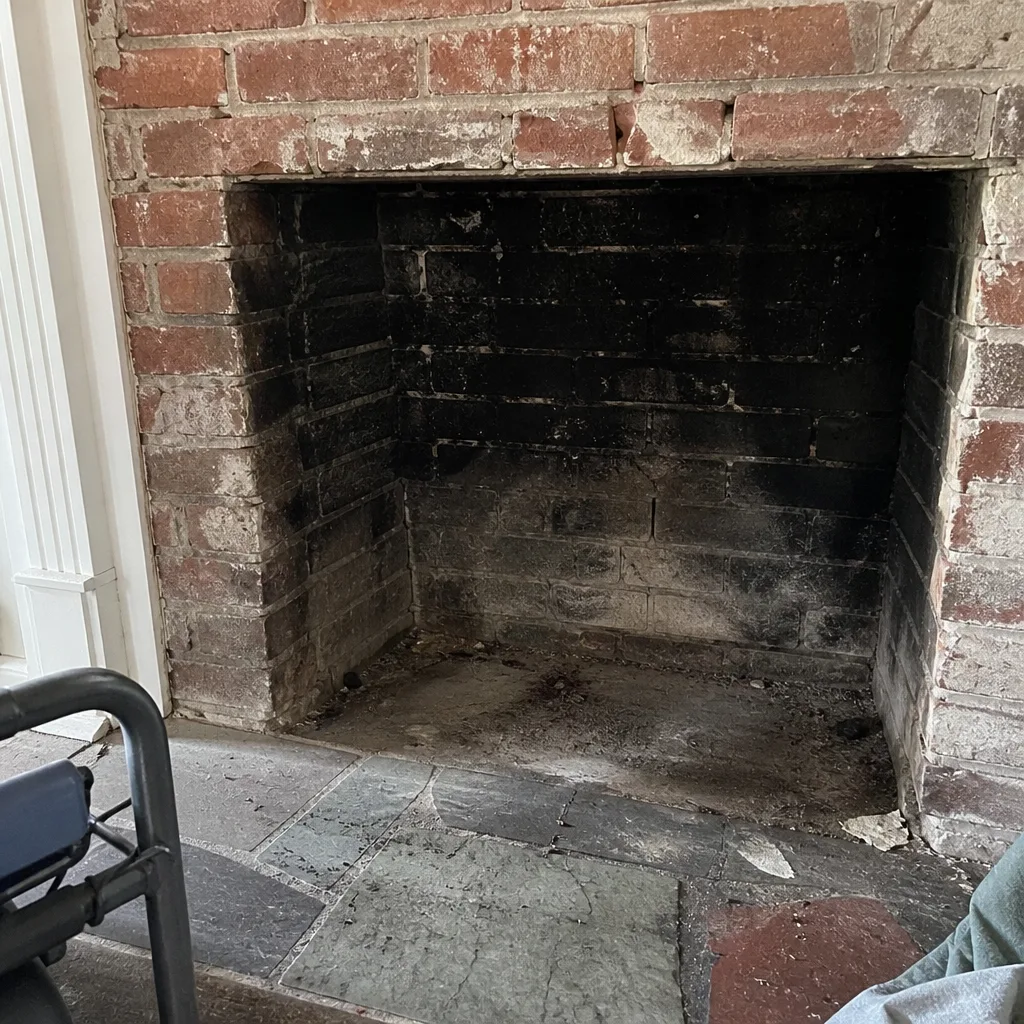
See the difference
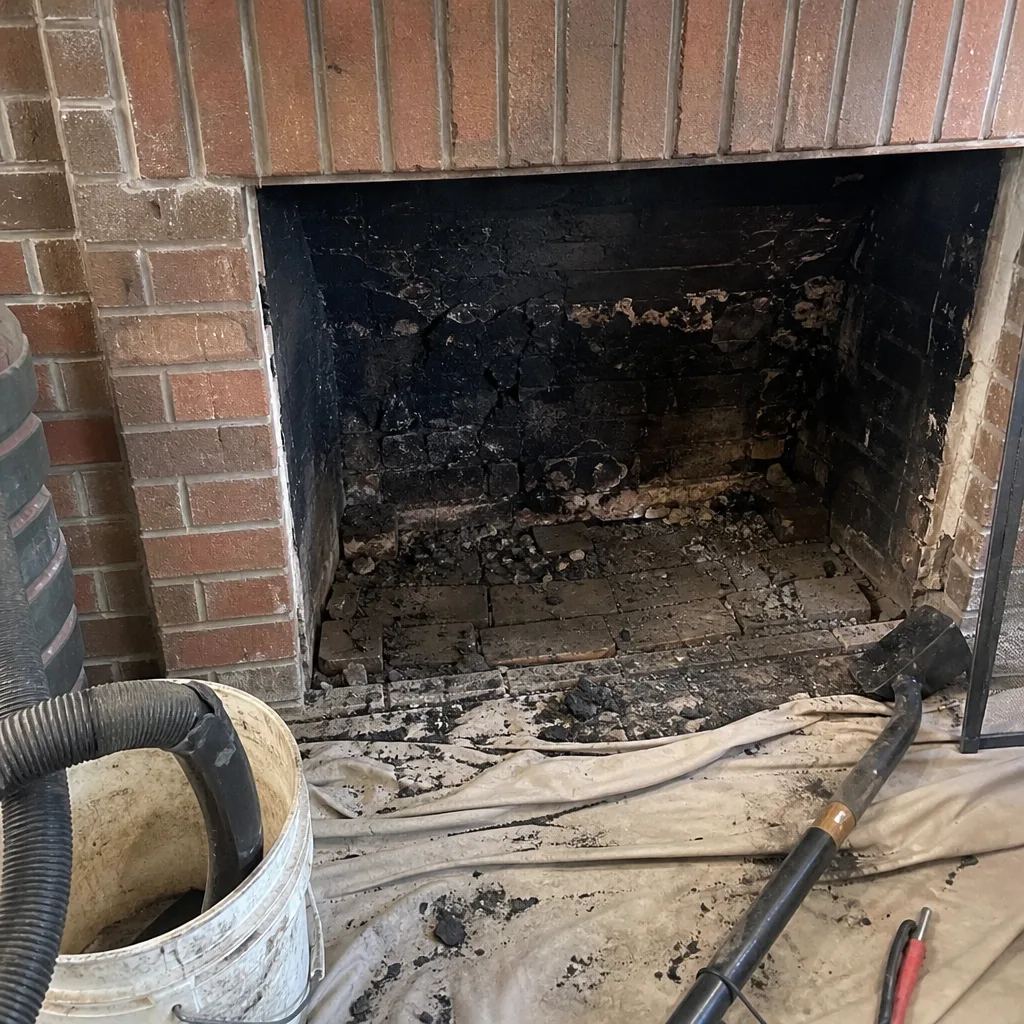 Before
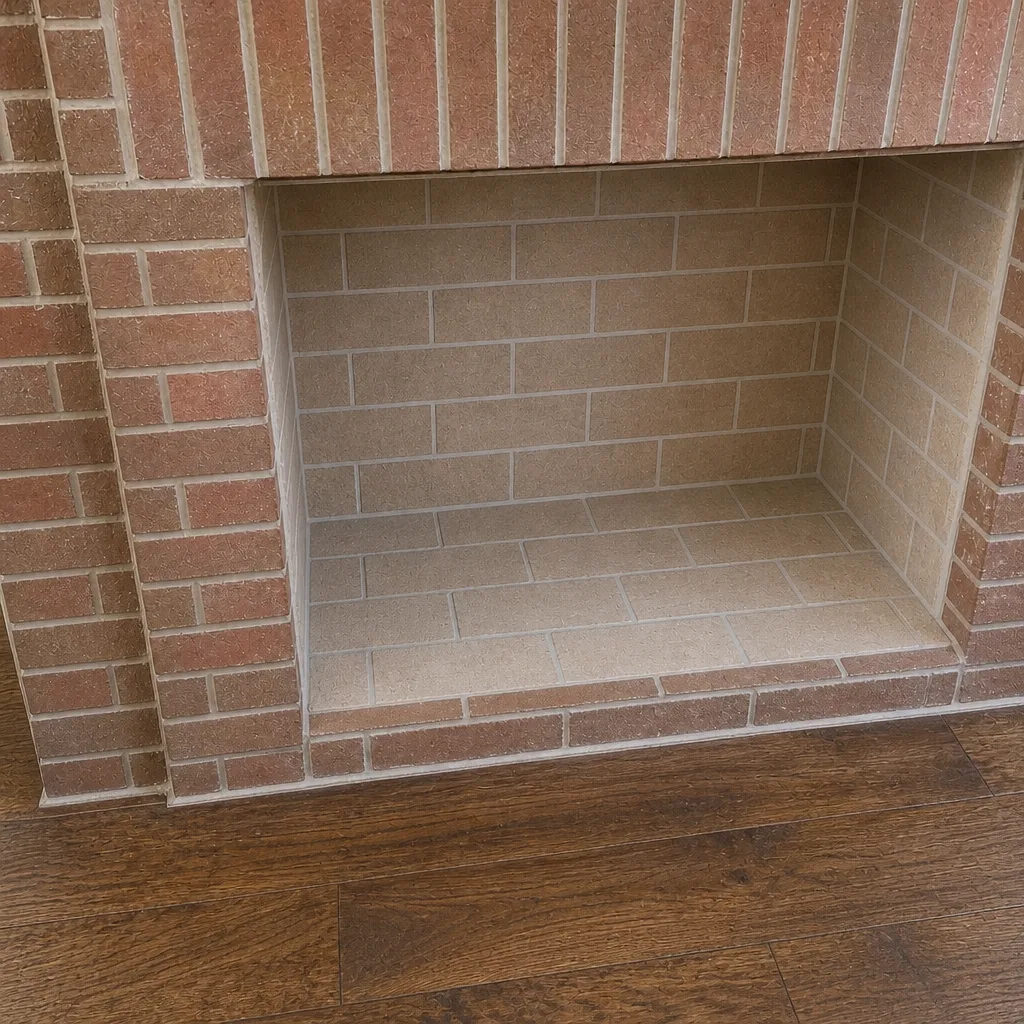 After
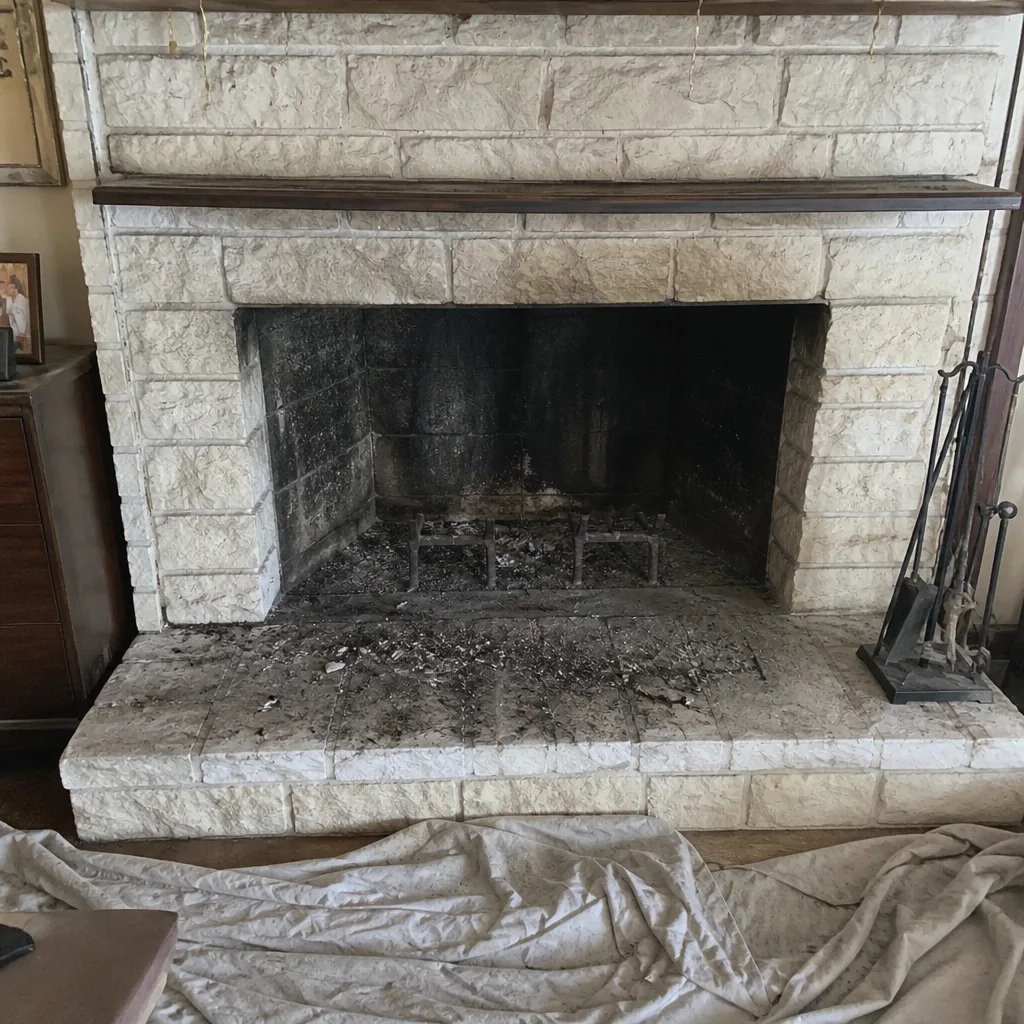 Before
 After
 Before
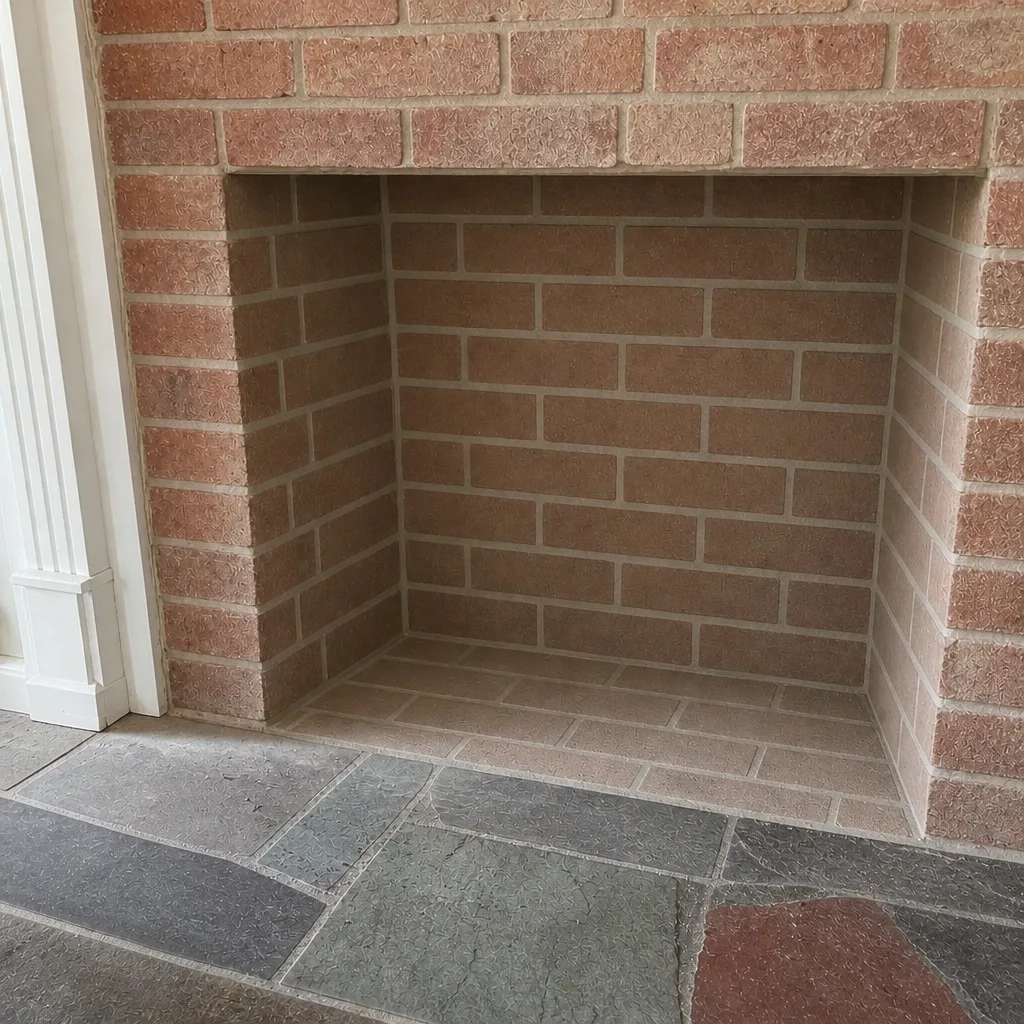 After
Common Mistakes to Avoid
- Treating fall as the only season that matters. In Memorial, the exterior damage accumulates over the summer. Fall-only care means repairing problems that spring prevention would have avoided.
- Leaving a chimney uncapped through the humid season. An open flue is an invitation for rain, humidity and wildlife from May to September. A properly fitted cap is the cheapest protection a Memorial chimney has.
- Ignoring a cracked crown until it leaks. Hairline cracks in the crown are a small seal job in spring and a structural repair by fall. The summer is what turns one into the other.
- Sweeping a damp flue and calling it done. Cleaning a flue that’s taken on summer moisture doesn’t fix the water problem, and damp creosote is harder to remove cleanly.
- Burning unseasoned wood in a short, hot-burn window. The brief Memorial season rewards dry wood. Wet wood in a concentrated burn window is how glazed creosote builds up fast.
- Skipping the post-storm check. Wind-driven rain and debris are the most common ways a flue is compromised in this region, and hurricane season overlaps the whole vulnerable stretch.
- Assuming the standard national calendar fits. A guide written for a long northern winter doesn’t account for the humidity cycle, the short burn window or storm season. Care here has to follow local weather.
When to Call a Professional
Some seasonal tasks are checks you can make yourself: looking at the cap, noting staining on exterior brick, watching for a smoky smell. Others need a trained eye, and calling in a specialist is the right move when:
- You’ve never had the flue inspected, or it’s been more than a season since the last inspection.
- You see new staining, spalling or crumbling mortar on the chimney.
- You smell smoke or mustiness in the firebox on humid days.
- You’ve had a chimney fire, or a heavy creosote buildup is suspected.
- The damper is stuck, the firebox is damaged or the fireplace smokes into the room.
- A named storm or serious wind event has passed through since your last check.
Chimney Sweep Memorial offers free estimates in Memorial – call (833) 509-5352. We answer 24/7. Fast dispatch from 7am to 7pm, Sunday through Friday. A sweep is booked, and the estimate sets a flat price before any work begins, so you know the cost before you commit. Nothing gets recommended without evidence you can see: a camera inspection and photo report come with the job, so a liner or masonry recommendation is backed by images of your actual flue, not a sales pitch.
Frequently Asked Questions
A routine chimney sweep in the Memorial area is typically a few hundred dollars, and the written estimate from your inspection sets the exact price before booking. The final figure depends on the flue, its condition and the services needed, and the estimate is free. Call (833) 509-5352 for an exact quote – estimates are free.
For most Memorial homes, one annual sweep at the end of the burn season is the standard, adjusted for how much and what you burn. A household that lights the fire most nights through the November to February window may need a mid-season look, while a household burning only a handful of fires a year may need less. The inspection tells you which applies to your flue. Call (833) 509-5352 to book the sweep.
Summer is when warm, humid Gulf air and afternoon storms work on an unprotected flue for months with no fire in it. Moisture enters through a damaged cap or a cracked crown and is held against masonry by leftover soot and creosote, which softens mortar, spalls brick and rusts metal components. A spring sweep plus a sound cap and crown is what prevents it.
Only if a camera inspection shows the liner is deteriorated, cracked or failing – not because a flue is old. We inspect before we recommend, and a reline is offered only when the evidence you can see supports it. If your liner is sound and the problem is a resurfacing issue, HeatShield can restore the surface instead. Call (833) 509-5352 for a free estimate.
Skipping it usually means two things get worse quietly: moisture damage through the summer and creosote buildup through the burn season. A flue that held moisture all summer can soften mortar and rust components, and a heavy creosote load in a short, hot Memorial burn season raises the risk of a chimney fire. Neither is an emergency on day one, which is exactly why it gets ignored. Call (833) 509-5352 before the next burn season.
Late spring and early summer are the most useful times to book, because that’s when preventive work protects the chimney through the humid season. Fall is the right time for repairs and a pre-season check. We’re closed on Saturday, and a call outside dispatch hours is booked into the next opening, Sunday through Friday, 7am to 7pm. Call (833) 509-5352. We answer 24/7.
The Bottom Line
Memorial inverts the usual chimney calendar. The burn season is short, but the humid season is long, and it’s summer – not winter – that does the quiet damage to an unprotected flue. Year-round care means a spring sweep and inspection, cap and crown maintenance before the humid months, structural and liner repair in summer, and a moisture-first fall prep before the first fire, with a post-storm check whenever hurricane season sends one through. Book the sweep, let a camera inspection show you the actual condition of the flue, and fix what the evidence supports. Call (833) 509-5352 for a free estimate. We answer 24/7. Fast dispatch from 7am to 7pm, Sunday through Friday.
Written by the team at Chimney Sweep Memorial.