
Last updated November 24, 2026
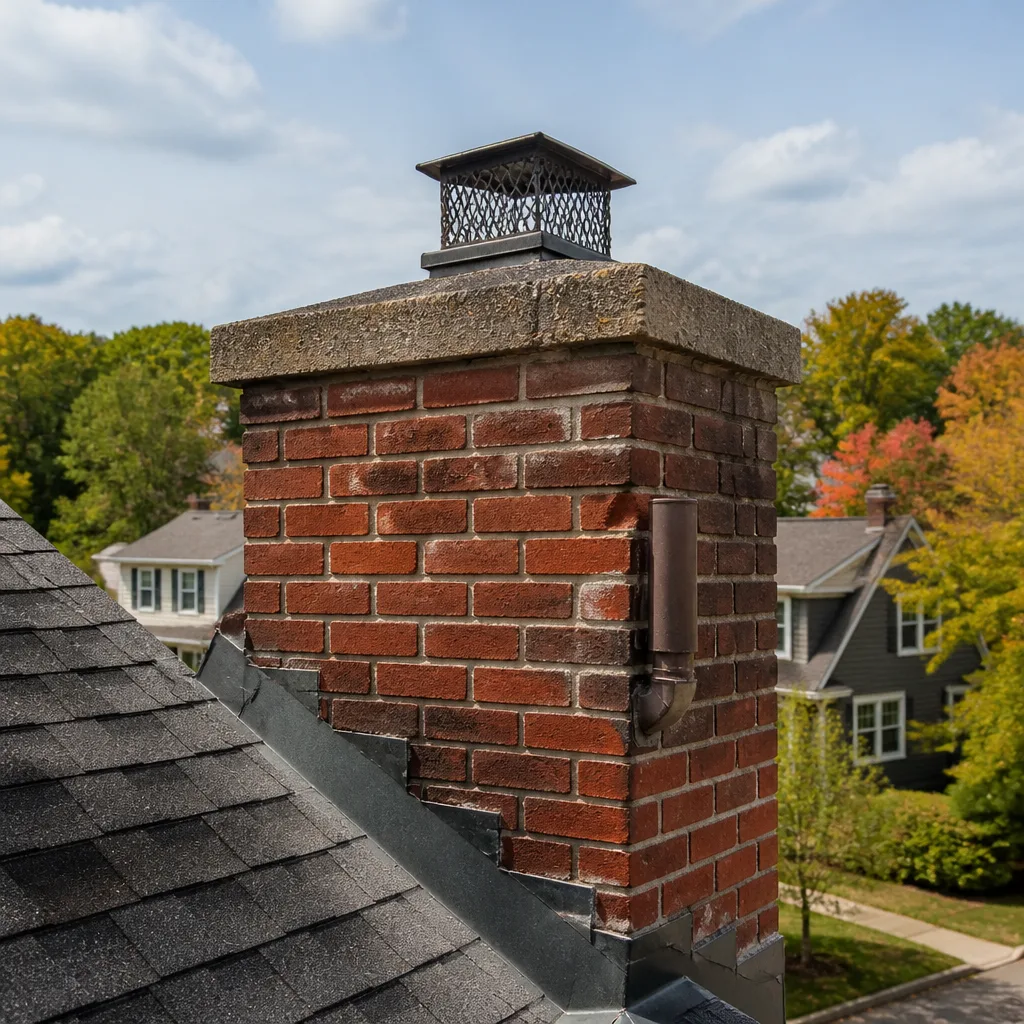 Sweep & inspection
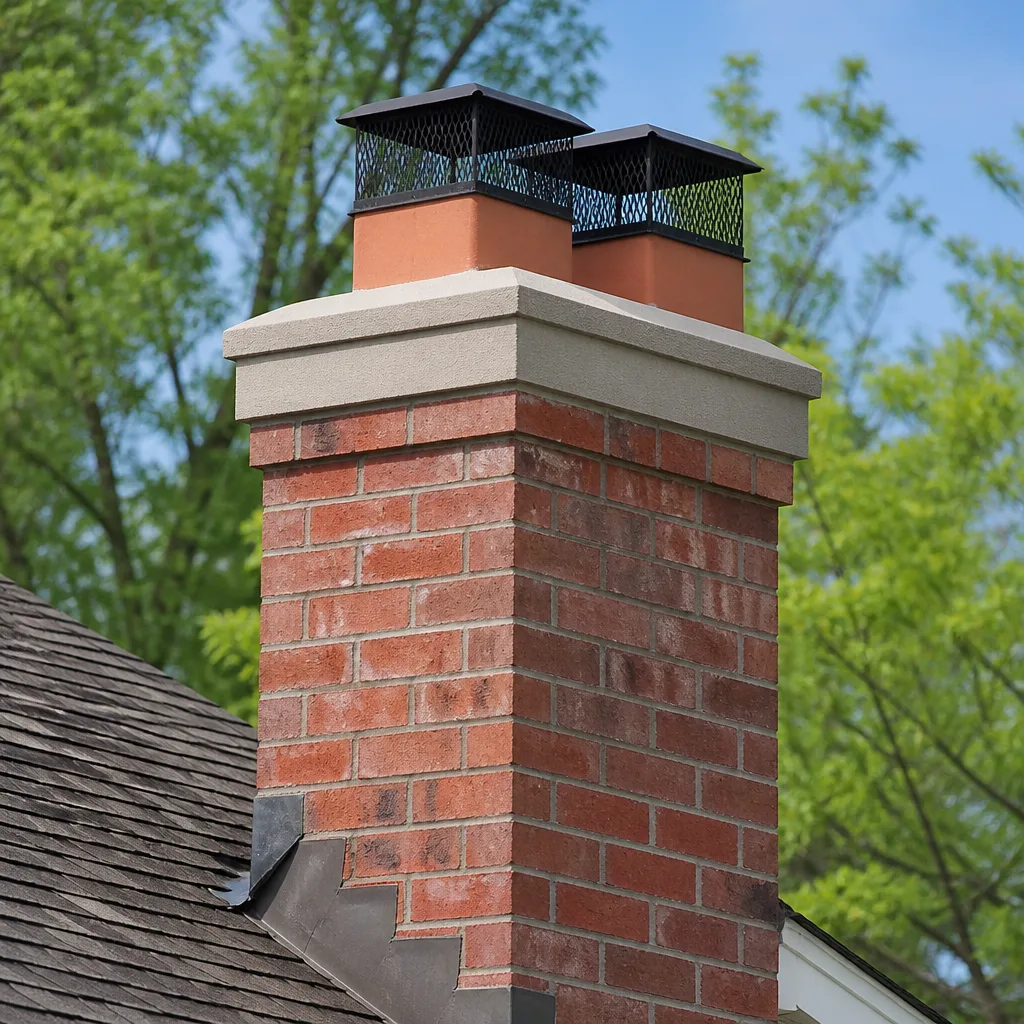 Caps & crowns
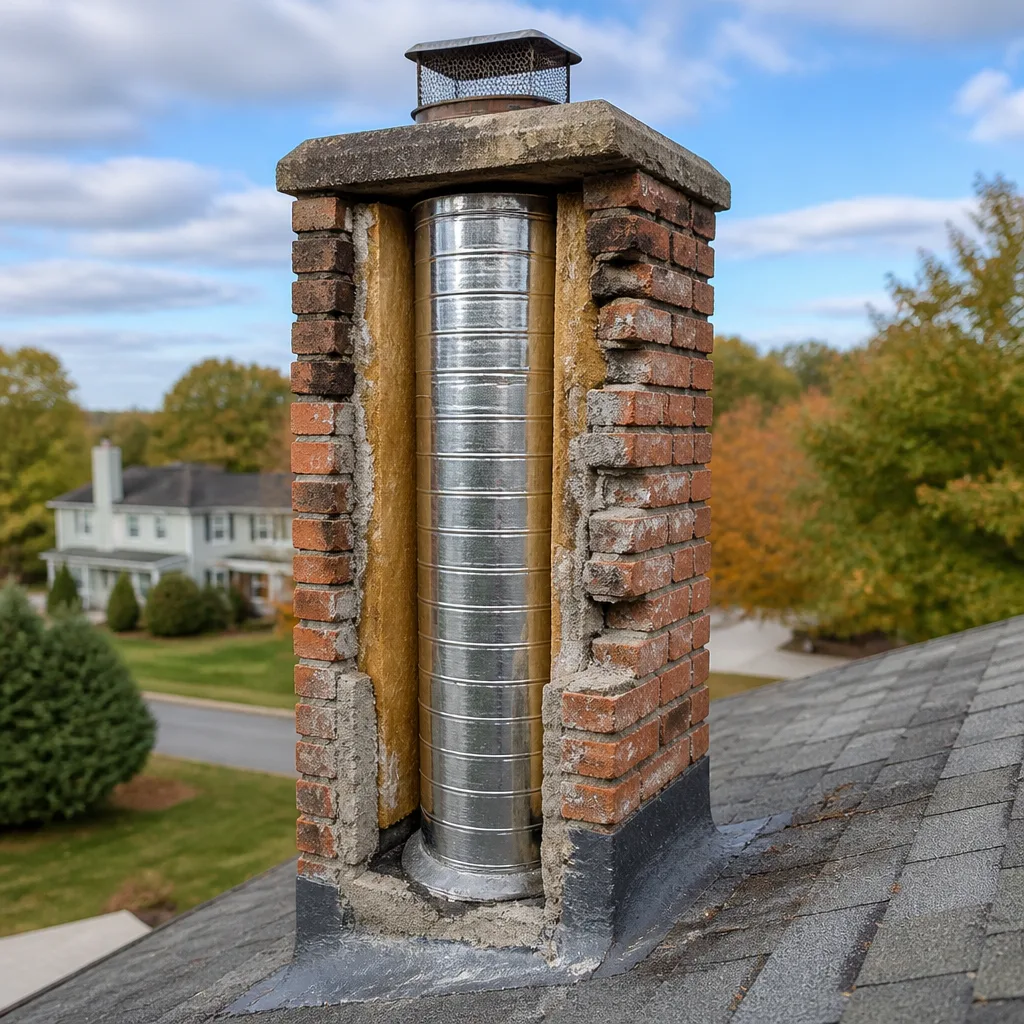 Flue relining
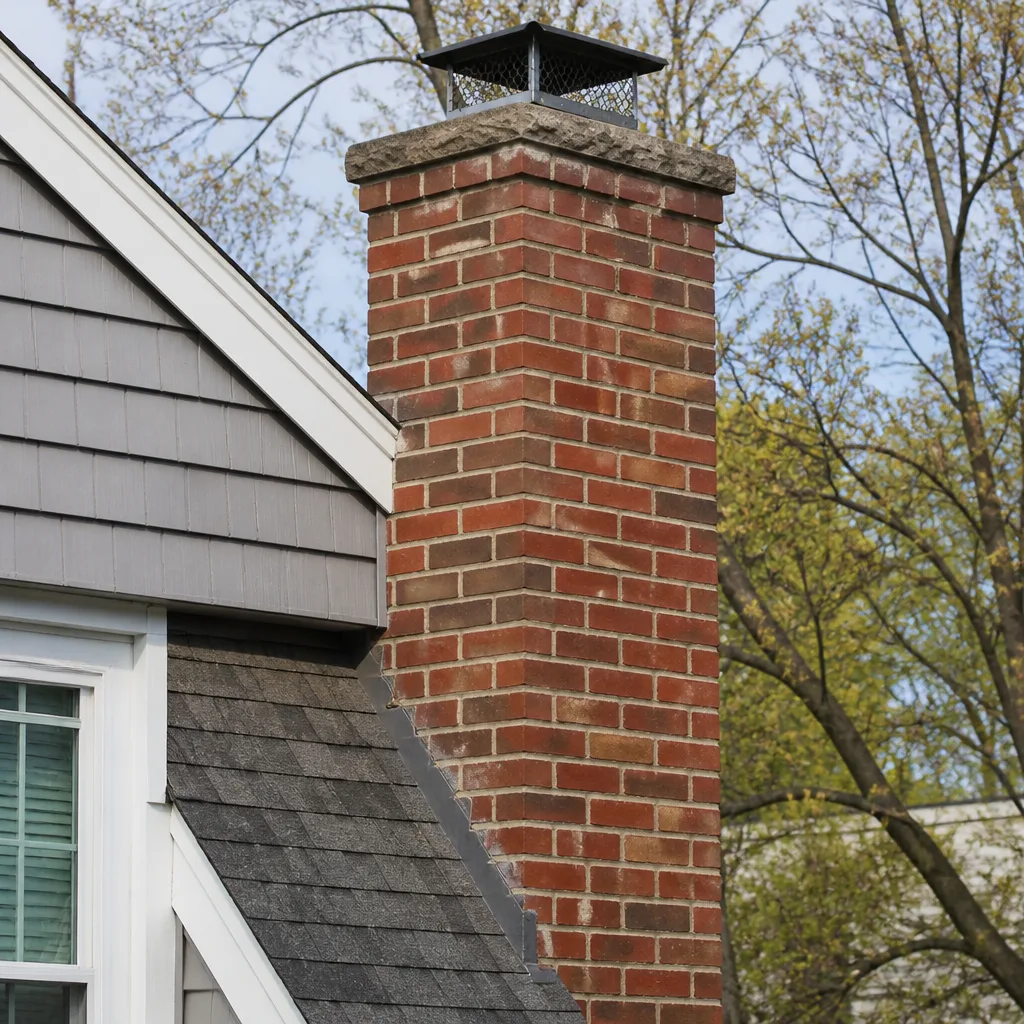 Masonry repair
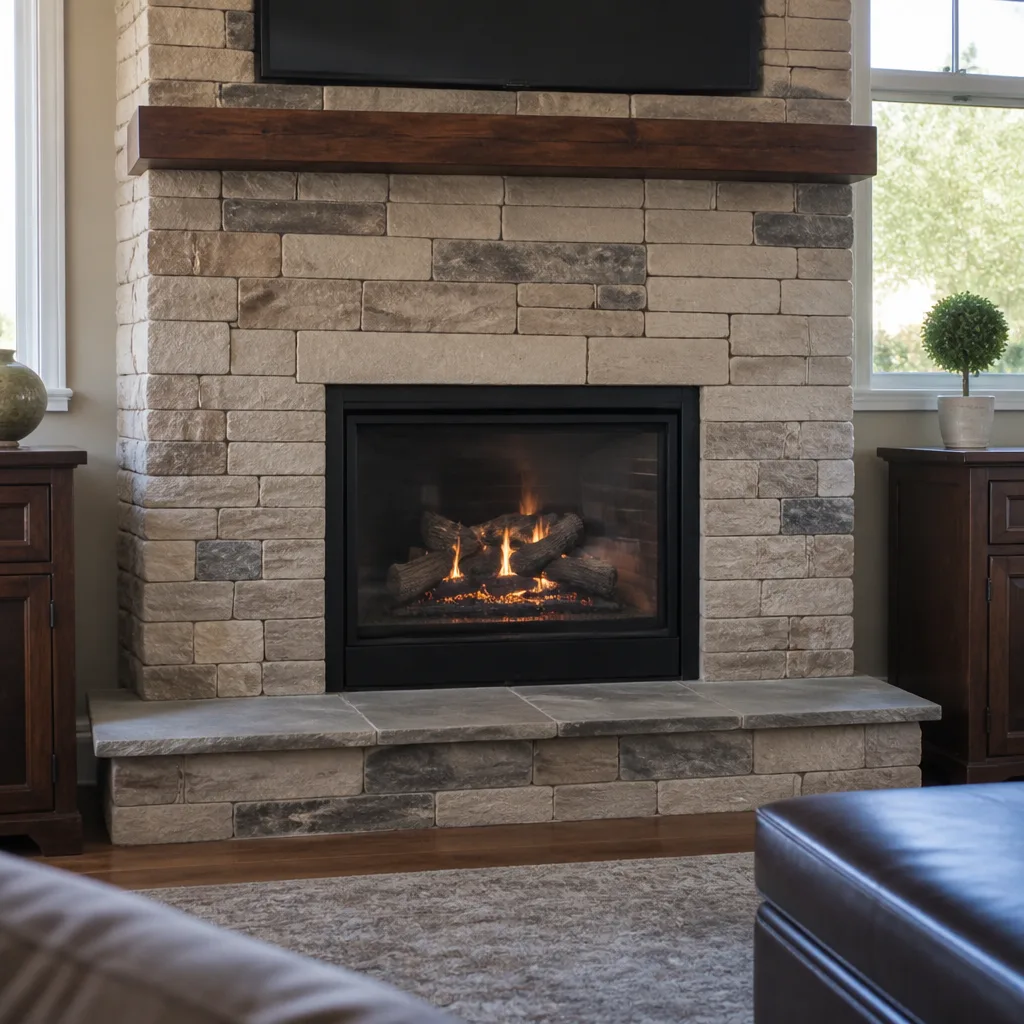 Gas fireplace service
Level 1 sweep and inspection to the NFPA 211 annual standard - flue, crown, cap, and flashing checked and photographed
Chimney sweep logs do not sweep chimneys. They loosen some creosote - which then falls where a brush and vacuum still have to collect it.
Chimney Cleaning Emergency Preparedness Guide for Memorial Homes
Most homeowners picture a chimney fire as a roar with flames licking out the top. That’s the dramatic version. The one we hear about more often starts as a low crackle behind the wall around 2 a.m., and because nobody ever told the family what that sounds like, they sleep through it. A chimney fire can smolder quietly in a flue packed with creosote, doing real damage to the liner before anyone inside notices a thing. This guide covers the emergencies that actually happen in Memorial homes: how to recognize a chimney fire that isn’t announcing itself, what to do in the first minutes, how carbon monoxide sneaks in through a chimney system, and how Houston-area hurricane season turns caps and flues into a different set of problems.
Quick Answer
A chimney fire emergency in Memorial requires getting everyone out first, calling 911 if there are flames, smoke in the living space, or a roaring sound, and then having the chimney system formally inspected before you burn another fire. Carbon monoxide alarms, a visible cap, and an annual inspection are the three preparations that make that night survivable and cheap to recover from instead of catastrophic.
Styles & brands we work with
- Sweep & inspection
- Caps & crowns
- Flue relining
- Masonry repair
- Gas fireplace service
Table of Contents
- How to recognize a chimney fire in progress
- The correct immediate response sequence
- Carbon monoxide risk in Memorial chimney systems
- What to do after a chimney fire, before you burn again
- Hurricane season chimney emergencies: cap, debris, flooding
- Building a chimney emergency kit and plan
- Common mistakes to avoid
- When to call a professional
How to Recognize a Chimney Fire in Progress
A slow-burning chimney fire is the one that catches families off guard. Fast, roaring fires announce themselves with sound and pressure; slow ones smolder at low oxygen, and they’re the ones we’ve seen leave a glazed, puffy layer of creosote on the inside of a flue while the house looked perfectly fine from the street.
From inside the home, listen for these signs:
- A low crackling or popping sound that seems to come from the fireplace wall, not the firebox itself.
- A sudden, sustained rumbling like a distant train, often the signature of a fast-burning chimney fire.
- Smoke drifting back into the room, or a strong, hot, tar-like smell that wasn’t there before.
- Pieces of creosote or black flakes appearing on the hearth or the roof.
From outside, look up at the top of the chimney:
- Thick black or gray smoke that keeps pouring out after you’ve stopped adding wood.
- Flames or sparks visible above the cap.
- A sudden, dense puff of smoke followed by a rumbling sound – a sign the fire caught a pocket of creosote.
- Visible warping at the cap, or creosote residue stuck to the top of the flue.
Memorial’s wood-burning homes tend to run a fireplace steadily through the cool months, which builds creosote faster than occasional use. A fire that produces a lot of smoke and not enough heat is the one that deposits the most of it. If you don’t know what stage your flue is in, the safest call is to have it checked before the burning season starts. Our chimney sweep removes the buildup and gives you a clear read on the flue condition at the same time.
The Correct Immediate Response Sequence for a Chimney Fire
The correct response to a chimney fire in progress is: get everyone out, call 911 if there’s any sign of a serious fire, and treat the firebox carefully from a distance without flooding it with water. Here’s the sequence to follow, in order.
- Get people and pets out of the house. This is not negotiable and it comes before anything else. If you have flames, smoke inside, or a loud roaring sound, call 911 from outside.
- Close the glass doors and the firebox damper – but not the flue damper. Closing the doors limits the air that feeds the fire. Keep the flue damper open so smoke has somewhere to vent upward rather than back into the room.
- Get the fire extinguisher. A dry chemical extinguisher aimed at the firebox from a safe distance, or a bucket of sand, can help contain a small fire. Never throw water on a hot firebox or into a hot flue – the thermal shock can crack masonry and cast iron.
- Call 911 if there are flames, sustained rumbling, or any smoke inside the living space. A fire that has escaped the firebox needs the fire department, full stop. If the fire is contained, small, and clearly dying down, you may monitor it from a safe distance, but call 911 at the first sign of trouble.
- Do not close the flue or try to smother the flue with water. That traps the heat and pressure in the wrong place. Let it cool down and have it evaluated before you use the fireplace again.
- Once the fire is completely out, schedule a formal inspection. A chimney fire often leaves damage you can’t see from the hearth.
The sequence matters more than any single action. We’ve seen families get this right and families get it wrong, and the difference is usually whether they thought it through ahead of time. Write it on the inside of a cabinet door near the fireplace. It’s the difference between reacting and panicking.
Carbon Monoxide Risk in Memorial Chimney Systems
Carbon monoxide gets into a Memorial home through a chimney system for three main reasons: a blocked flue, a damaged or missing liner, and a draft that reverses because of weather or a house under negative pressure. CO is colorless, odorless, and heavier than air, so it pools in low rooms and basements before anyone upstairs knows something is wrong. That’s why it’s worth understanding the conditions that create it here specifically.
In our experience, the flue conditions that most increase CO risk in this climate are:
- A blocked or partially blocked flue. Bird nests, hurricane debris, and even a badly installed cap can choke the flow. Smoke and CO back up into the room instead of venting.
- A cracked or missing clay liner. The flue gases escape into the masonry and can travel to adjacent rooms. This is where a product like HeatShield or a DuraFlex relining system becomes relevant – not as a cosmetic fix, but as a real containment correction.
- A cold flue on a mild, damp morning. Memorial’s winters are mild enough that a fire lit on a cool morning can struggle to establish draft, especially if the flue is cold. A quick pre-warm and open damper helps; a flue that routinely reverses draft needs inspection.
- Pressure problems. Modern homes sealed tight, with strong kitchen exhaust fans, can pull combustion gases back down a flue. If you notice smoke rolling back when the fan runs, that’s the clue.
- A wood stove or gas insert with the wrong flue setup. These appliances have specific venting requirements, and a mismatch is a CO risk, not just a performance issue.
The single most effective protection is a working CO alarm on every level of the home, tested monthly. The second is an inspection that actually looks at the flue and the liner, not just the firebox. If it’s been more than a year since the system was checked, call (833) 509-5352 to schedule an inspection. We answer 24/7.
What to Do After a Chimney Fire, Before You Burn Again
After a chimney fire, the system must be formally inspected before any new fire is lit, even if there’s no visible damage. A chimney fire can crack a clay liner, warp a cap, or leave a layer of glazed creosote inside the flue that a subsequent fire can reignite. The system will not tell you it’s compromised until it’s too late.
The after-fire sequence is straightforward:
- Wait for the fire to cool completely. Never inspect or clean a hot flue.
- Document everything for insurance. Photograph the firebox, the surrounding wall, any visible smoke staining, and any damaged cap or flue components. Keep receipts for any emergency response. Insurance claims hinge on documentation taken immediately, not after the damage has been cleaned up.
- Book a formal inspection as a standalone service. This is not a glance during a routine cleaning. A formal inspection assesses the flue, the liner, the cap, the crown, the firebox, and the surrounding structure, and gives you a written record of condition. Our Chimney Sweep Memorial team treats inspection as its own service for exactly this reason – it informs every repair decision, and it needs to be documented.
- Get repair recommendations in writing before any work is authorized. If the inspector recommends relining with a DuraFlex system or resurfacing a liner with HeatShield, ask for the reasoning in writing and a photo record if possible.
- Hold off on new fires until the repairs are complete and signed off. A repair that gets put off is a fire that gets relit in a compromised flue.
If the damage is cosmetic – heat-staining on the firebrick, no structural issue – the inspector will tell you that plainly. In our experience, most post-fire chimney systems fall into three categories: fine after a cleaning, needing a targeted repair, or needing a reline. You should leave the inspection knowing which one you’re in and why.
Hurricane Season Chimney Emergencies: Cap, Debris, Flooding
Memorial’s hurricane season brings a specific set of chimney emergencies that have nothing to do with fire. Wind and wind-driven rain do more chimney damage across this area than most homeowners realize, and much of it is discovered only when the fall burning season starts and the fireplace won’t draw.
Cap displacement
A chimney cap loosened by wind is bad for a simple reason: once it’s off, rain, birds, squirrels, and debris are all invited in. A missing or displaced cap is the leading cause of the flue obstruction we find when a fireplace suddenly smokes on the first cold night. If you can see daylight down the flue, or if the cap looks crooked from the yard, it’s a repair call. Our chimney cap & crown service installs professionally mounted caps designed to hold in these winds.
Debris obstruction
Tree limbs, leaves, and shingle grit end up in the flue after a storm. A flue that was drawing well in October may not draw in November because a limb landed on top of the cap screen. A blocked flue is also a carbon monoxide risk – the smoke and CO have only one place to go, and that’s back into the house.
Flue flooding
Wind-driven rain can pour into an open flue in a matter of minutes and soak the masonry and the damper assembly. The masonry itself usually survives, but repeated soaking rusts the damper and stains the firebox. The bigger concern is a flue that’s been wet through the fall – damp creosote is harder to sweep and more corrosive to the liner.
Post-storm response protocol
- Look at the chimney from the yard before the first fire of the season. Missing cap, crooked crown, cracked masonry, or a fresh limb on the roof all count.
- Don’t burn a fire in a flue that hasn’t been checked since the storm. A sweep and inspection is cheap compared to getting a fire going in a blocked flue.
- If the flue is soaked, let it dry before sweeping. A wet flue cleans poorly and the technician can’t assess it accurately.
- If a cap is missing, get it replaced before the next rain event. A cap is one of the least expensive parts of a chimney system and one of the most important.
Building a Chimney Emergency Kit and Plan
A real chimney emergency plan is a short list of physical items and a short list of decisions made in advance. Here’s what we recommend every Memorial household with a working fireplace keeps ready.
Physical kit:
- A dry chemical fire extinguisher rated for class A and B fires, checked annually.
- A carbon monoxide alarm on every level of the home, plus one near each sleeping area.
- A bucket of sand or a chimney fire stick for the firebox.
- A flashlight, kept where you can find it in the dark.
- A written contact list, including the fire department non-emergency line, your insurance agent, and Chimney Sweep Memorial at (833) 509-5352.
The decisions to make ahead of time:
- Where will the family gather outside if the house has to be evacuated? Pick a spot now.
- Who calls 911, and who gets the pets?
- What’s the very first action – evacuate.
- What’s the second – close the glass doors, keep the flue open.
- What never happens – no water on a hot firebox.
Post a short written version of that plan near the fireplace. A plan reviewed once a year in the fall, before the burning season, is enough to make the night go right.
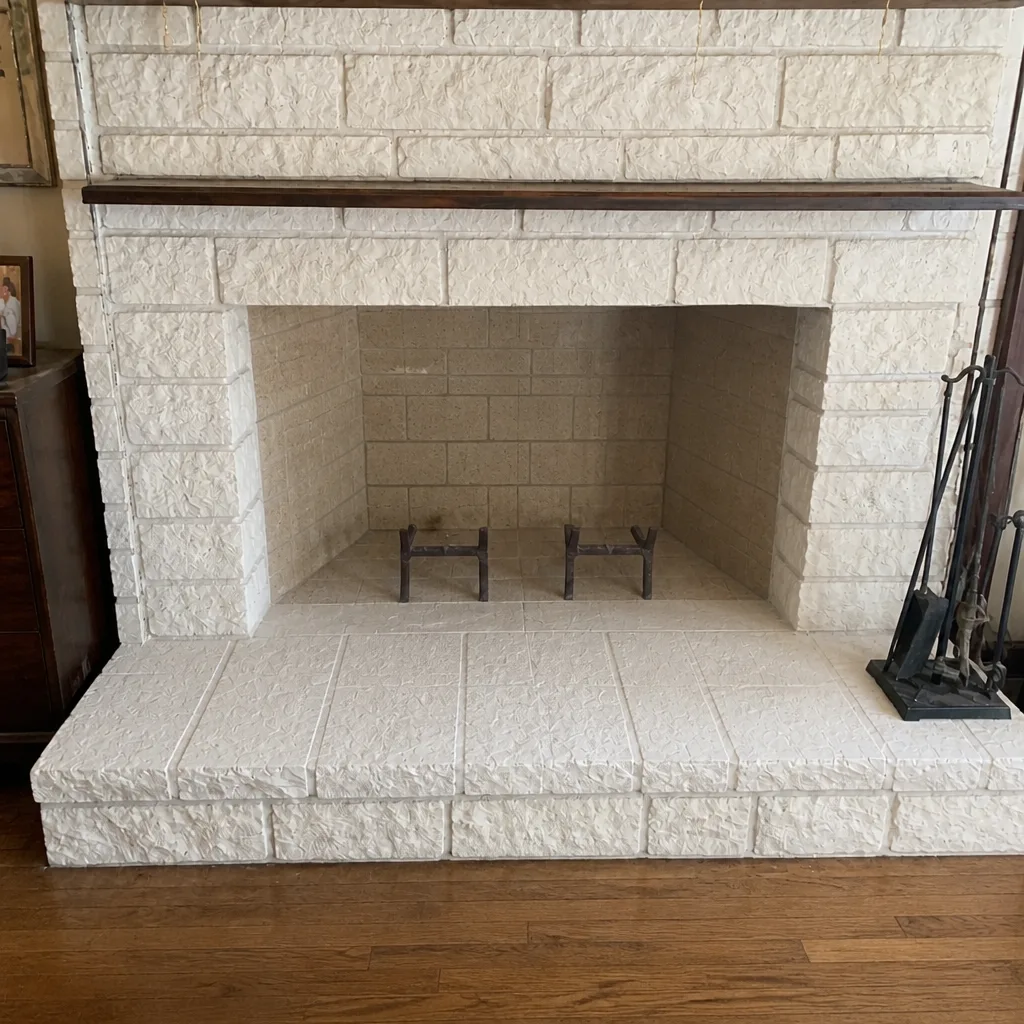
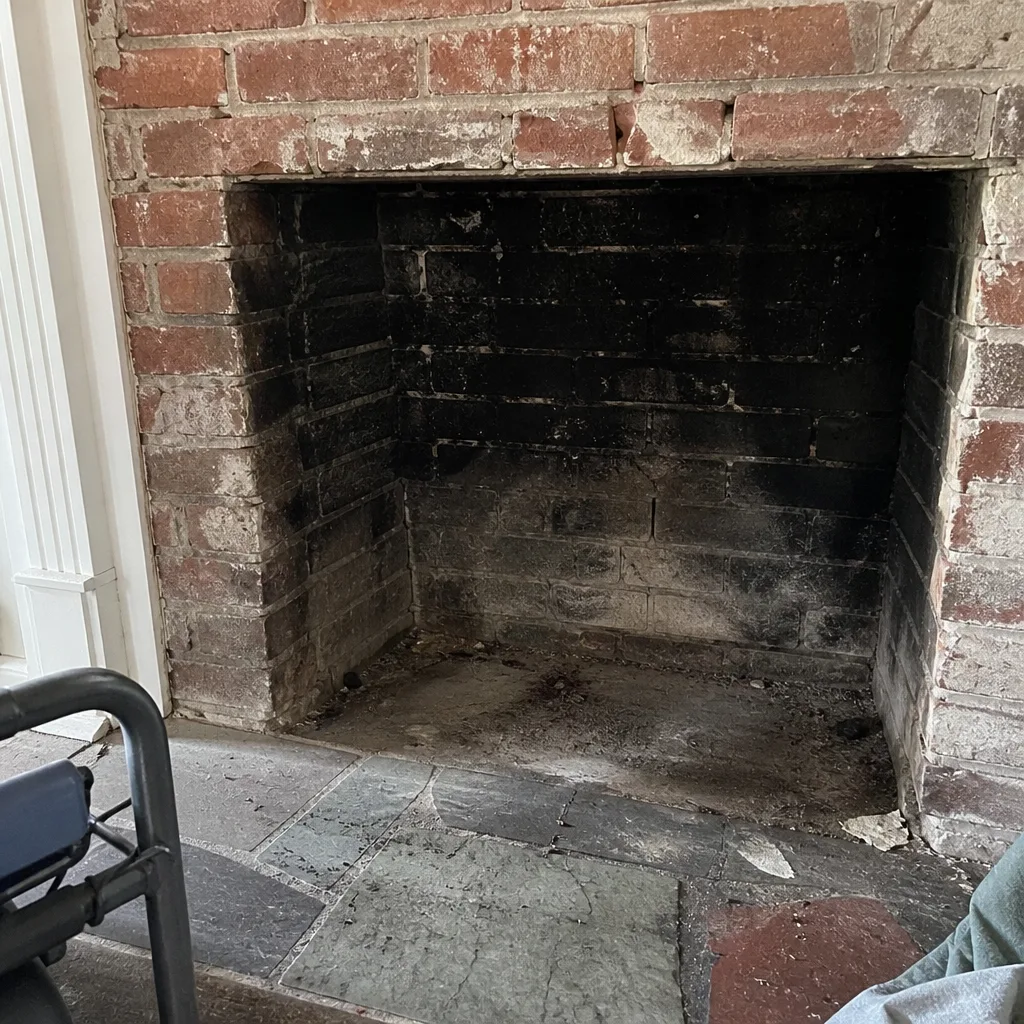
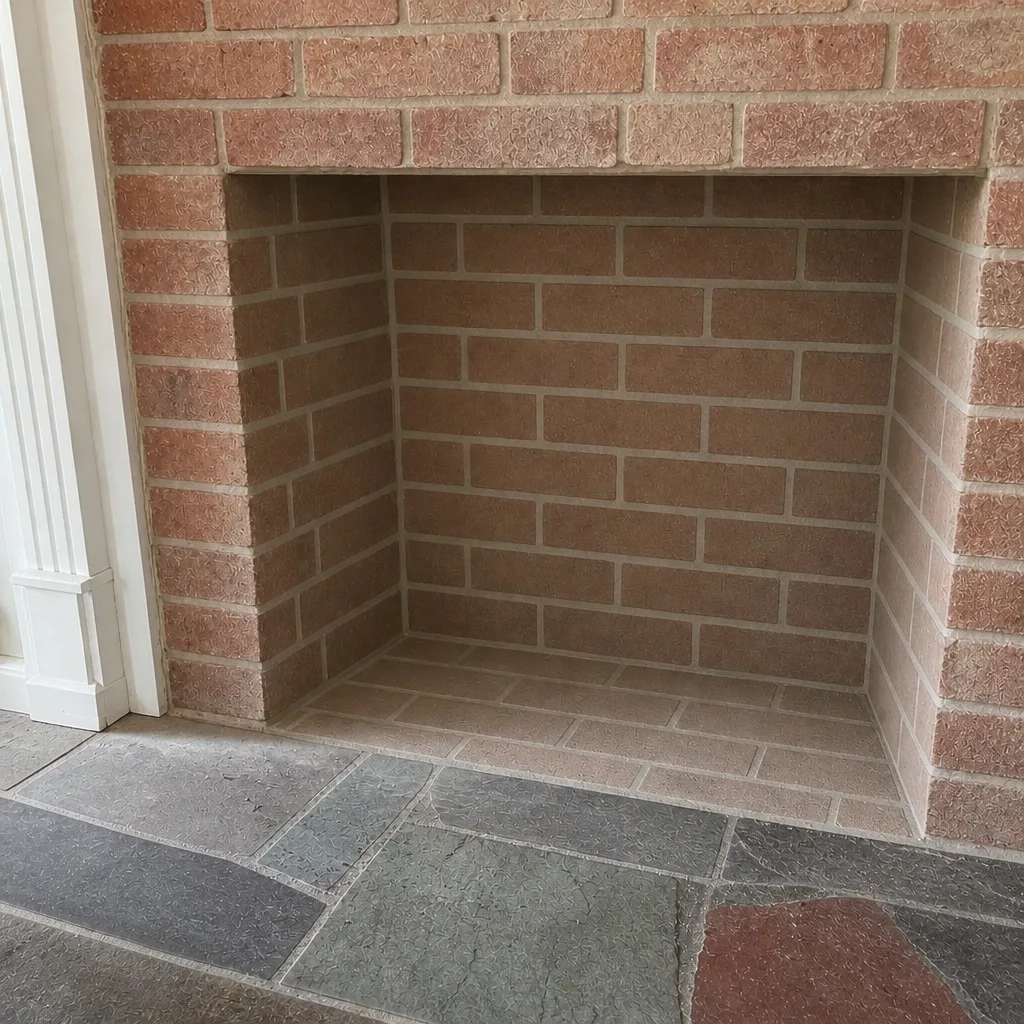
See the difference
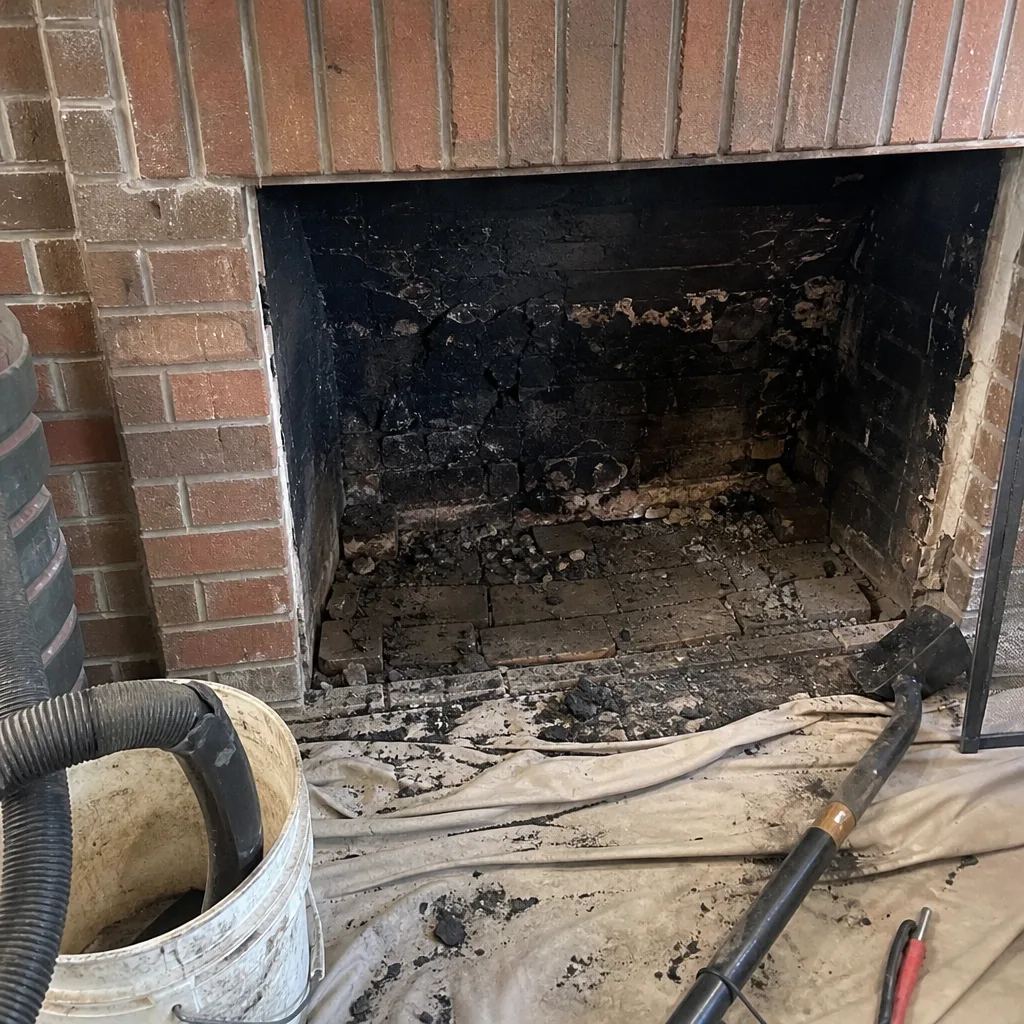 Before
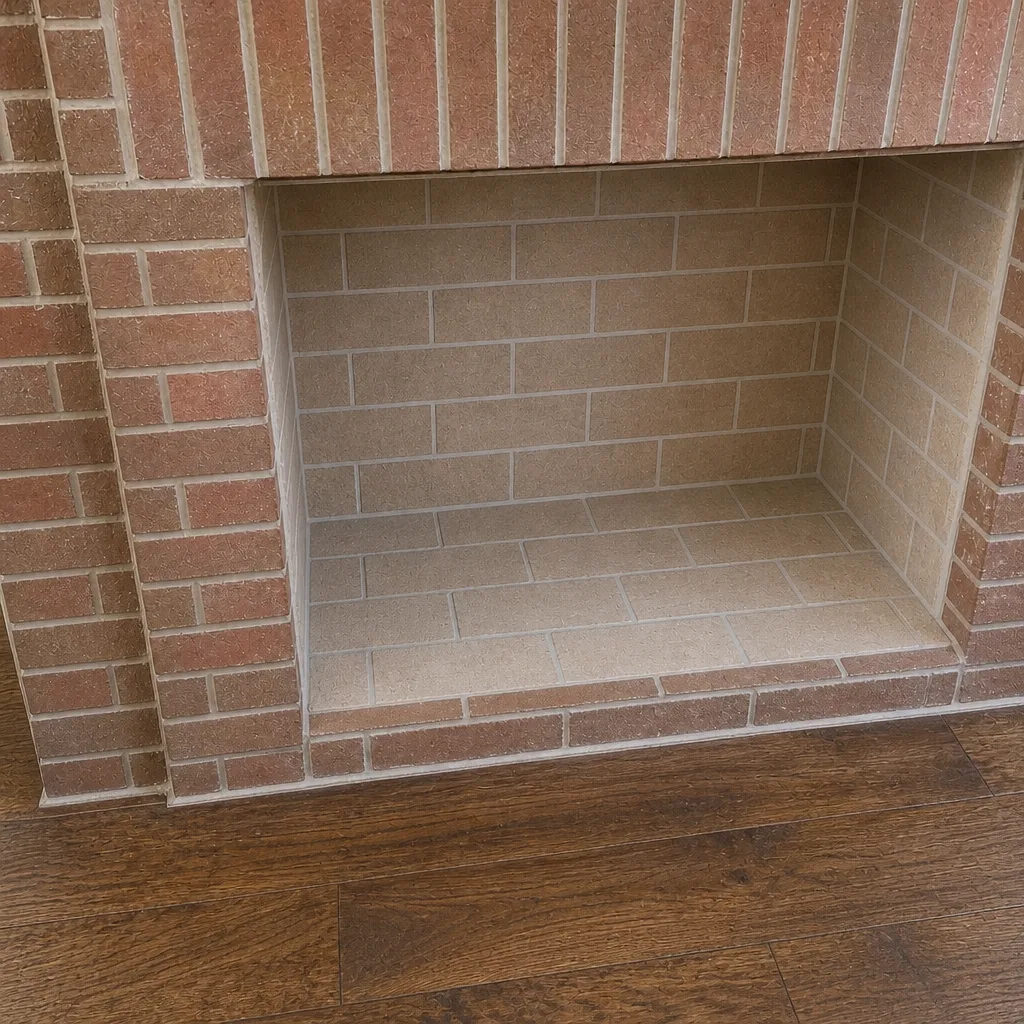 After
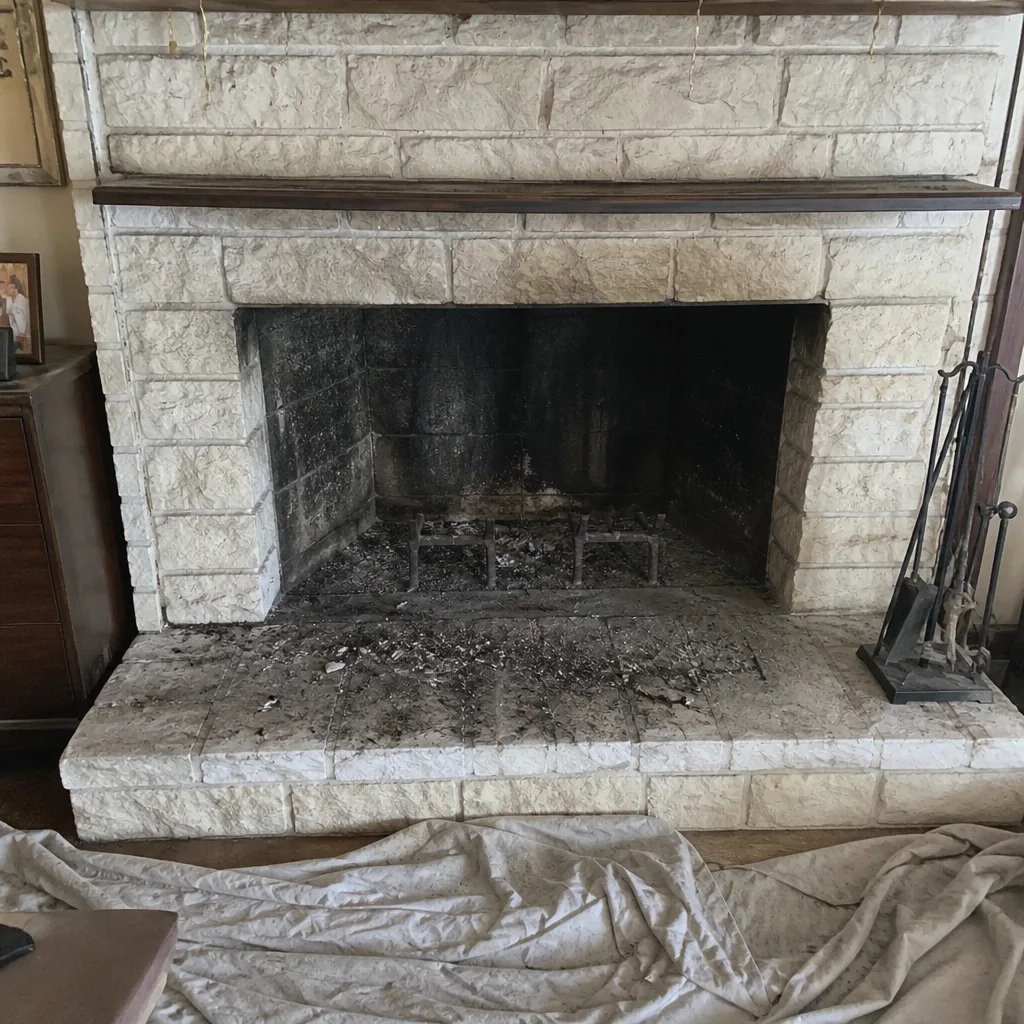 Before
 After
 Before
 After
Common Mistakes to Avoid
- Throwing water on a hot firebox or flue. Water on hot masonry or cast iron causes thermal shock and can crack the very thing you’re trying to protect. Use an extinguisher or sand, and call 911 for a serious fire.
- Assuming a slow fire isn’t a fire. A crackling sound behind the wall is the signature of a chimney fire that has already started. Evacuate first, evaluate second.
- Burning again after a fire without an inspection. Even a small fire can leave a glazed creosote layer or a hairline crack in the liner. The system has to be evaluated before the next fire, and that’s a formal inspection, not a visual glance.
- Ignoring the cap after a storm. A missing cap in a Memorial fall is an invite for rain, birds, and debris. It’s the most common cause of a smoking fireplace on the first cold night.
- Skipping the CO alarm test. A silent CO problem in a house with a fireplace is the one risk with no visible warning. Test the alarms every month.
- Relighting a fire in a flue you haven’t had checked since the last burn season. Creosote buildup happens during use, not during disuse, and most fires we hear about could have been avoided by a pre-season sweep.
- Hiring a generalist for chimney work. A handyman with a brush can remove soot; a chimney specialist can evaluate the liner, the cap, the crown, and the firebox – and tell you which repair actually matters. It’s a different job.
When to Call a Professional
Call a chimney professional after any chimney fire, any carbon monoxide alarm activation connected to a fireplace or stove, any visible cap or crown damage after a storm, and any flue that won’t draw. Also call when you’ve moved into a Memorial home and don’t know the last time the chimney was inspected, when the firebox or hearth has visible cracks or staining, and when you’re planning to switch between wood, gas, and insert appliances. Those are the moments where fireplace repair or a relining decision actually starts with an inspection. Chimney Sweep Memorial offers free estimates in Memorial – call (833) 509-5352. We answer 24/7. Fast dispatch from 7am to 7pm, Sunday through Friday.
Frequently Asked Questions
Get everyone out of the house and call 911 if there are flames, smoke in the living space, or a roaring sound. From outside or a safe distance inside, close the firebox glass doors and keep the flue damper open. Never throw water on a hot firebox. Call (833) 509-5352 for an exact quote on the follow-up inspection – estimates are free.
A serious chimney fire usually leaves visible signs: a roaring sound, flames or sparks at the top, creosote flakes on the roof, or warped components at the cap. Slow fires may leave no obvious signs and still damage the liner. The only reliable test is a formal inspection – not a guess from the hearth.
Yes, through a blocked flue, a cracked or missing liner, a reverse draft, or a wood stove or gas insert with the wrong venting. A working CO alarm on every level is the first protection. A formal inspection is the second. If your alarm has ever gone off near a fireplace, treat it as a chimney system problem until an inspection says otherwise.
Yes. A cap can loosen without coming off, a crown can crack out of sight, and a limb can land on top of the cap screen where you can’t see it from the ground. Wind-driven rain also soaks masonry that looks fine from the yard. A post-storm inspection before the first fire of the season is the right call.
Once a year for a home with an active fireplace, and after any chimney fire, storm event, or sudden change in how the fireplace behaves. A home used heavily through the cool months may need a sweep more than once a year. A home used lightly still needs the annual inspection – the inspection is what tells you whether a sweep is actually needed.
A follow-up inspection is what you’re paying for after any fire, and that price is set by the written estimate before work starts. The free estimate covers the recommended scope of work. If a relining with DuraFlex or a masonry liner resurfacing with HeatShield is needed, the estimate explains why and shows you the condition it’s addressing. Call (833) 509-5352 for an exact quote – estimates are free.
The Bottom Line
The chimney emergencies that cause the most damage in Memorial homes are the ones that were misunderstood, not the ones that were unstoppable. A slow chimney fire, a blocked flue, or a cap missing after a storm all give you warning signals – but only if you know what to watch and listen for. The preparation that makes the difference is simple: a CO alarm that works, an annual inspection before the burning season, a cap that stays where it was installed, and a written sequence of first steps you and your family have actually read. Every one of those is low-cost. Together they’re the difference between a story that ends with a call and a story that doesn’t. When the inspection comes up, our technicians have up to 13 years of experience, use professional-grade materials from HeatShield, Gelco, Olympia Chimney, and Famco, and treat inspection as its own service rather than a glance during a cleaning. Call (833) 509-5352 for a free estimate. We answer 24/7. Fast dispatch from 7am to 7pm, Sunday through Friday.
Written by the team at Chimney Sweep Memorial.