
Last updated November 24, 2026
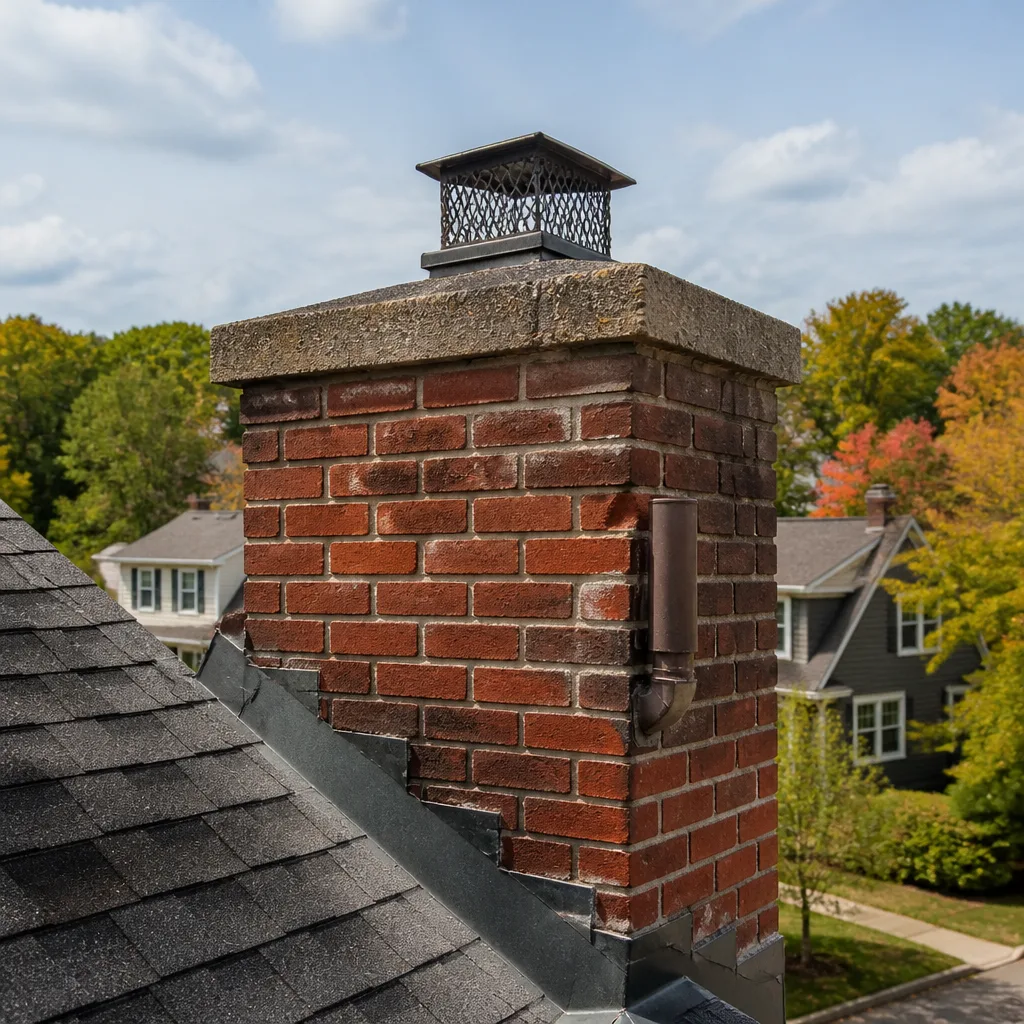 Sweep & inspection
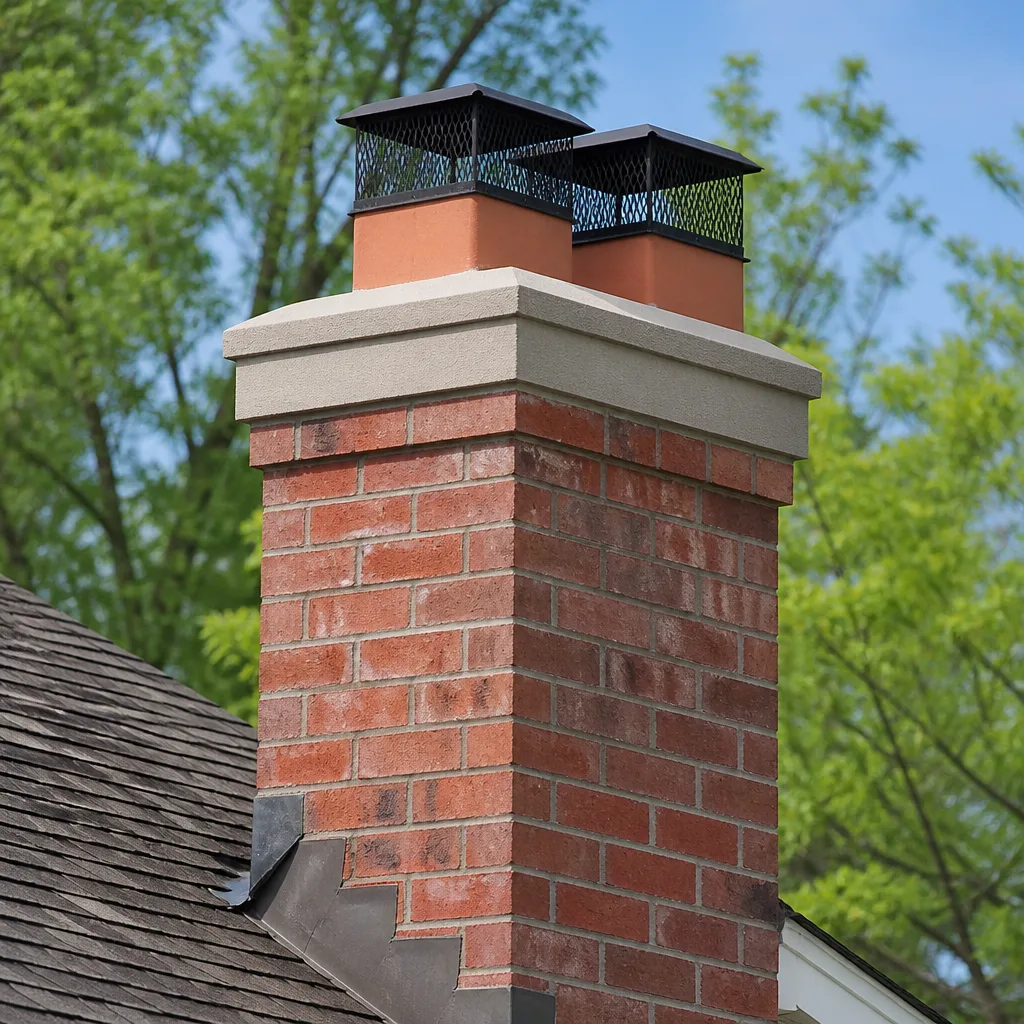 Caps & crowns
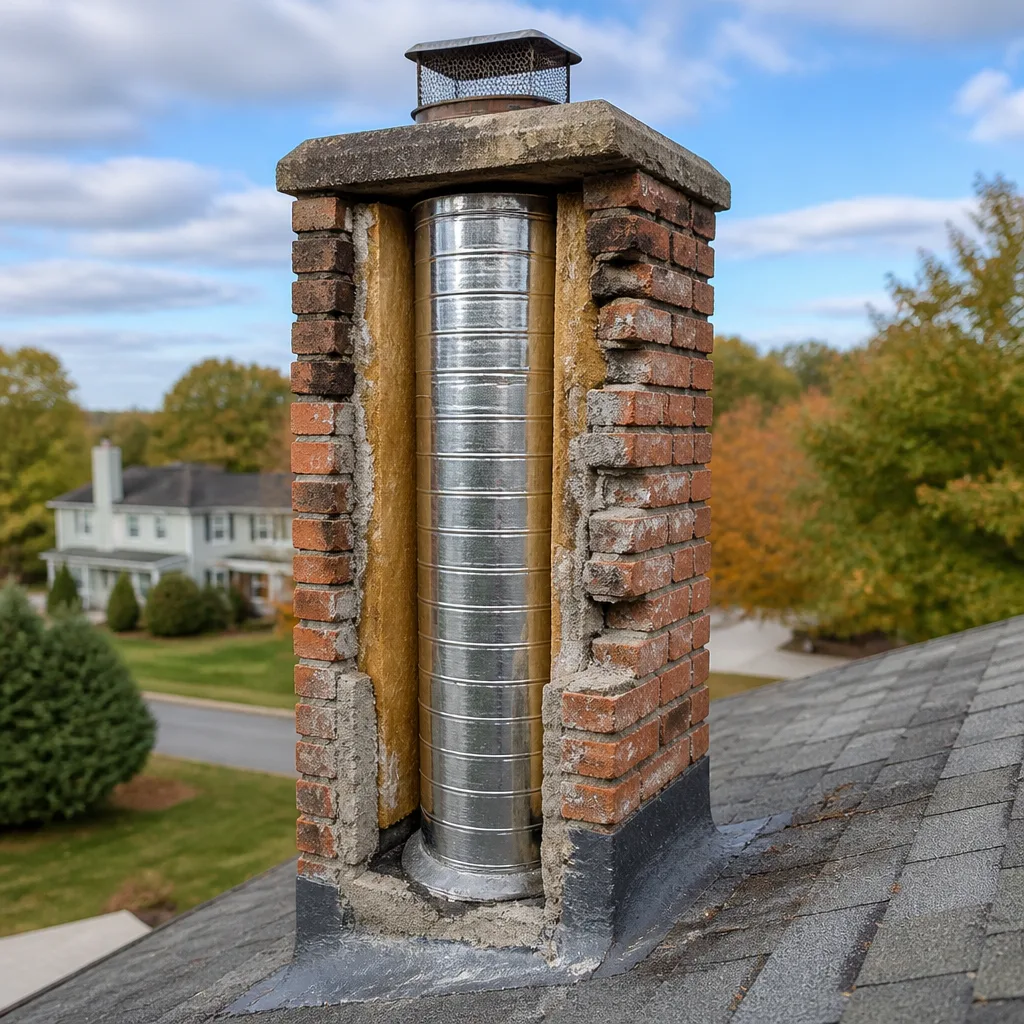 Flue relining
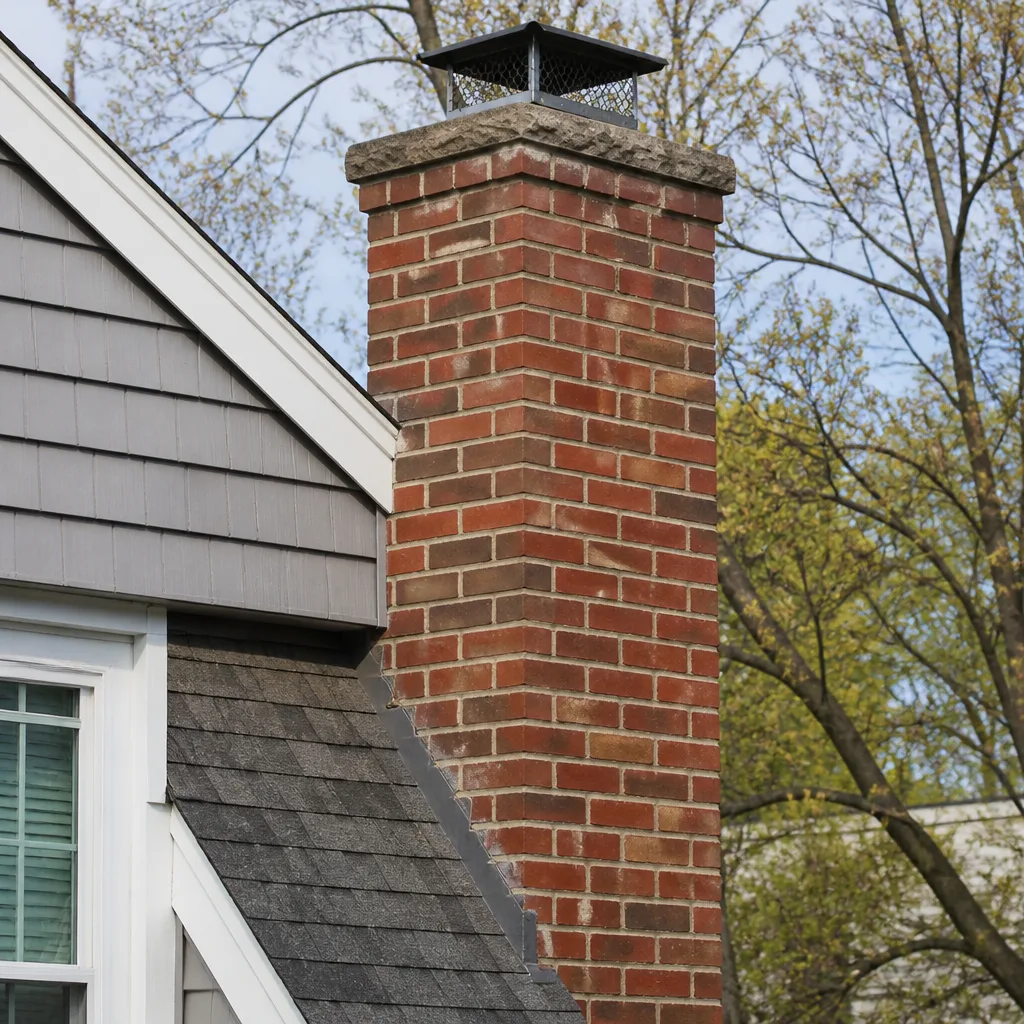 Masonry repair
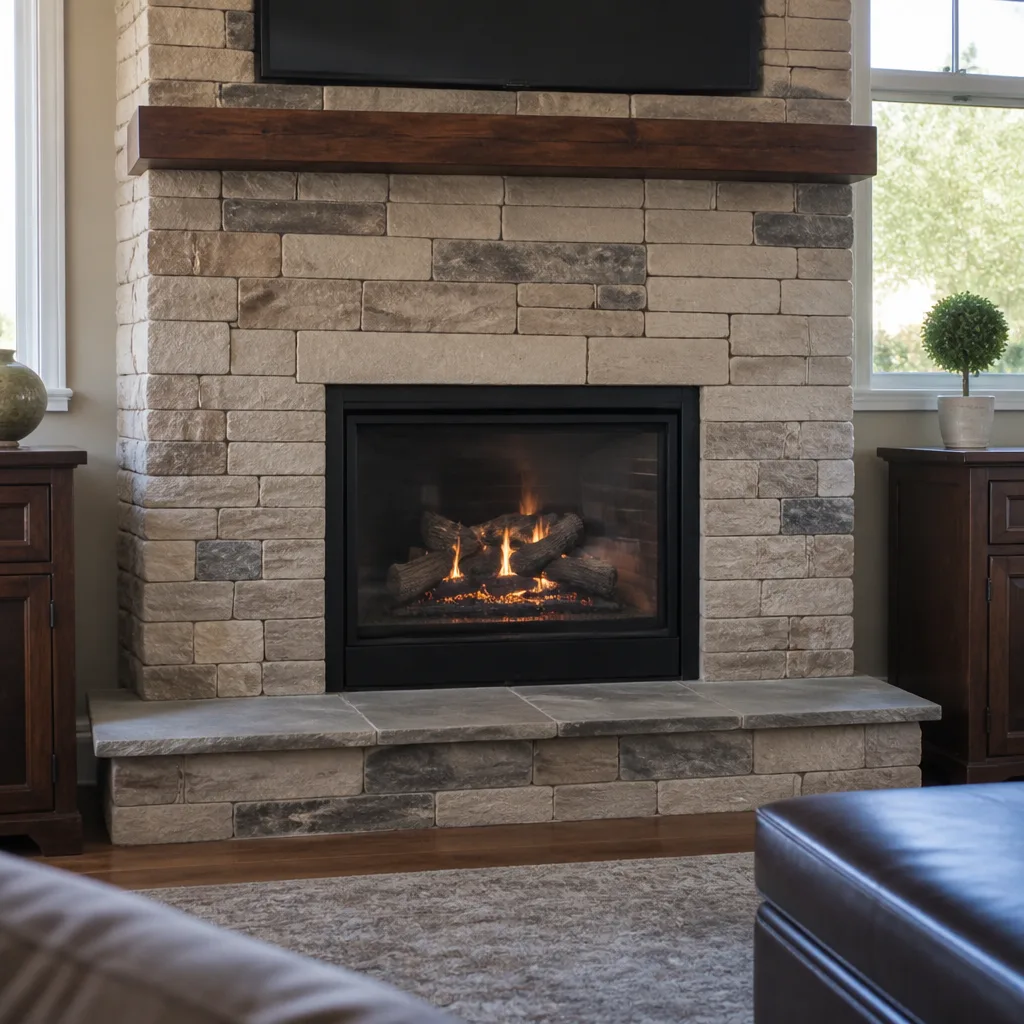 Gas fireplace service
Level 1 sweep and inspection to the NFPA 211 annual standard - flue, crown, cap, and flashing checked and photographed
Chimney sweep logs do not sweep chimneys. They loosen some creosote - which then falls where a brush and vacuum still have to collect it.
Choosing the Right Chimney Cleaning Brand: A Buyer’s Guide for Memorial
When a chimney contractor recommends a sealant, a liner system, or a creosote treatment, they’re making a materials specification. Most homeowners in Memorial have no way to evaluate whether that specification is correct for their flue type, their fuel, or their climate. The word “brand” in chimney work doesn’t mean the name on the yard sign or the franchise logo on the invoice. It means the products going into your chimney: the alloy grade of a stainess liner, the chemistry of a creosote modifier, the coating on a crown. This guide shows you how to read those specifications, ask the questions that separate a real recommendation from a stock-room sales pitch, and decide with confidence. We’re Chimney Sweep Memorial, a chimney-only specialist, and this is the buyer’s guide we’d want in your hands before anyone quotes you work.
Quick Answer
The right chimney “brand” is less about a company name and more about whether the materials specified match your flue type and fuel. A professional-grade liner, a correctly matched sealant, and a treatment used for its actual chemistry beat any retail product or generalist recommendation. Ask for the alloy grade, the product’s intended application, and the inspection evidence behind the recommendation before you agree to anything.
Styles & brands we work with
- Sweep & inspection
- Caps & crowns
- Flue relining
- Masonry repair
- Gas fireplace service
Table of Contents
- Why the Products, Not the Name, Are the Brand
- Crown Coatings, Masonry Waterproofers, and Flue Products: What Each Actually Does
- How to Evaluate a Stainless Steel Liner Recommendation
- What Creosote Modifiers Actually Do (and Don’t Do)
- The Chimney Cap Market and Memorial’s Humidity
- Stocked vs. Specified: How to Tell the Difference
- The Questions That Surface a Real Specification
- Why Inspection Comes Before Any Specification
Why the Products, Not the Name, Are the Brand
In most trades, the brand question is about reputation and marketing. In chimney work, it’s about materials. When a company recommends a chimney cap, a crown coating, or a liner, they’re making a technical decision that will sit on your house for years. That decision matters more than the logo on the truck.
The national names you might recognize often come from retail shelves or distribution channels built for volume, not for the specific conditions of your flue. Professional-grade materials are different. They’re specified by trained technicians because they’re built for the job: correct alloy grades, tested coatings, documented applications. The brands a specialist works with reflect that trade depth.
Chimney Sweep Memorial works with six recognized professional-grade chimney brands: DuraFlex, HeatShield, Gelco, Olympia Chimney, Famco, and Copperfield. These are the same materials certified specialists specify, not products pulled from a big-box aisle. Our technicians have up to 13 years of experience, and that experience is mostly about knowing which material answers which problem in a Memorial home.
Here’s the practical shift. Stop asking “which brand is best?” and start asking:
- What specific product is being specified, and what is it made of?
- What flue type and fuel is it rated for?
- What problem in my chimney does it actually solve?
- Is this a repair, a resurfacing, or a replacement, and why that one?
The answers tell you whether you’re talking to a specialist or a generalist with a brush and a catalog. It’s also why you’ll see our Chimney Sweep Memorial specialists lean on inspection evidence before naming a single product. No specification without a measurement.
Crown Coatings, Masonry Waterproofers, and Flue Products: What Each Actually Does
Sealants are the most confused category in chimney sales. A contractor says “we’ll seal it” and you picture one product. In practice, three very different materials get called sealants, and they do three very different jobs.
Crown coatings. These are elastomeric products that go on the concrete crown at the top of the chimney. The crown is the slab that sheds water away from the flue. It cracks as it ages, and an elastomeric coating flexes with the concrete instead of cracking again. This product belongs on the crown, not inside the flue.
Masonry waterproofers. These go on the exterior brick and mortar above the roofline. They’re vapor-permeable coatings that repel rain while letting masonry dry. Applied to the wrong surface, they trap moisture and make spalling worse. They’re not flue products.
Flue-specific products. These are formulated for the interior of the chimney: HeatShield is the recognized example for resurfacing a deteriorated masonry flue liner. It’s a specialized material applied to restore a smooth, sealed flue surface. It is not sold at retail and not available through generalist contractors.
Knowing which category a recommendation falls into tells you a lot. If someone says “sealant” without naming the surface, ask them which surface they mean. Crown, exterior masonry, and flue interior take three different products, and the wrong one creates a problem rather than fixing it.
How to Evaluate a Stainless Steel Liner Recommendation
A liner recommendation is the highest-consequence specification in chimney work. A liner is a stainless steel tube that runs the length of the flue and carries combustion gases out of the house. Getting the alloy wrong shortens the liner’s life and may void its rated use. Here’s how to read the spec.
Gauge. This is the thickness of the steel. Thinner liners cost less and flex more easily around offsets, but they corrode and deform faster. A specialist will tell you the gauge in numbers, not adjectives like “heavy duty.”
Alloy grade. Two grades dominate: 304 and 316L. 304 stainless is the standard choice for wood-burning appliances. 316L adds molybdenum for corrosion resistance and is the correct specification when combustion products are more aggressive. This matters in Memorial because of the gas-burning applications common in the area. Gas appliances produce different condensate chemistry than wood, and 316L is the alloy grade a specialist specifies when the fuel or environment calls for more resistance. If a contractor quotes you a liner without naming the alloy, ask.
System fit. DuraFlex liner systems are one of the professional lines a specialist uses because the product family covers the connection, insulation, and termination correctly. A liner is a system, not a piece of tube.
Why it’s being recommended. A liner isn’t installed because the old one is old. It’s installed because the inspection found a specific failure: a cracked clay tile, gaps in joints, a flue that’s the wrong size for the appliance. If nobody can point to the crack on camera, keep asking.
When a liner is genuinely the answer, it’s a complex, high-consequence job, and it’s one reason a relationship with a dedicated specialist makes sense. See how this connects to a full chimney sweep evaluation before any relining decision.
What Creosote Modifiers Actually Do (and Don’t Do)
Creosote modifiers like ACS (Anti-Creo-Soot) get sold with a lot of implied capability. Here’s the honest chemistry. These products are catalytic treatments. Their job is to help convert creosote deposits and the soot in the flue into a less combustible form as they burn. They work on the deposit that’s already there and on the deposits forming.
What they don’t do is remove a heavy deposit. A professional sweeping removes the physical buildup. A modifier changes the chemistry of what’s left on the flue wall. Confuse the two, and you get a homeowner who thinks a bottle in the firebox replaces a sweep.
Ask these questions when a treatment is recommended:
- What stage of creosote is present, and where was that measured?
- Is this a treatment alongside a sweep, or standing in for one?
- What fuel is this product rated for, and how is it applied?
- What’s the success measure, and how will a follow-up check confirm it?
If a contractor can’t explain the chemistry of a product, that’s worth noting. Chimney Sweep Memorial’s technicians have up to 13 years of experience evaluating exactly this. Gelco and the other professional chemical treatments are specified for a reason, not sprinkled as a habit. A modifier is a useful tool in a Memorial wood-burning home; it’s just not a substitute for proper cleaning, and the honest specialist says so.
The Chimney Cap Market and Memorial’s Humidity
A chimney cap is the lid on top of the flue. It keeps rain, animals, and debris out. The cap market is crowded, and most of it is built for the cheapest possible production. In Memorial’s humid climate, that cheapness shows up as premature failure.
The common failing material is galvanized steel. It’s inexpensive, and it’s also the material that rusts through first in a wet, humid environment. A galvanized cap can look fine when installed and be a flaking mess in a few years. That’s not bad luck. It’s the wrong specification for the humidity.
What to require instead:
- Stainless steel construction for the body and the mesh. It holds up to humidity where galvanized does not.
- A correct fit to the flue opening, not a universal clamp-on that leaves gaps.
- Mesh sized for your locality. A mesh that blocks birds but allows airflow.
- A cap and crown that work together. The crown sheds water; the cap covers the flue. One without the other leaves a gap.
Olympia Chimney makes professional cap products for exactly this reason, and a specialist specifying one is specifying a material that lasts. When a chimney cap & crown job is done together, the top of the chimney stops being the weak point. In a humid Memorial, that intersection is where trouble starts.
Stocked vs. Specified: How to Tell the Difference
Here’s the core question behind every product recommendation: is this being specified because it’s correct for my flue, or because it’s what the contractor stocks? Both can happen, and the difference matters.
Stocked products are the ones a company has a case of in the back. Specified products are the ones chosen for your specific flue type, fuel, and condition. When a generalist recommends “our standard liner,” that’s a stock answer. When a specialist recommends a 316L liner because you have a gas appliance and the flue needs the added resistance, that’s a specification.
Famco and the other professional lines exist for specifications. A single manufacturer’s catalog can cover a carload of jobs, but a chimney-only specialist carries a range because different jobs need different materials. DuraFlex for liner systems, HeatShield for masonry resurfacing, Gelco for chemical treatments, Olympia Chimney for caps and components. The range is the tell.
How to test it in the conversation:
- Ask what other products the company would specify for this exact job and why they chose this one.
- Ask what happens if the specified product isn’t available.
- Ask whether the product is applied by the same technician who inspected.
- Ask what the manufacturer’s installation requirement is for the product being quoted.
A specialist answers these without irritation. A stock-based salesperson gets defensive. The questions are the test.
The Questions That Surface a Real Specification
This is the practical checklist. Bring it to the estimate. You don’t need to know the trade. You need to hear answers that hang together.
Ask about the inspection first:
- Will you provide a camera inspection of the flue?
- Will I see the photo or video of what you found?
- What stage of creosote is present, and where?
- Is the flue liner cracked, and where exactly?
Ask about the materials:
- What is the product called, and who makes it?
- What is it rated for, and what’s it made of?
- Why this specification for my flue type and fuel?
- Could this job safely wait, or is it urgent?
Ask about the company:
- Is the work done by a chimney specialist or subcontractors?
- What’s included in the written estimate, and what isn’t?
You’ll notice none of these ask “is your brand the best?” That question gets a sales answer. These get a technical one. The specialist will tell you when a recommendation can wait, and we’d say so too. If a chimney repair isn’t urgent, saying so is the honest answer, not a lost sale.
Why Inspection Comes Before Any Specification
Every section above comes back to one discipline: inspect before you repair. Without an inspection, there’s no way to know whether a crown coating, a liner, or a flue resurfacing is the right answer. The inspection is the measurement that makes the specification credible.
Chimney Sweep Memorial treats inspection as a standalone service, not a glance during a cleaning. That means a documented condition assessment you can take to a second opinion, hand to your insurer, or keep for the next owner. It means you see the camera evidence yourself.
What a good inspection covers:
- The firebox, damper, and smoke chamber.
- The full length of the flue, viewed on camera.
- The crown, cap, and exterior masonry above the roofline.
- The appliance connection, if any.
From that evidence, a specialist can tell you what can wait, what can’t, and what each option actually costs in materials. That’s the difference between a quote and a specification. For the repair side, see how a fireplace repair decision is made the same way: evidence first, product second.
Common Mistakes to Avoid
- Accepting the word “sealant” without knowing the surface. Crown, masonry exterior, and flue interior take three different products. Ask which surface the product is for.
- Choosing a liner on price alone. The gauge and alloy grade determine how long the liner lasts. A cheaper lower-grade alloy can cost more over time.
- Believing a creosote modifier replaces a sweep. These treatments change chemistry; they don’t remove heavy deposits. A sweep is still the sweep.
- Installing a galvanized cap in Memorial’s humidity. It’s the material that fails first. Stainless is the correct specification for a humid climate.
- Skipping the camera inspection. Without it, no product recommendation can be verified. Ask to see the footage.
- Hiring a generalist because the quote is lower. Chimney work is one narrow trade. A general contractor may not know which alloy or which flue product fits your home.
- Assuming a recommendation must be done now. A specialist will tell you when work can wait. If they won’t, get a second opinion.
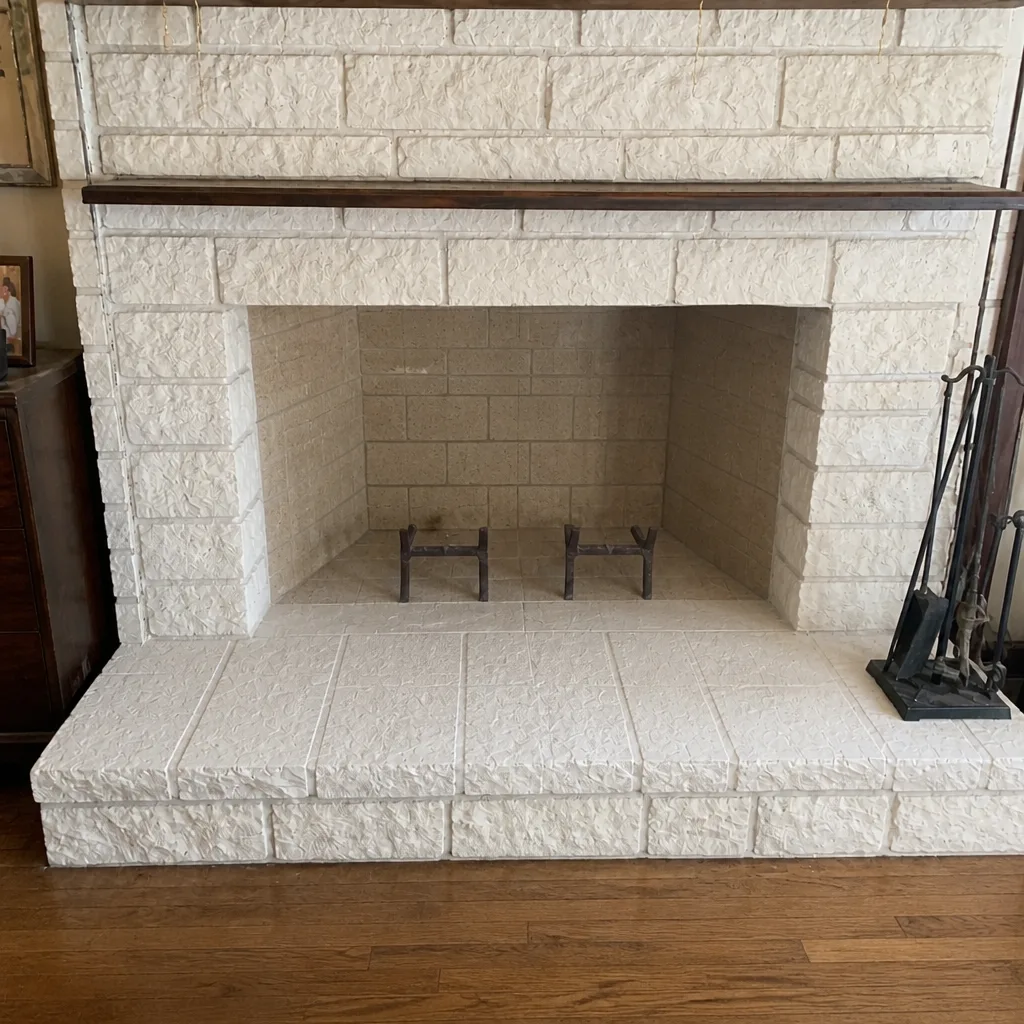
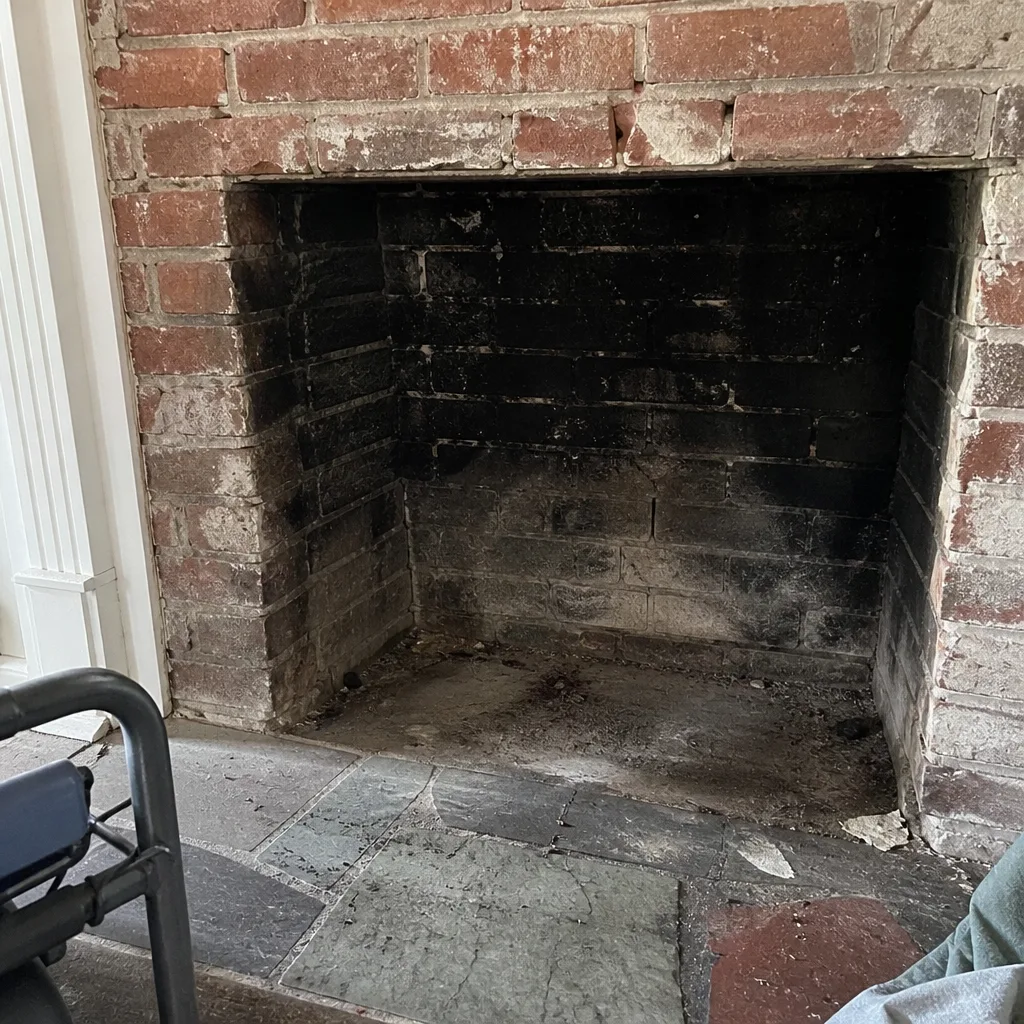
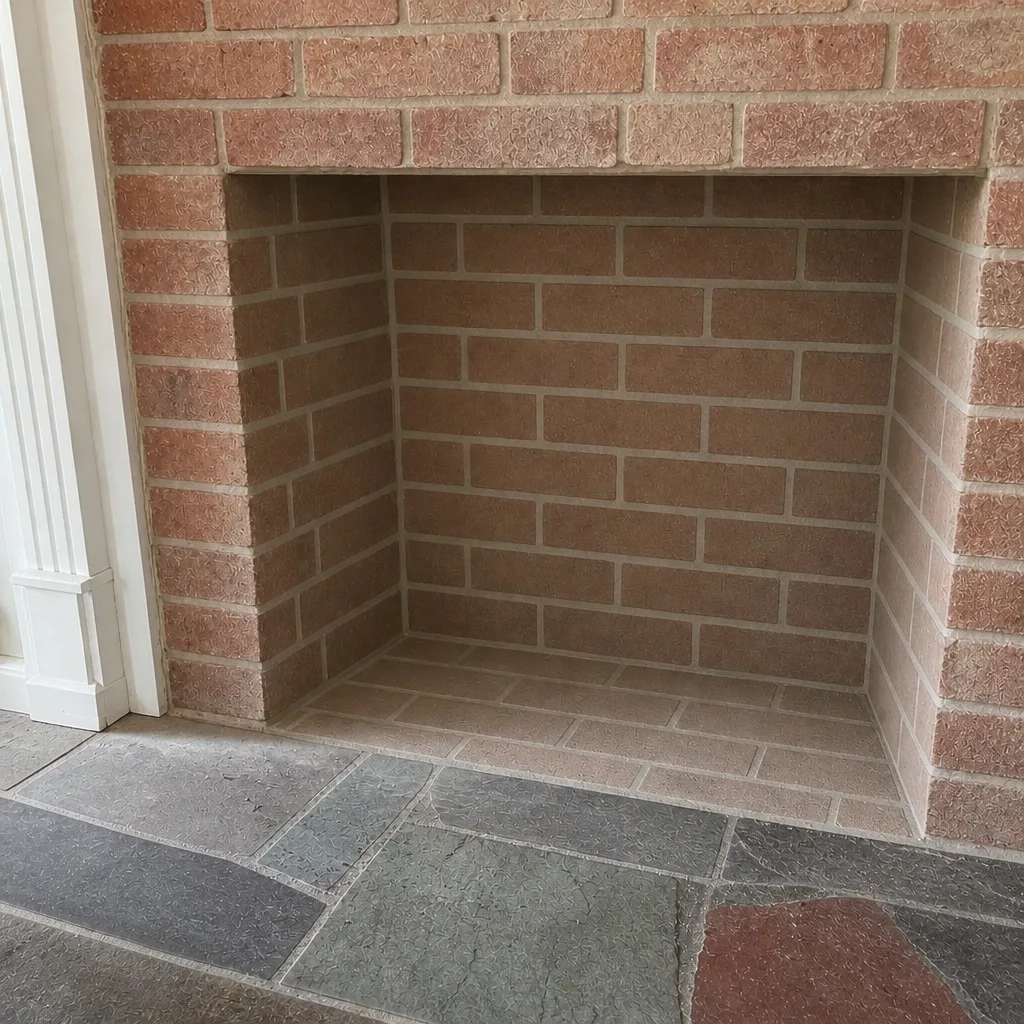
See the difference
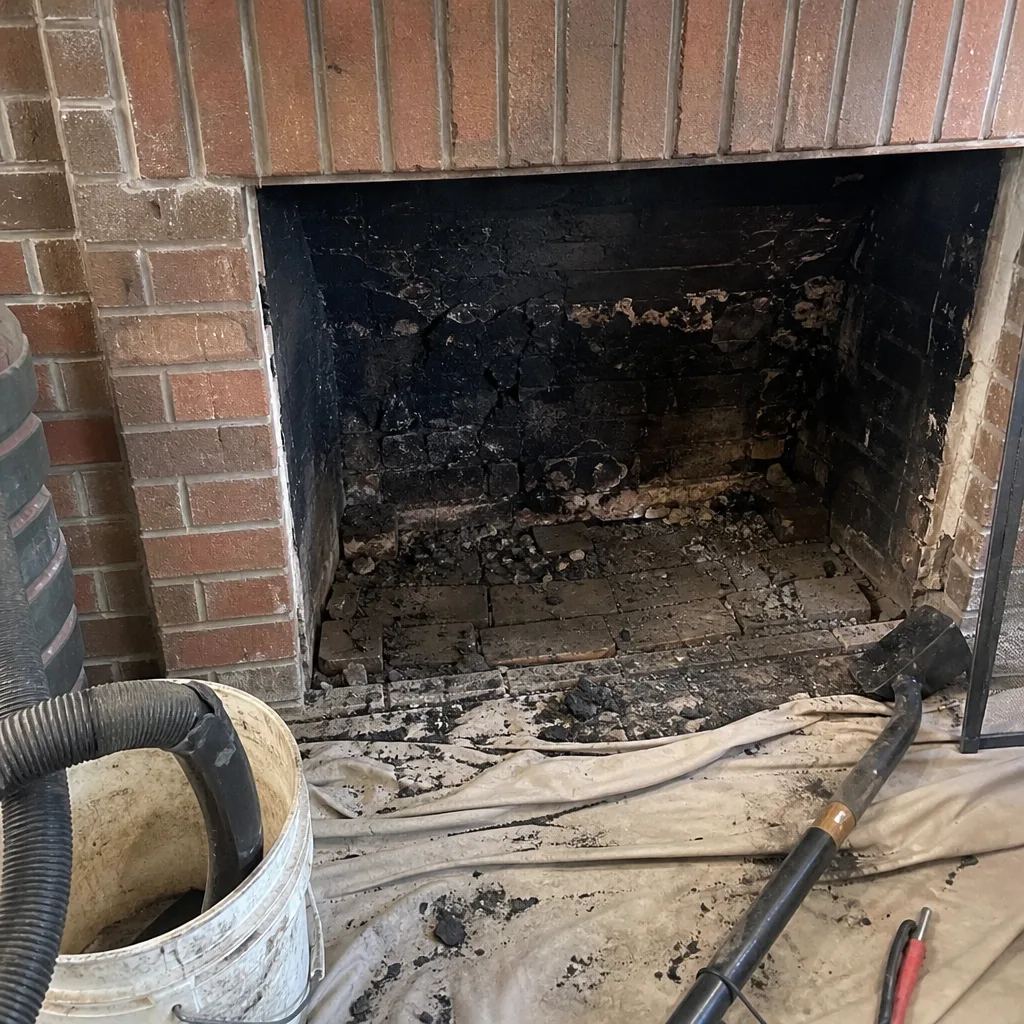 Before
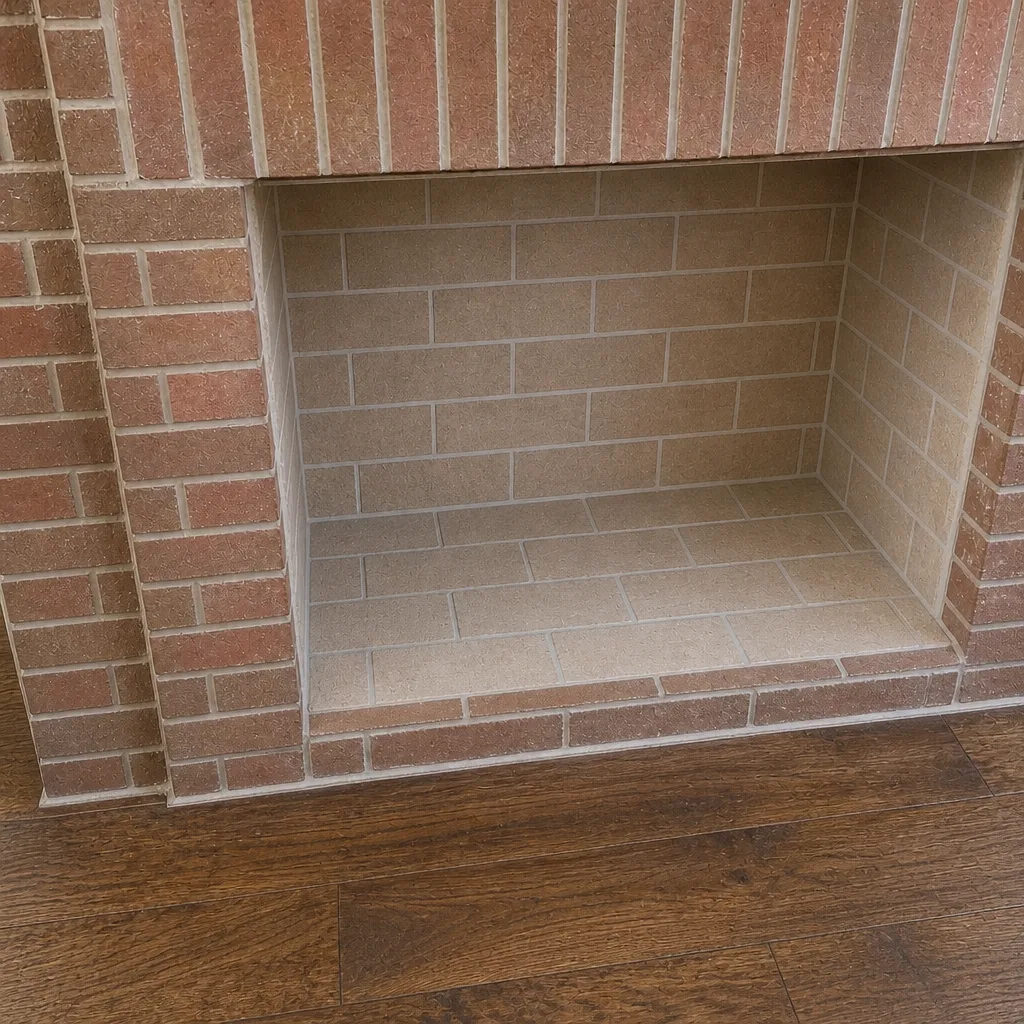 After
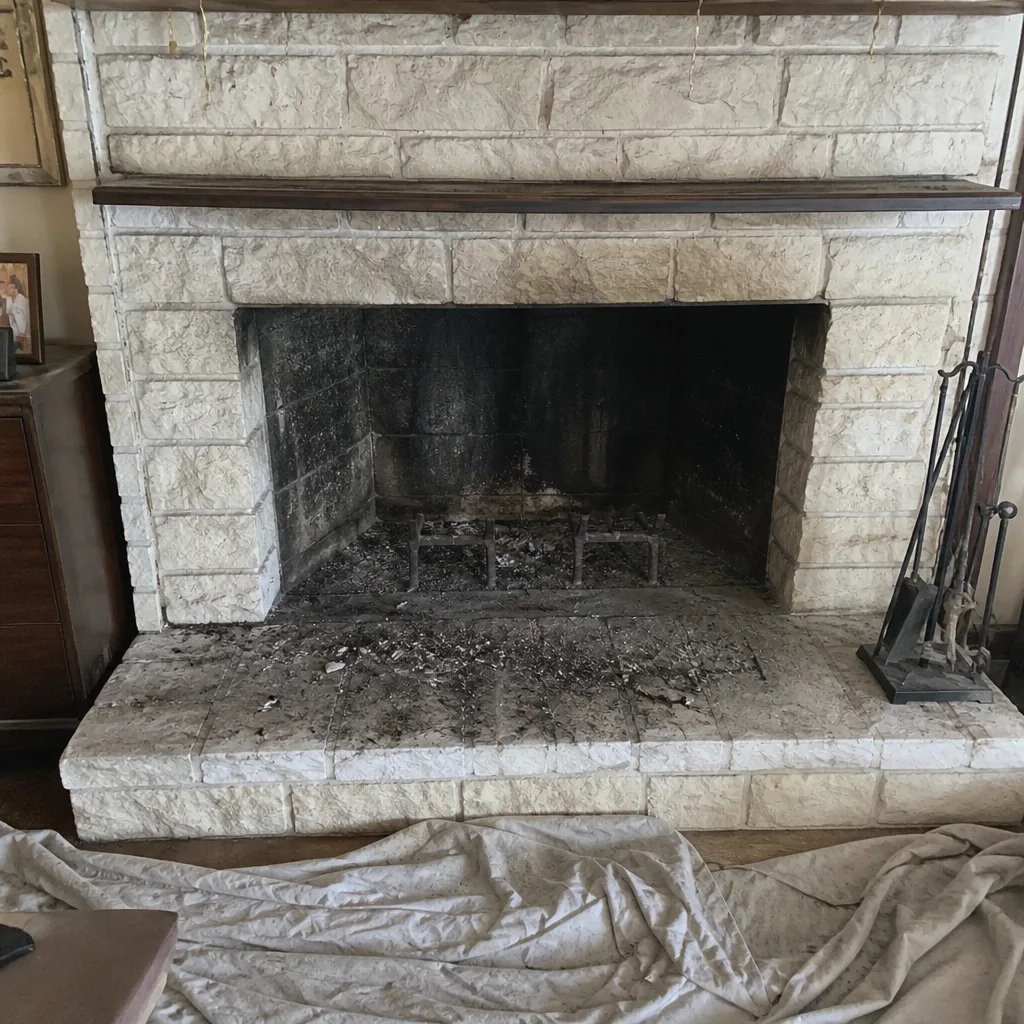 Before
 After
 Before
 After
When to Call a Professional
Some things you can assess with a flashlight. Many things you can’t, and a few are genuinely dangerous. Creosote buildup is the classic fire risk in a wood-burning chimney. Carbon monoxide is the invisible risk, especially with gas appliances and blocked or damaged flues. Neither shows up on a visual check from the floor of the firebox. If you’re seeing cracked tiles, a failing crown, rust on the cap, staining on the masonry, or a smell in the house, that’s a call to a specialist. If you can’t remember the last sweep, that’s a call too. Chimney Sweep Memorial offers free estimates in Memorial. Call (833) 509-5352. We answer 24/7. Fast dispatch from 7am to 7pm, Sunday through Friday.
Frequently Asked Questions
Professional-grade means the product is specified and installed by a trained specialist for a documented flue condition, not sold off a retail shelf for a generic job. It has a rated application, named materials, and an installation requirement. HeatShield is a clear example: a flue-specific resurfacing material that isn’t available in retail channels. Ask any contractor whether the product they’re quoting has a rated application for your fuel type.
A liner is needed only when the inspection shows a specific failure: cracked clay tiles, gaps at joints, or a flue sized wrong for the appliance. If the technician can point to the failure on camera, it’s a real specification. If you can’t see the evidence, don’t agree to the work yet. We’d want to see it too. Call (833) 509-5352 if you’d like an inspection with the evidence in hand.
Because different fuels produce different combustion chemistry, and 316L offers more corrosion resistance than 304 when the application calls for it. Gas-burning appliances are common in Memorial, and the correct alloy grade matters for how long the liner lasts. A specialist specifies the grade; a stock answer quotes “stainless” without naming it. Ask for the number.
Three products, three surfaces. Crown coating is an elastomeric material for the concrete slab at the top. Masonry waterproofer is a vapor-permeable coating for exterior brick above the roofline. Flue-specific products like HeatShield resurface the inside of a masonry flue. Applying one to the wrong surface creates problems instead of solving them.
No. A modifier is a catalytic treatment that changes the chemistry of creosote deposits; it doesn’t remove physical buildup. A sweep removes the buildup. The two together are useful in a wood-burning home, and the honest specialist says so. A treatment standing in for a sweep is the wrong use of a good product.
Ask what other products they’d specify for the same job and why they chose this one, and ask what the manufacturer’s installation requirement is. A specialist answers plainly and can name the range of materials they work with. A stock-based salesperson gets evasive. The difference is the conversation, not the invoice.
The Bottom Line
The “brand” question in chimney cleaning is really a materials question. The right specification depends on your flue type, your fuel, and your climate, not on a franchise name or a shelf label. Know the three sealant surfaces. Ask for the liner’s gauge and alloy grade. Understand what a creosote modifier does and doesn’t do. Specify stainless for a cap in Memorial’s humidity. Then ask the questions that surface whether a recommendation is specified or just stocked. A real specialist shows you the camera evidence, names the product, and tells you when work can wait. Chimney Sweep Memorial is a chimney-only specialist: sweeping, cap and crown, fireplace repair, chimney repair, and inspection, all under one company, with professional-grade materials. Call (833) 509-5352 for a free estimate. We answer 24/7. Fast dispatch from 7am to 7pm, Sunday through Friday.
Written by the team at Chimney Sweep Memorial.