
Last updated November 24, 2026
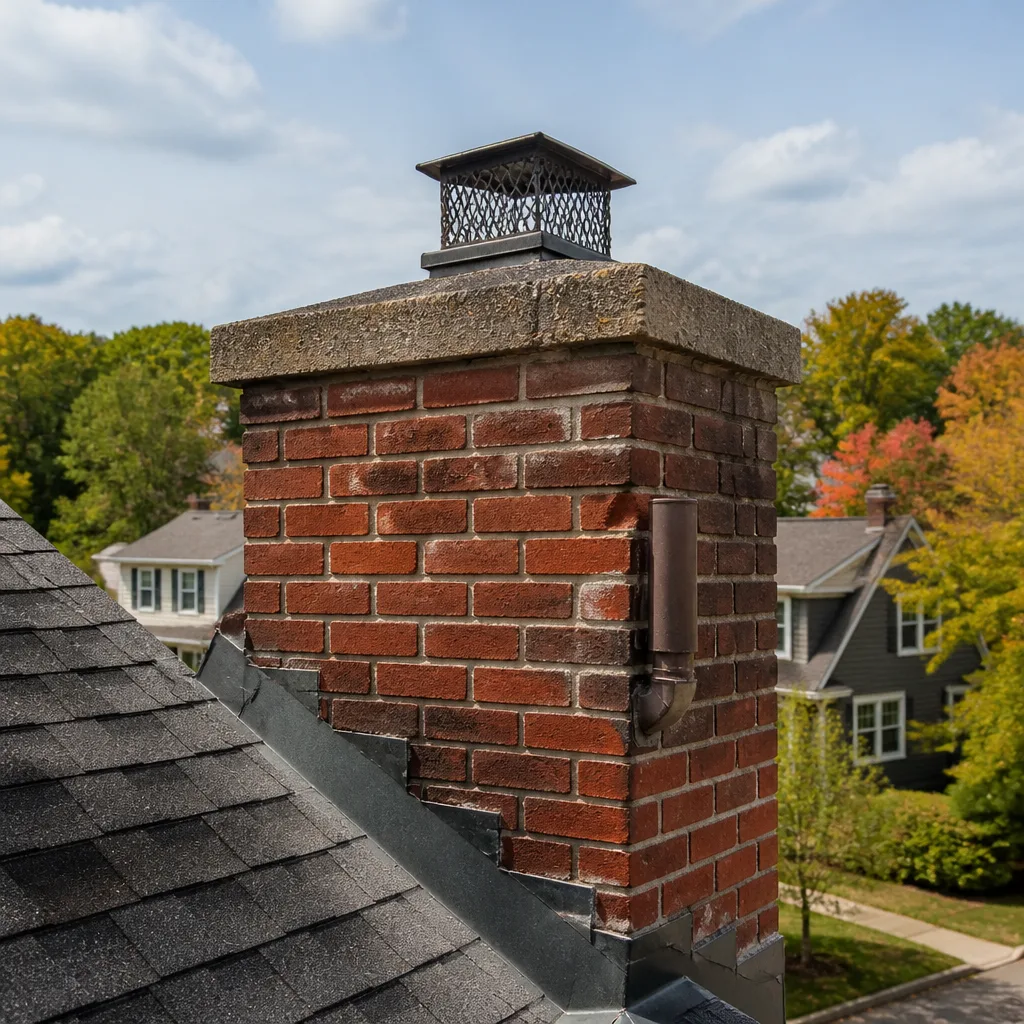 Sweep & inspection
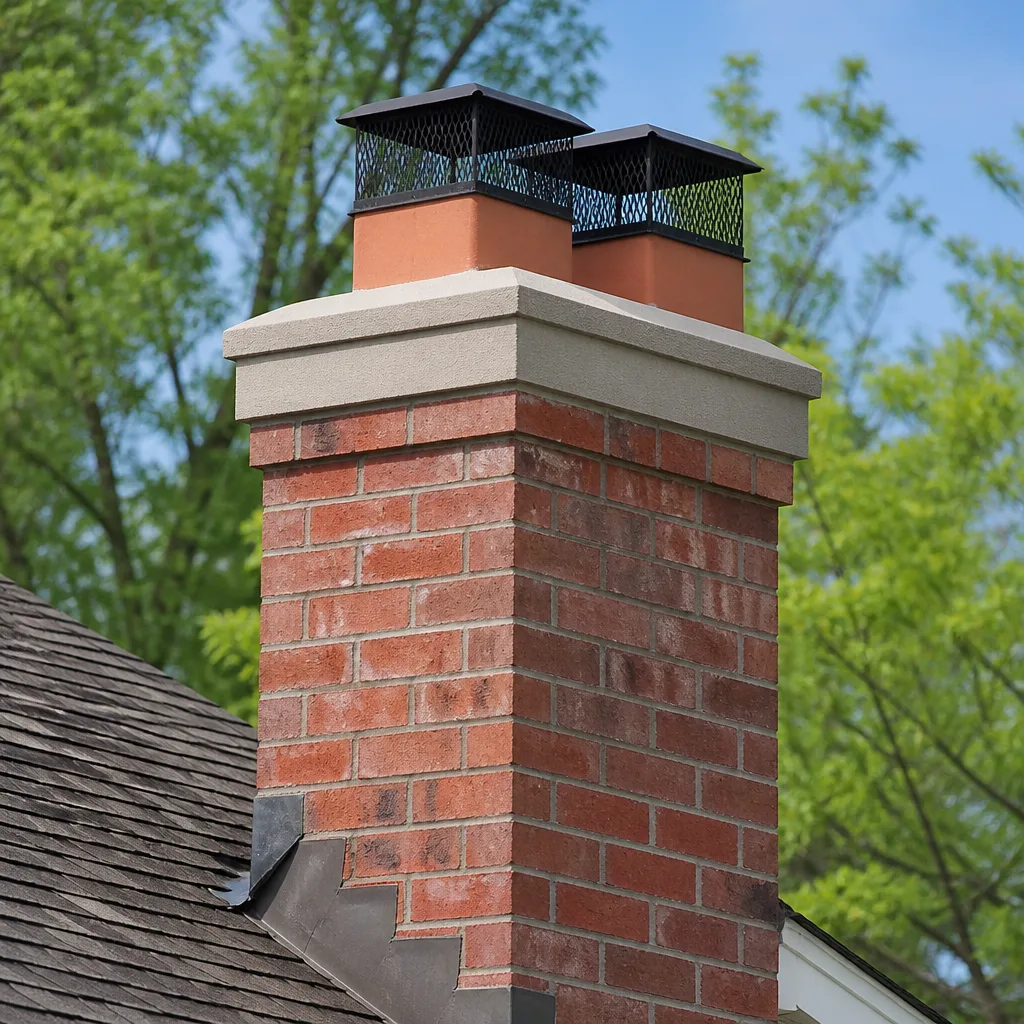 Caps & crowns
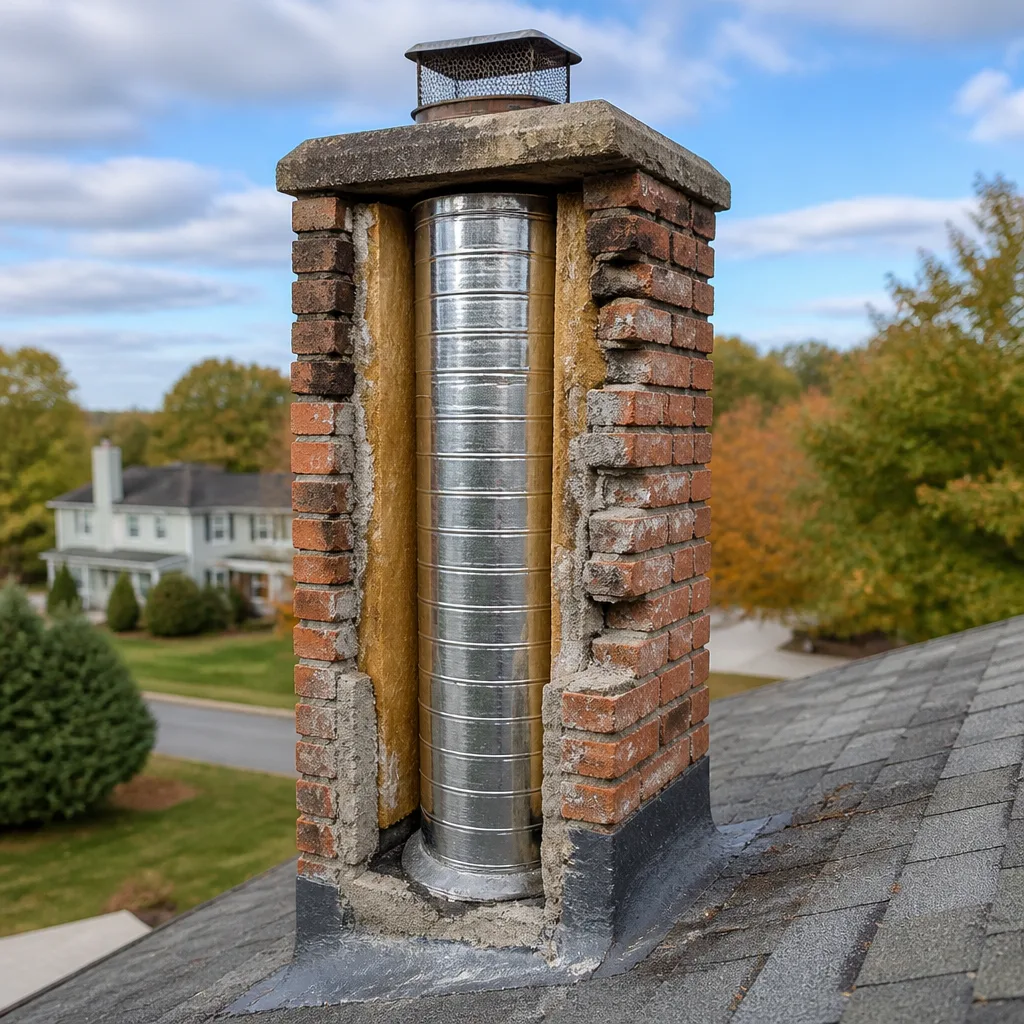 Flue relining
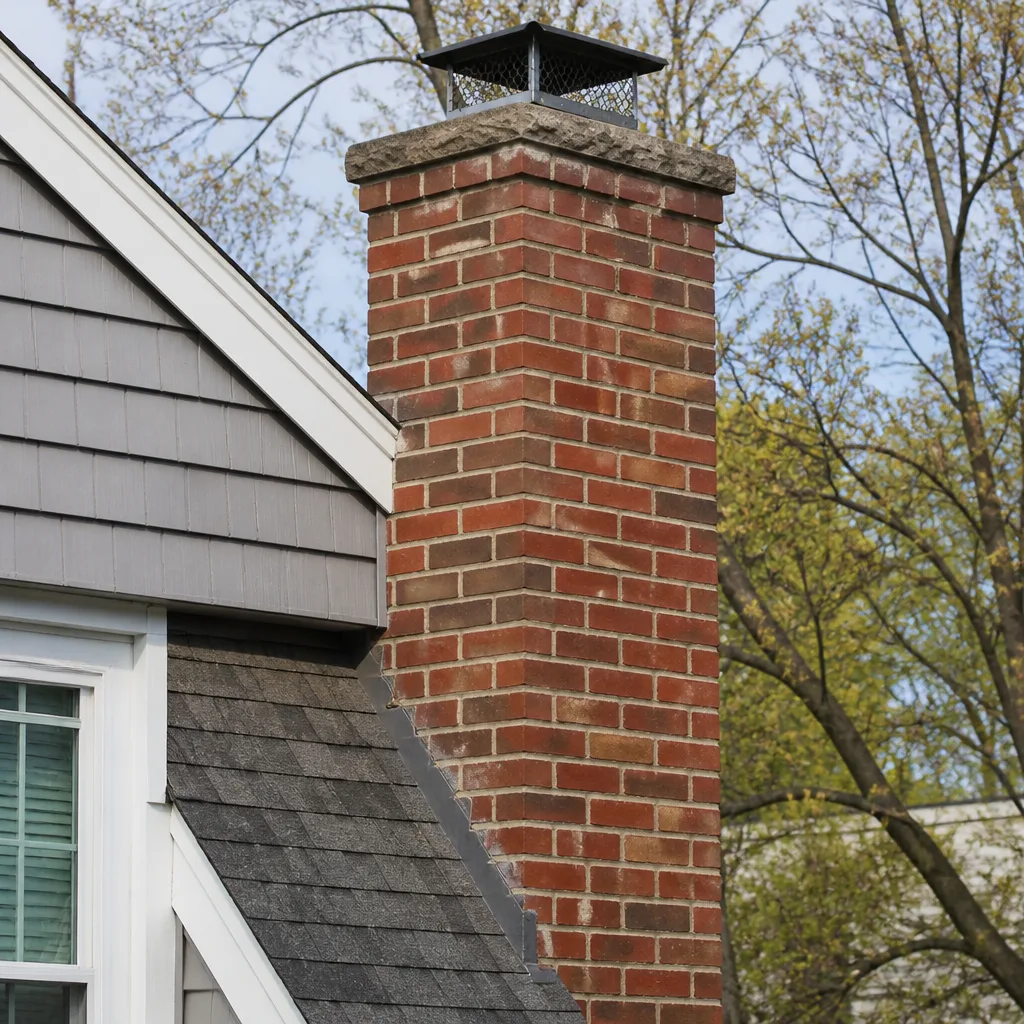 Masonry repair
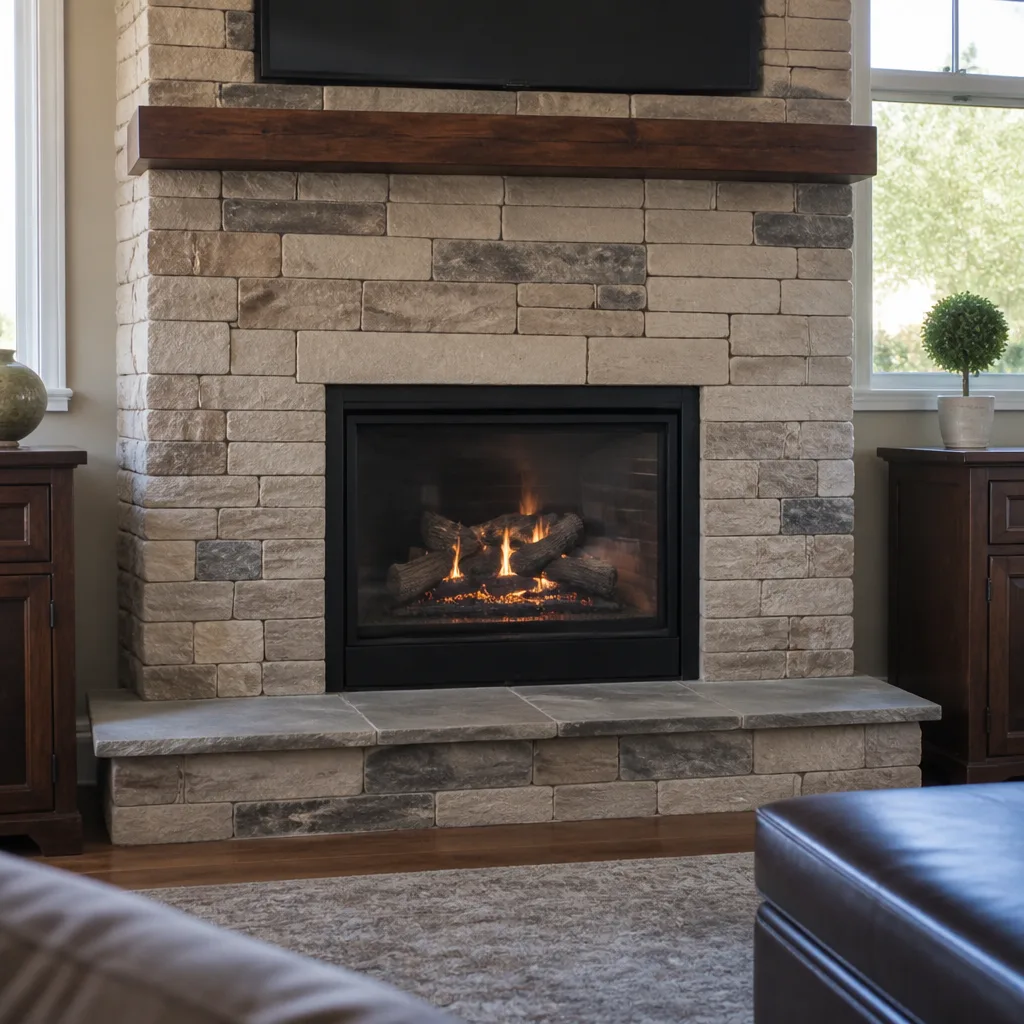 Gas fireplace service
Level 1 sweep and inspection to the NFPA 211 annual standard - flue, crown, cap, and flashing checked and photographed
Chimney sweep logs do not sweep chimneys. They loosen some creosote - which then falls where a brush and vacuum still have to collect it.
Chimney Sweep Maintenance Checklist for Memorial Homeowners
Most chimney problems don’t announce themselves. They develop quietly, out of sight, over months of ordinary use. In Memorial, the components that fail most often are the flue liner, the crown, and the damper, and two of those three can’t be seen from the ground. A checklist isn’t just a reminder to book a cleaning. It’s a diagnostic framework: a way to know which parts of your chimney are drifting toward failure and which are simply doing their job. This guide organizes maintenance by component rather than by season, so you can track condition year over year and catch deterioration while it’s still a small repair.
Quick Answer
A chimney maintenance checklist for a Memorial home should cover six components: the crown, the cap, the flue liner, the firebox, the damper, and the exterior masonry. Homeowners can safely observe the crown, cap, firebox, damper, and exterior masonry from ground level or with a flashlight. The flue liner requires a camera inspection by a technician. The items that become non-negotiable before the first fire of the season are the flue inspection, the damper test, and a crown and cap check, especially if the chimney sat unused through a wet Houston summer.
Styles & brands we work with
- Sweep & inspection
- Caps & crowns
- Flue relining
- Masonry repair
- Gas fireplace service
Table of Contents
- Why a Component-Based Checklist Beats a Seasonal One
- The Crown: Your Chimney’s First Line of Defense
- The Cap: Small Component, Big Consequences
- The Flue Liner: What Only a Camera Can See
- The Firebox and Damper: What You Can Check Yourself
- Exterior Masonry: Reading the Signs Houston Humidity Leaves
- Documenting Condition Year Over Year
- Before the First Fire: The Post-Summer Checklist
Why a Component-Based Checklist Beats a Seasonal One
Seasonal checklists tell you when to do something. Component-based checklists tell you what you’re actually looking at. That difference matters in Memorial, where the climate doesn’t follow a clean four-season script. A chimney here can sit through long stretches of humid, warm weather, then get used heavily in the cooler months. The wear pattern is different from what a northern climate produces, and a checklist built for a northern climate misses it.
When you organize maintenance by component, every item has a known failure mode. The crown cracks. The cap rusts or loses a screen. The liner degrades. The damper sticks. The firebox mortar erodes. The exterior masonry absorbs moisture and spalls. Once you know the failure mode, you know what to look for, and you know which items you can check yourself and which need a technician with a camera.
We approach every Memorial chimney this way. Inspection is a standalone service for a reason: a written condition assessment tells you what’s healthy, what’s wearing, and what’s failing, so the repair conversation starts from evidence rather than from a sales pitch. That’s why we say inspect before you repair. The inspection is the checklist, performed by someone who does nothing but chimney work.
What the checklist is not
It isn’t a DIY repair guide. Several items on this list are safe to look at but not safe to fix yourself. The flue liner and any work involving the interior of the flue belong to a trained technician. High-tension hardware on fireplace doors and any electrical work on gas inserts belong to a professional as well. We flag those clearly as you read.
The Crown: Your Chimney’s First Line of Defense
The crown is the concrete or masonry surface at the very top of the chimney. It slopes away from the flue so rainwater runs off instead of pooling. When the crown is intact, it does its job invisibly. When it cracks, water finds the crack, seeps into the masonry below, and starts a chain of damage that works its way down the chimney over time.
You can assess the crown from the ground with binoculars on a clear day. Look for these signs:
- Visible cracks running from the flue outward to the edge of the crown
- Missing chunks or crumbling edges along the perimeter
- Rust stains on the crown, often a sign the cap above is failing too
- Moss or dark staining on the concrete surface, which points to poor drainage
- A flat or reverse-sloped surface that lets water sit rather than shed
In Memorial, the humidity pattern works against crowns. Long warm, wet stretches followed by intense summer suns expand and contract the masonry. Hairline cracks widen over a few seasons. A crown that looked fine three years ago may show clear separation now.
Crown repair is not something to patch with a tube of sealant from a hardware store. A proper repair rebuilds the crown surface with a material designed for masonry, shaped to shed water correctly. This is a job for a specialist, and it’s one of the five core services we perform. If the crown is cracked and the chimney is otherwise sound, the repair is usually straightforward. Letting it wait is what gets expensive.
The Cap: Small Component, Big Consequences
A chimney cap sits on top of the flue and keeps rain, birds, squirrels, and debris out of the chimney. It’s a small, simple piece of metal, which is exactly why homeowners overlook it. In our experience, a missing or damaged cap is one of the most common findings on a Memorial chimney inspection, especially after storm season.
What to look for
- Is there a cap at all? Ground-level view with binoculars will tell you. No cap means rain is going straight into the flue.
- Is the cap intact? Look for dents, rust-through, or a screen that has pulled loose or been pushed down into the flue.
- Is the cap sized correctly? A cap that’s too small leaves gaps. A cap that’s improperly seated can shift in high wind.
- Is the cap sitting level? A tilting cap usually points to crown damage beneath it.
A failing cap matters more than it looks. Rain entering an uncapped flue accelerates liner deterioration and damages the damper above the firebox. Birds and debris create blockages that restrict airflow and cause smoke to back up into the living space.
Cap and crown installation go together for a reason: both are about sealing the top of the chimney against water. A cap without a sound crown still lets moisture in around the flue. A crown without a cap still lets water down the flue. If you’re scheduling one, it’s worth having the technician look at the other. Our chimney cap & crown work covers both components as a single job.
The Flue Liner: What Only a Camera Can See
You cannot assess your flue liner from the ground, from the fireplace, or with a flashlight pointed up from the damper. A liner can be cracked, separated, or deteriorating while everything above the firebox looks normal. This is why the flue liner sits at the top of the checklist and why we treat inspection as a formal, documented service rather than a glance during a cleaning.
What a camera inspection reveals
- Cracks and gaps in clay tile liners, which let heat and gases escape into the surrounding masonry
- Spalling tile surfaces where moisture has penetrated and the material is breaking down
- Misaligned or displaced tiles following a chimney fire or settlement
- Heavy creosote accumulation that a brush alone won’t remove at third-degree level
- Debris, nests, or blockage above the damper that restricts airflow
If the liner has failed, a stainless steel relining system is the standard repair. This is a technically demanding job: it involves sizing the liner correctly for the appliance, insulating it properly, and connecting it at the top and the firebox without gaps. We work with DuraFlex liner systems, and we consider this capability one of the markers that separates a true chimney specialist from a generalist with a brush.
For masonry flues where the liner has deteriorated but hasn’t fully failed, resurfacing with a product like HeatShield can extend the life of the flue without a full reline. Not every chimney qualifies. The camera inspection tells you which path applies.
One safety note, because it matters: do not attempt any liner work, inspection, or repair inside the flue yourself. The interior of a chimney is confined, often coated in creosote, and the hardware involved can cause serious injury. This is one of the checklist items that always belongs to a trained technician.
The Firebox and Damper: What You Can Check Yourself
The firebox and damper are the two components you can see clearly from inside your home. Checking them is safe and takes about five minutes. That doesn’t mean you should repair them yourself. It means you should know their condition so you know when to call.
Firebox checklist
- Look at the mortar joints. Cracks, crumbling, or gaps between firebrick are the early stage of a failing firebox.
- Check the firebrick faces. Spalling, flaking, or dark discoloration beyond normal soot suggests moisture or heat damage.
- Look for gaps at the firebox-to-surround transition. A gap between the firebox and the surrounding hearth or facing can let heat through.
- Check the hearth and hearth extension. Cracks here are worth flagging to a technician.
Damper checklist
- Test the operating arm or handle. The damper should open and close smoothly through its full range.
- Look up when it’s open. Confirm the damper plate swings fully clear and doesn’t hang up.
- Look at the damper plate from below. Rust, warping, or a plate that doesn’t seat fully when closed both need attention.
- Note any smoke spillage. If smoke rolls out into the room when you open the damper during a fire, something is restricting airflow and it’s worth a professional look.
A stuck or warped damper is a firebox issue as well: it affects draft, and a poorly drafting fire deposits creosote faster than a healthy one. When we perform fireplace repair in Memorial, the damper and firebox work together in the assessment. Neither is a component you want to force.
Exterior Masonry: Reading the Signs Houston Humidity Leaves
Memorial’s humidity is the single biggest driver of masonry wear. The pattern is predictable: moist, warm air keeps brick and mortar damp through long stretches, then sun and heat drive moisture out from the surface inward. The repeated wet-dry cycle stresses mortar joints and brick faces. The signs show up slowly.
Spalling mortar
Mortar is the sacrificial layer in a masonry chimney. It’s meant to be softer than the brick so it takes the damage first. When mortar spalls, you’ll see loose, sandy material around the joints, crumbling edges, and eventually recessed joints where the mortar has receded. On a Memorial chimney that’s spent a few summers in the local humidity, spalling mortar on the upper exterior is common. Repointing that surface with the right mortar mix restores the joint and protects the brick behind it.
Efflorescence
Efflorescence is that white, powdery staining that appears on brick and concrete. It’s not mold, and it’s not cosmetic. It’s evidence that water is migrating through the masonry and depositing mineral salts on the surface as it evaporates. Where efflorescence shows up, moisture is already inside the chimney. Where it returns after cleaning, moisture is still coming in. Tracking where it appears and whether it’s growing tells you more about the chimney’s health than a single look ever can.
What else to check on the exterior
- Vertical cracks running along the masonry, especially near corners
- Flashing at the roofline for rust, separation, or gaps that let water in
- Brick face deterioration where the surface has started to flake or crumble
- Rust staining on masonry, usually a sign of a failing cap or crown above
Exterior masonry repair is a specialist job, and the materials matter. We work with products from the professional-grade brands the chimney trade trusts, not sourced from a big-box retailer. Repointing a chimney with the wrong mortar is worse than leaving it alone.
Documenting Condition Year Over Year
One of the most useful things you can do for your chimney is also one of the simplest: keep a record. A technician who sees only the current state can tell you something is cracked. A technician with a record of the same chimney year over year can tell you whether that crack is new, stable, or growing. That difference is the difference between reactive repair and actual maintenance.
How to build the record
- Ask for the camera inspection report. A proper inspection is documented with photos and written findings, not a verbal overview. Keep a copy each year.
- Photograph what you can see. Snap a few phone photos of the crown, the cap, the exterior masonry, and the firebox each year, from the same angles. Small changes are easy to spot across a year, impossible to spot across a day.
- Note efflorescence and spalling locations. Mark where white staining or crumbling mortar appears. If it’s in the same place each year, it’s stable. If it’s spreading down the chimney, moisture is still getting in.
- Keep a simple log of services. Date, service performed, findings. When a technician asks whether the crown was ever rebuilt or the damper replaced, the answer is right there.
- Review the record every autumn. The trend matters more than a single year’s snapshot.
This isn’t bureaucratic. It changes the conversation. Instead of “your liner needs work,” you can see the liner’s condition in the photos, compare it with last year’s inspection, and understand what’s changed. It’s the homeowner-side discipline that makes “inspect before you repair” work in practice.
Before the First Fire: The Post-Summer Checklist
A chimney that sat unused through a wet Houston summer is not the same chimney that sat unused in a dry climate. Moisture gets inside, the liner and masonry absorb it, and the first fire of the season drives that moisture out through the masonry while the firebox heats up. The wet-to-hot transition is hard on a chimney. It’s also the moment creosote and any blockage from the summer become a real risk.
The pre-season non-negotiables
- A camera inspection of the flue. No exceptions. The summer may have produced a blockage, a nest, or new liner damage that wasn’t there last season.
- A sweep before the first burn. Summer creosote is more acidic and more corrosive than winter creosote, and any accumulation from last season is still inside the flue. A chimney sweep removes it before you add to it.
- Damper and firebox check. Same test as in the section above, done before the first fire. A stuck damper on the first cold evening of the season is a problem you want to have found in October, not December.
- Crown and cap inspection. From the ground with binoculars is enough. If the crown is cracked or the cap is damaged, schedule the repair before the first fire.
- Exterior masonry review. Look for new efflorescence, fresh spalling, or new cracks. Compare with last year’s photos.
Those five items form the pre-season checklist for a Memorial chimney. The other items on this guide’s lists matter, but they can be scheduled without the same urgency. These five affect the first fire directly.
If you’re not sure where your chimney stands, the answer is the same each time: get it inspected. We do this for Memorial homeowners every year, and the inspection tells us whether you need a cleaning, a repair, or nothing at all. We work with the professional brands the trade trusts, including Copperfield, Gelco, DuraFlex, and HeatShield, so the materials on the repair matter as much as the diagnosis behind it.
Common Mistakes to Avoid
- Waiting for a problem to announce itself. Chimney failures are usually quiet until they’re expensive. The point of the checklist is to catch the early stages.
- Checking only in the fall. In Memorial, humidity does its damage through the warm, wet months. A spring or early summer look catches masonry issues while they’re still small.
- Patching the crown with hardware-store sealant. A crown is a structural surface designed to shed water. A sealant patch fails within a season and hides the real damage below.
- Skipping the camera inspection to save time. The interior of the flue is the part of the chimney you can’t see, and it’s where the dangerous failures happen. No camera, no confirmation.
- Cleaning off efflorescence without asking where it came from. Efflorescence is a symptom. Removing it and moving on leaves the moisture source in place, and it comes back.
- Repointing with the wrong mortar. Chimney mortar has a specific composition that’s softer than the brick. A general contractor’s mortar mix can damage the brick it’s meant to protect.
- Not recording anything. Without a year-over-year record, every inspection is a first impression. The trend is the signal.
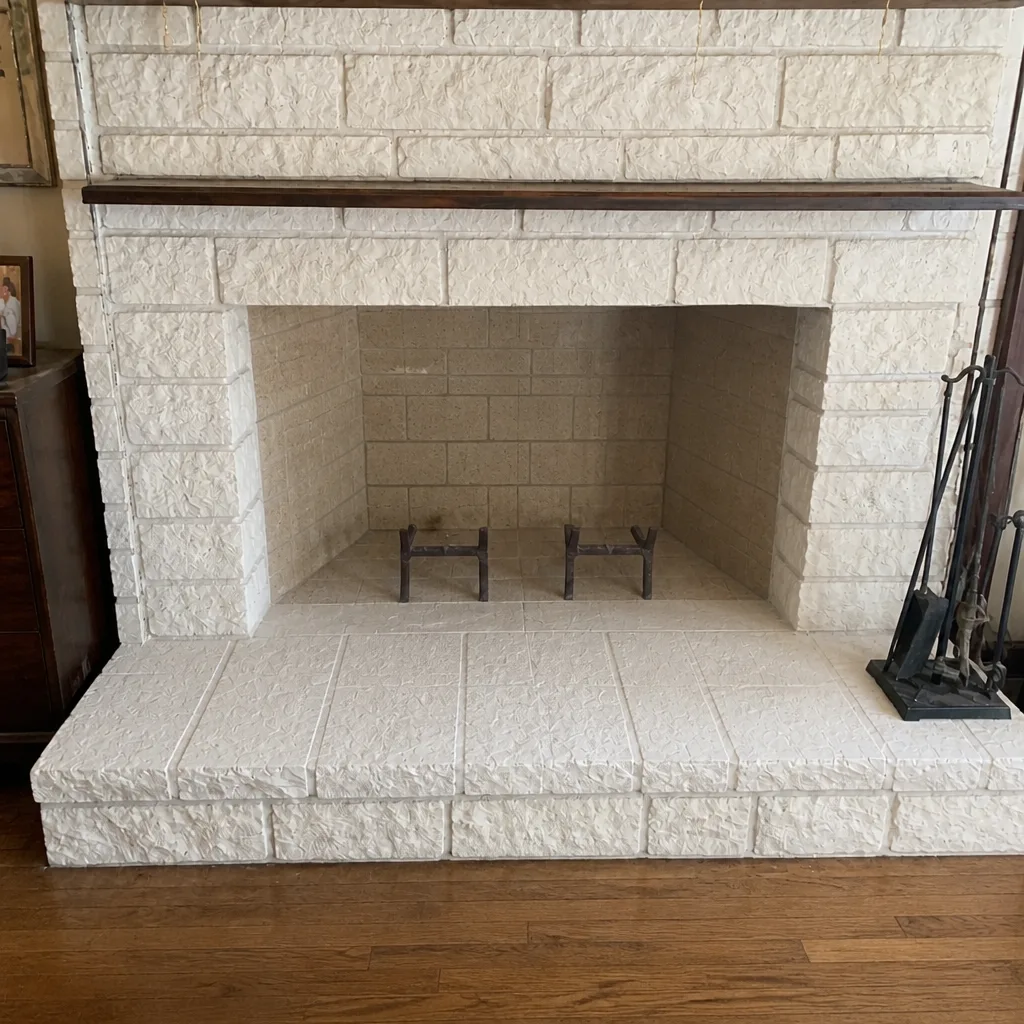
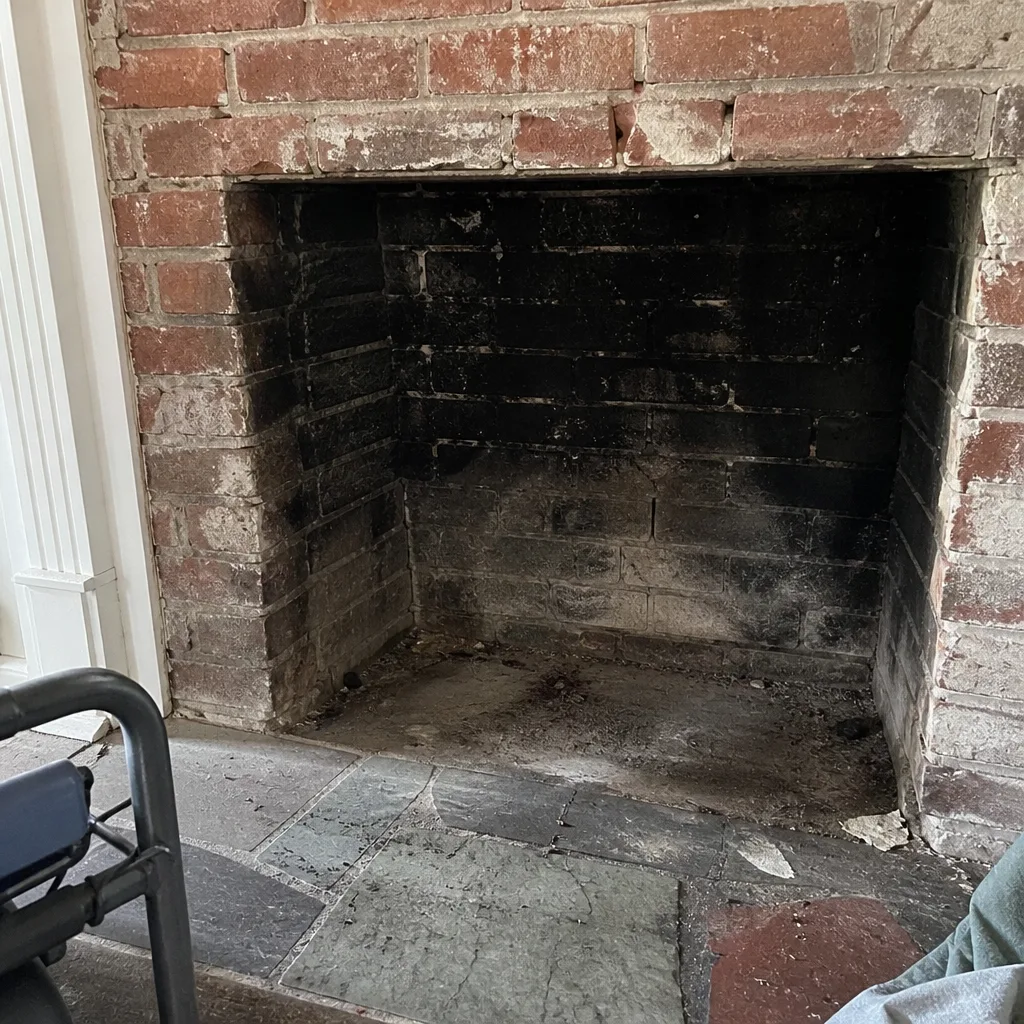
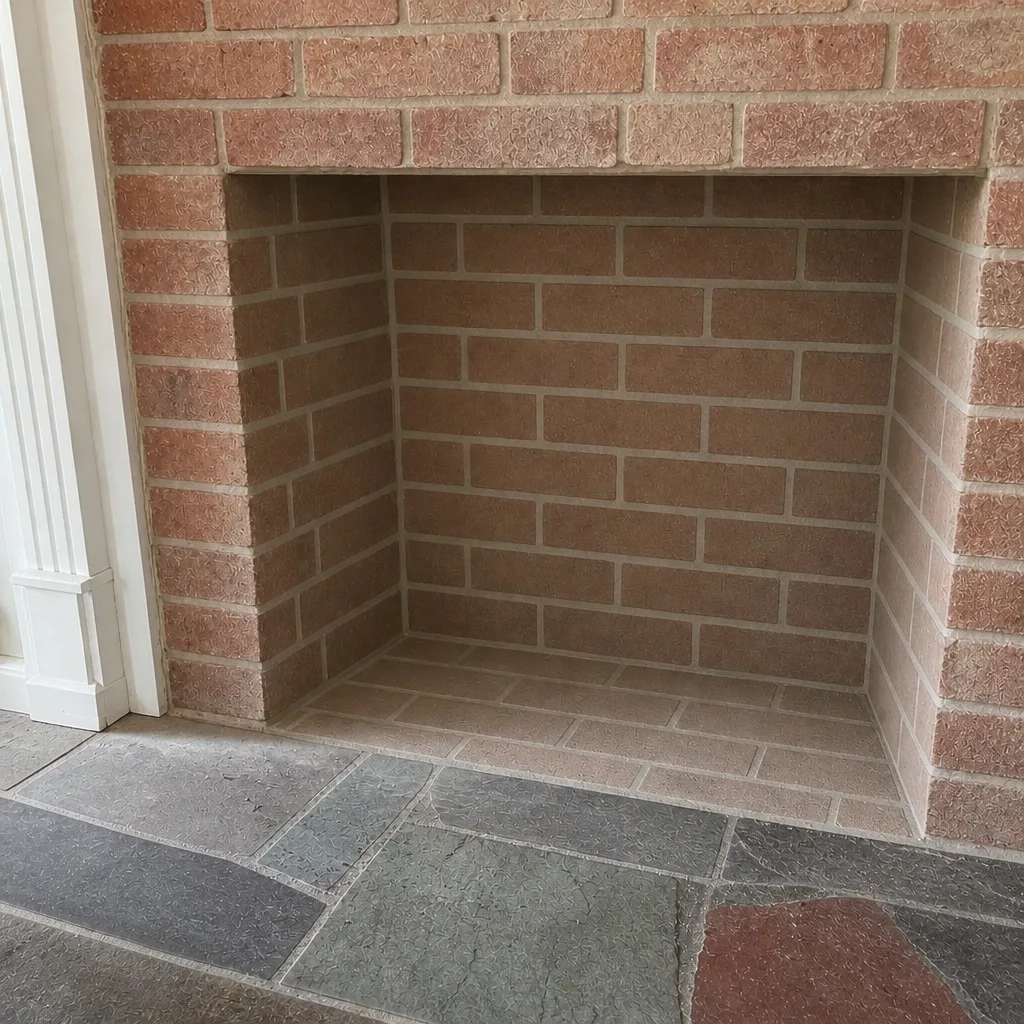
See the difference
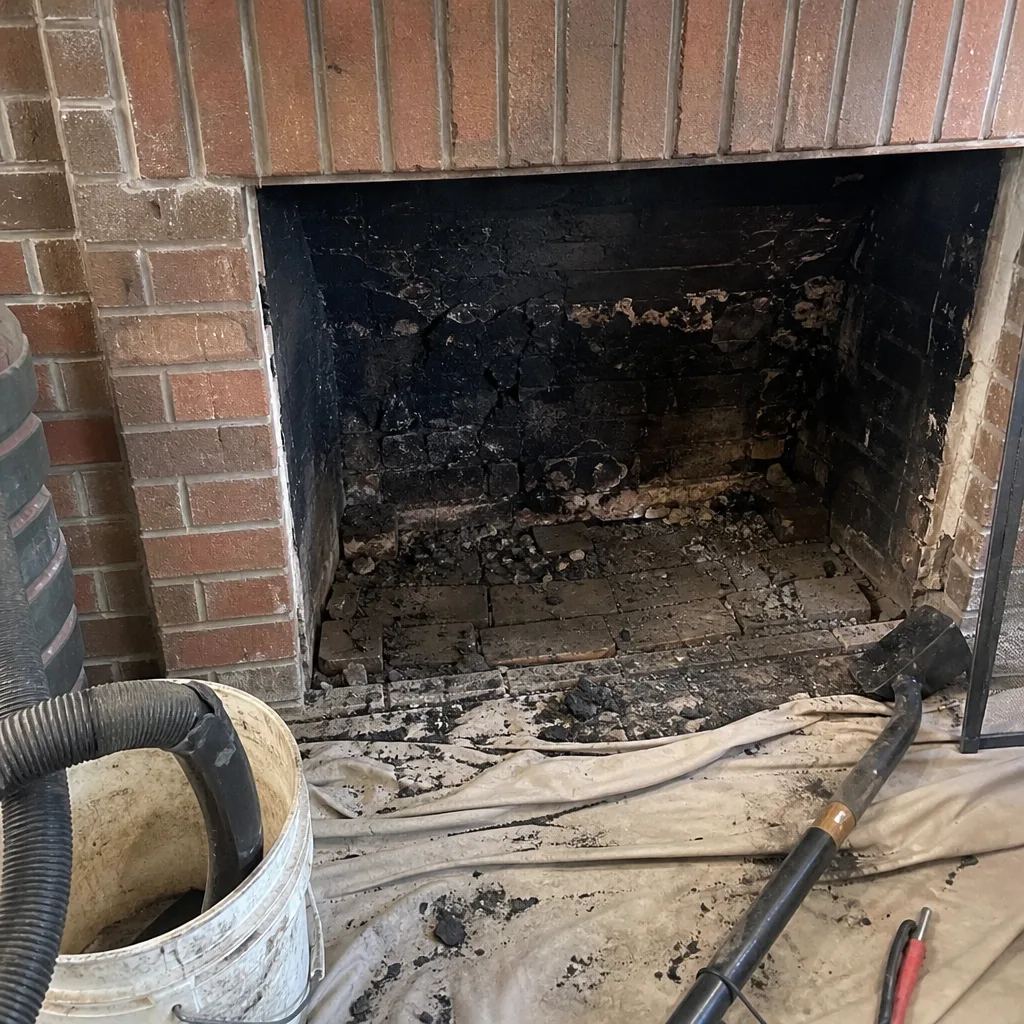 Before
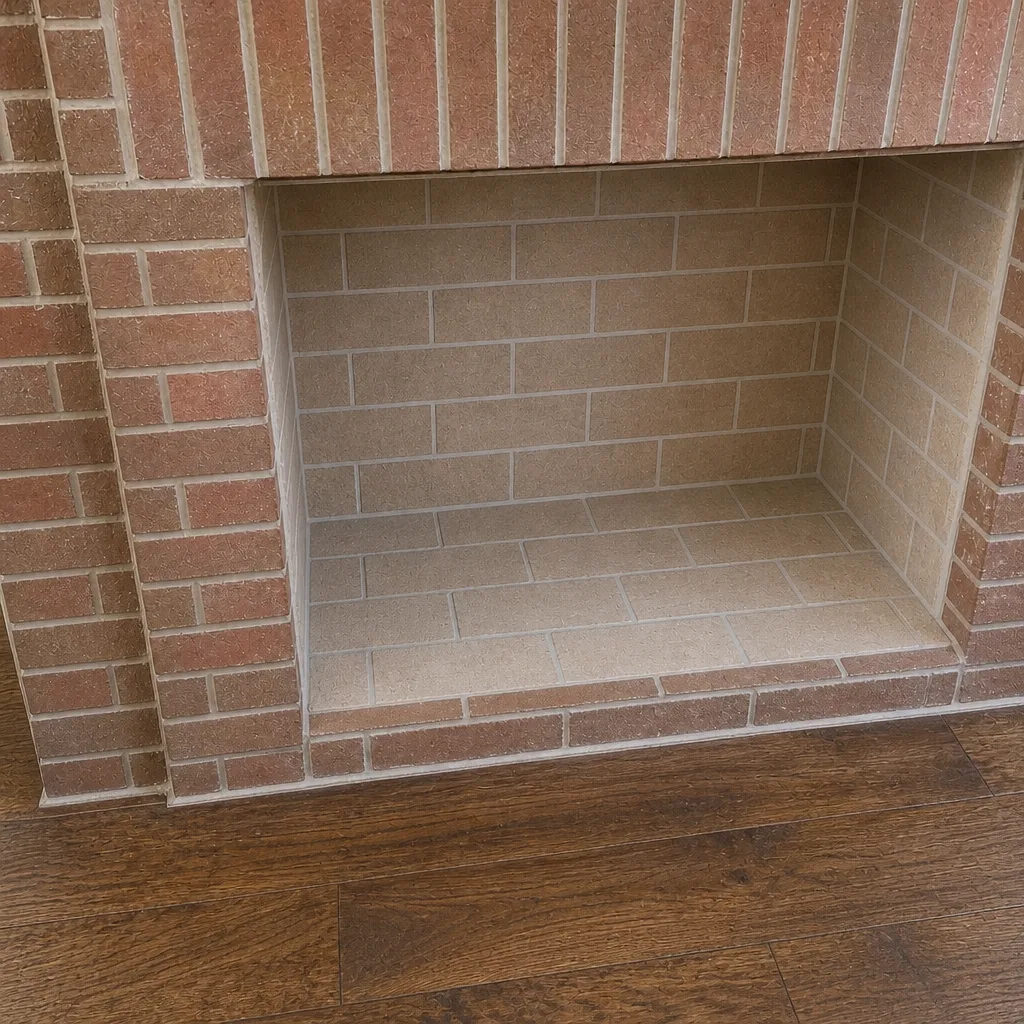 After
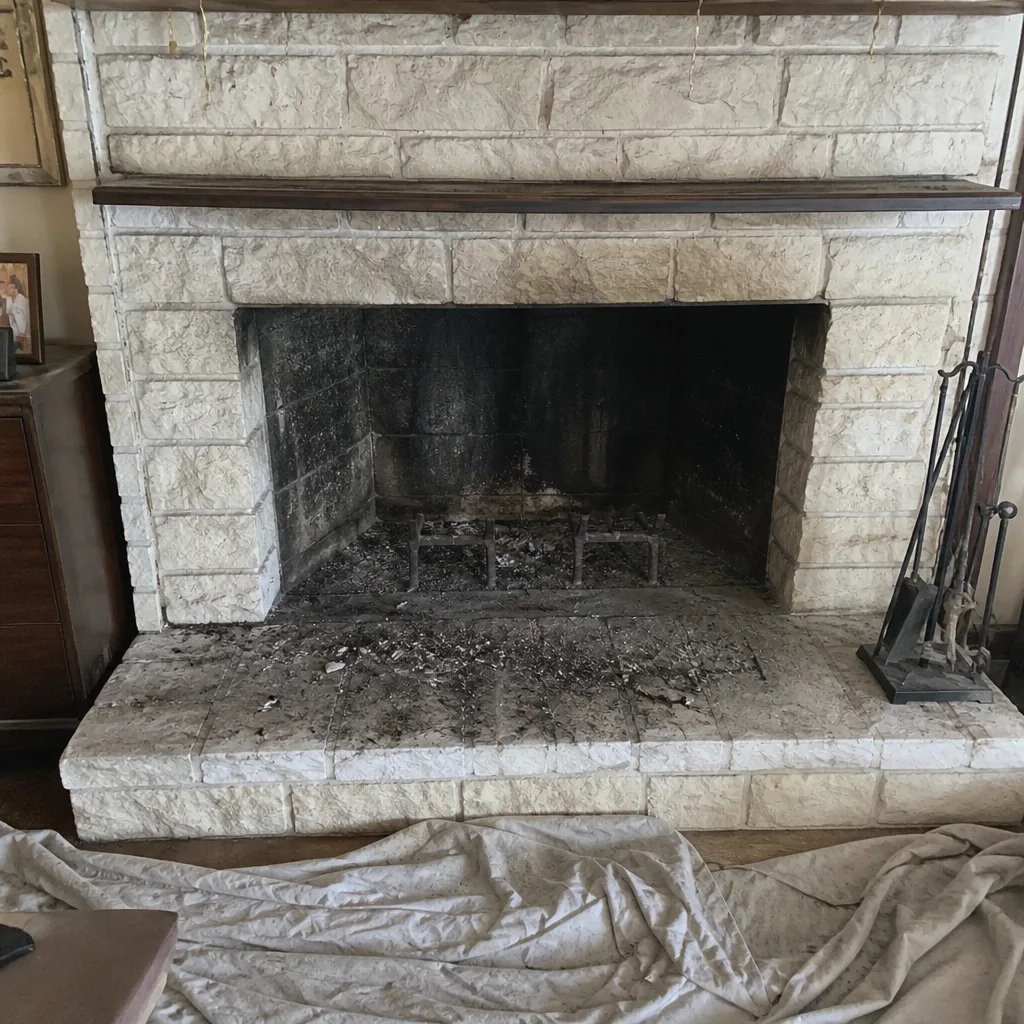 Before
 After
 Before
 After
When to Call a Professional
Call a professional any time a checklist item turns up evidence you can’t interpret. Visible cracks in the crown, missing or rusted cap components, spalling mortar, new or spreading efflorescence, cracked firebox mortar, a stuck damper, or any sign of smoke spillage all warrant a professional look. Call sooner if the chimney has never been inspected, if it sat unused through the summer, or if you’re preparing to use it for the first time in a while. The most important call, though, is the one for a camera inspection: nothing else substitutes for seeing the inside of the flue. Chimney Sweep Memorial offers free estimates in Memorial. Call (833) 509-5352. We answer 24/7. Fast dispatch from 7am to 7pm, Sunday through Friday.
Frequently Asked Questions
The checklist should cover six components: the crown, the cap, the flue liner, the firebox, the damper, and the exterior masonry. Homeowners can check the crown, cap, firebox, damper, and exterior masonry from ground level or with a flashlight. The flue liner requires a camera inspection by a technician. Call (833) 509-5352 for an exact quote on an inspection. Estimates are free.
Once a year for most homes using the fireplace regularly, and always before the first fire of the season if the chimney sat unused through the summer. A camera inspection is the only way to confirm the liner’s condition. Call (833) 509-5352 to book an inspection. Estimates are free.
You can safely check the crown, cap, firebox, damper, and exterior masonry, and you should, because knowing their condition tells you when to call. You cannot safely assess the flue liner, and you should not attempt any work inside the flue yourself. That belongs to a trained technician with a camera. Call (833) 509-5352 for an inspection. Estimates are free.
Efflorescence means moisture is migrating through the masonry and depositing mineral salts on the surface as it evaporates. It’s evidence water is getting in, not just a surface stain. If it returns after cleaning, the moisture source is still active. Call (833) 509-5352 for an exact quote on an inspection. Estimates are free.
Yes. A cracked crown lets water into the masonry below, where it damages the chimney from the inside out over time. Crown repair with a proper masonry material is usually straightforward when caught early. Call (833) 509-5352 for an exact quote. Estimates are free.
Because in Memorial, the humidity does its damage through the warm, wet months, and the first fire of the season forces moisture out of the masonry while the firebox heats up. A pre-season inspection confirms nothing new happened inside the flue during the summer. Call (833) 509-5352 for an exact quote. Estimates are free.
The Bottom Line
A chimney maintenance checklist works because it tells you what to look for before something fails. In Memorial, the components that fail most often are the crown, the flue liner, and the damper, and two of those three can’t be seen from ground level. Check what you can, safely: crown, cap, firebox, damper, exterior masonry. Get a camera inspection for what you can’t. Keep a year-over-year record so a technician can spot the trend, not just the state. If you want the full checklist performed by a company that does nothing else, call Chimney Sweep Memorial at (833) 509-5352 for a free estimate. We answer 24/7. Fast dispatch from 7am to 7pm, Sunday through Friday. If you’d like to see all five of our services in one place, start with Chimney Sweep Memorial, and when you’re ready to schedule, book a chimney sweep and inspection together.
Written by the team at Chimney Sweep Memorial.