
Last updated November 24, 2026
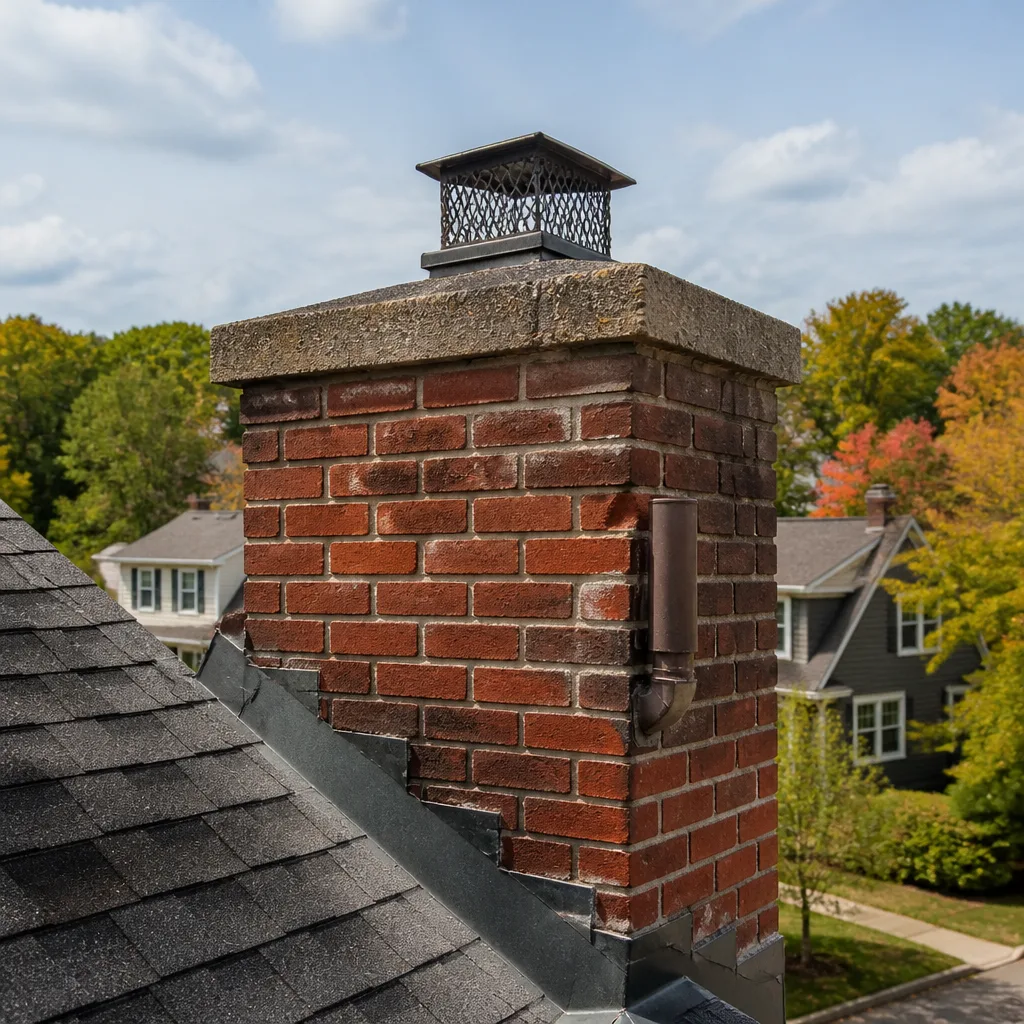 Sweep & inspection
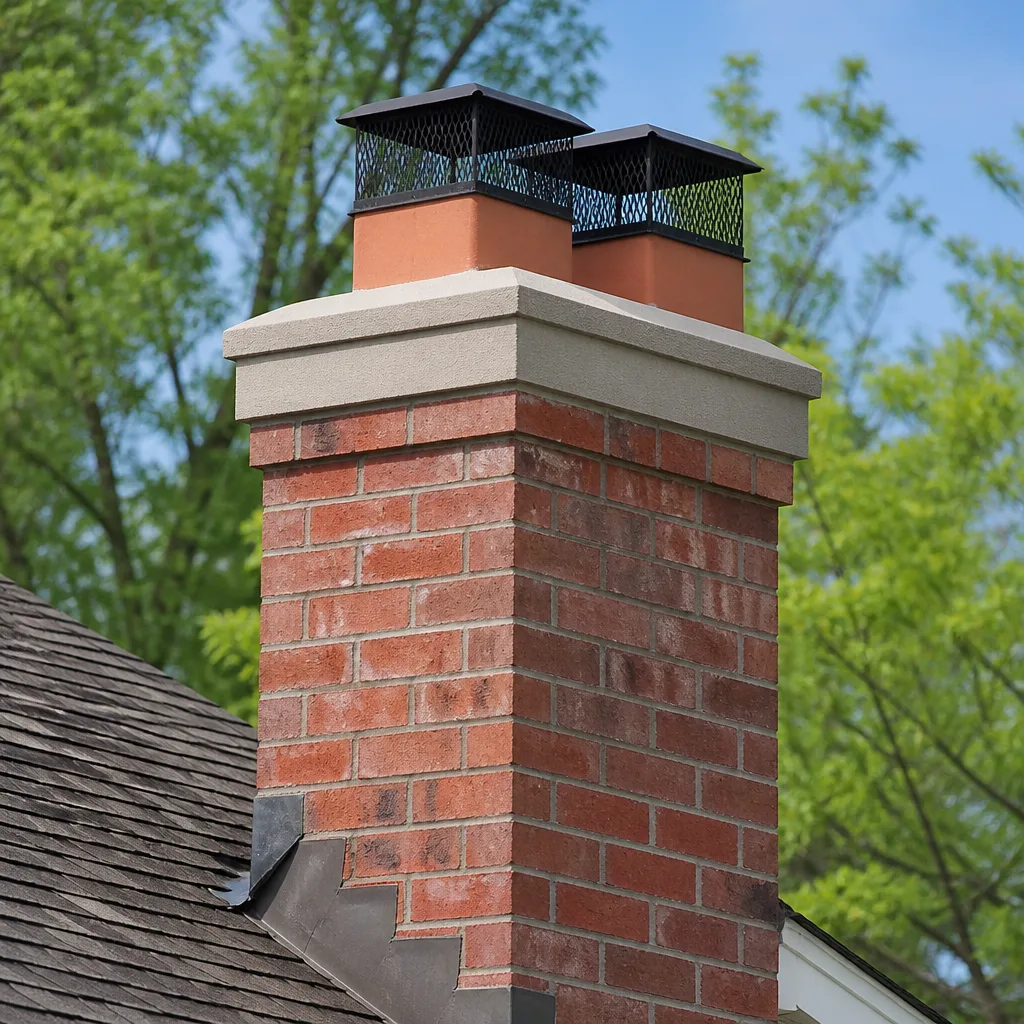 Caps & crowns
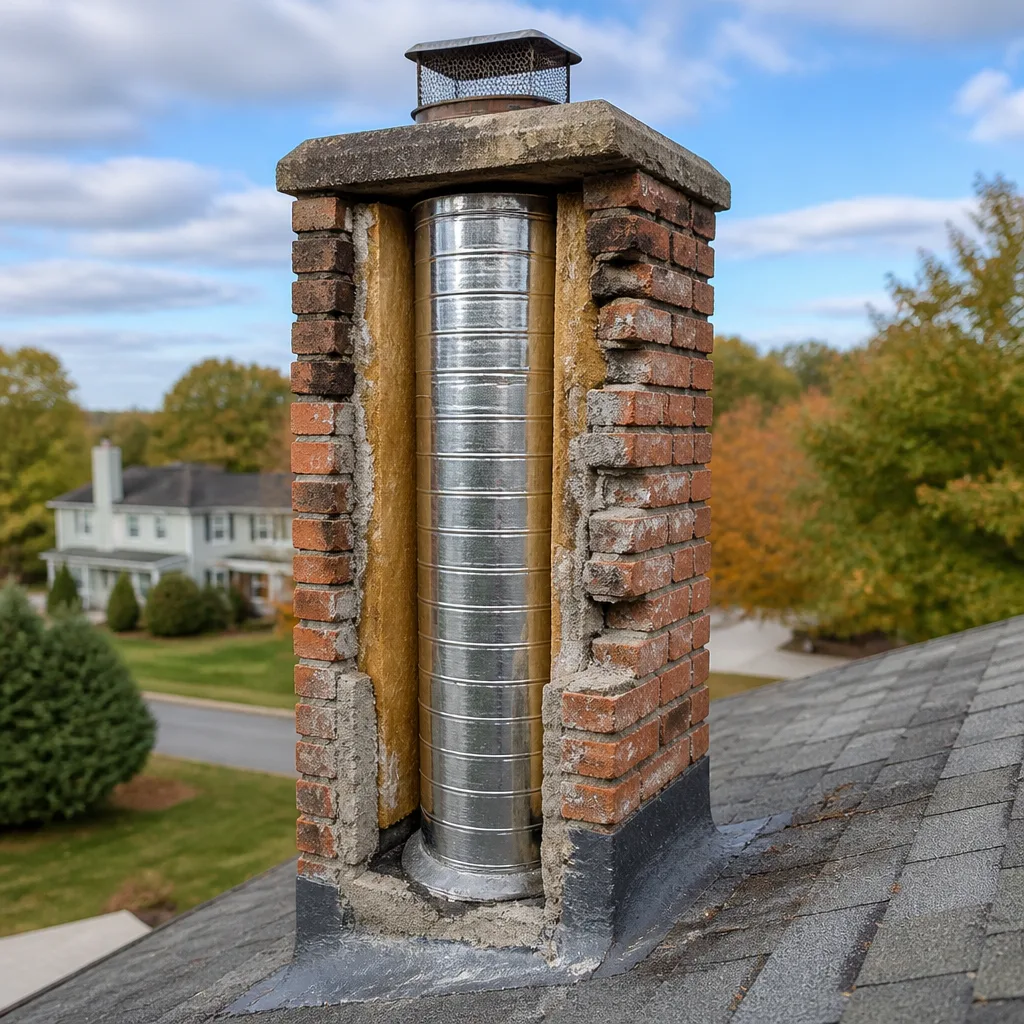 Flue relining
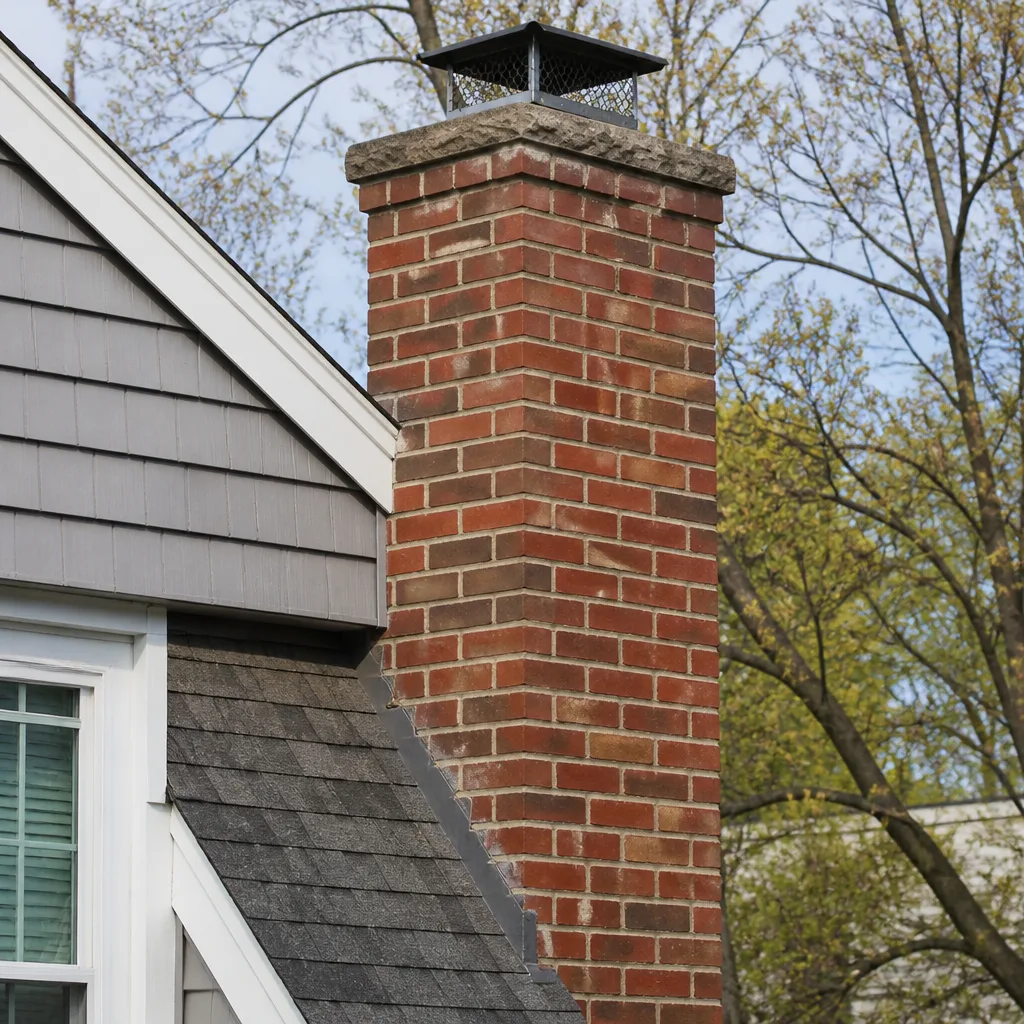 Masonry repair
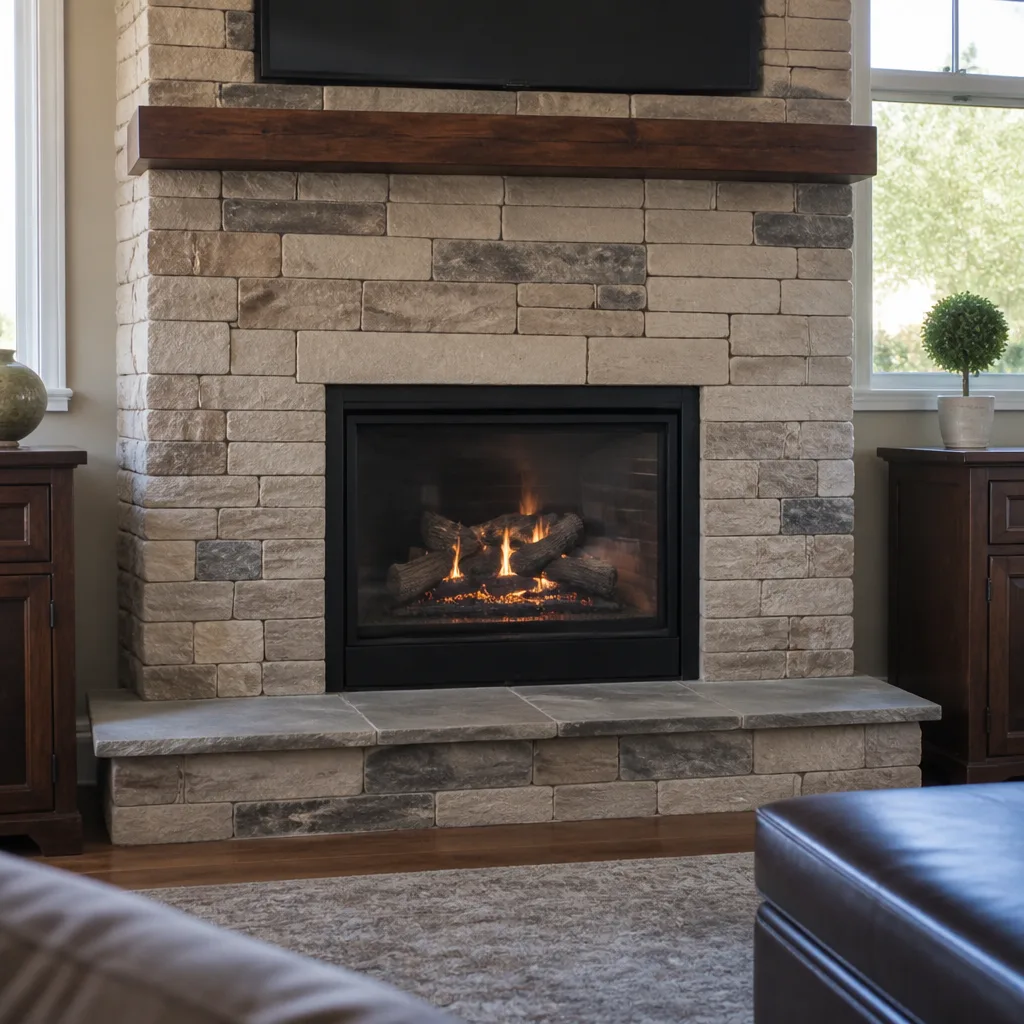 Gas fireplace service
Level 1 sweep and inspection to the NFPA 211 annual standard - flue, crown, cap, and flashing checked and photographed
Chimney sweep logs do not sweep chimneys. They loosen some creosote - which then falls where a brush and vacuum still have to collect it.
The Complete Guide to Chimney Cleaning in Memorial
Most chimney fires don’t start in the middle of a cold snap. They start on the first fire of the season, inside a flue that looked fine from the outside but hadn’t been touched in a year and a half. That gap is where the trouble hides. Creosote builds quietly, hardens in our humidity, and waits. This guide is built around what actually happens inside a Memorial chimney between burn seasons, why the cleaning schedule most national articles recommend doesn’t quite fit this part of Texas, and what a real full-service cleaning includes that a quick brush-and-go visit leaves behind.
Quick Answer
Chimney cleaning in Memorial should be done once a year for a wood-burning fireplace, or whenever creosote has built up to about 1/8 inch on the flue walls. Gas fireplaces and inserts still need an annual cleaning even though they produce no visible soot. Around Memorial, the humid climate between short burn seasons is what makes that yearly cleaning non-negotiable rather than optional.
Styles & brands we work with
- Sweep & inspection
- Caps & crowns
- Flue relining
- Masonry repair
- Gas fireplace service
Table of Contents
- Why Memorial Chimneys Age Differently
- Creosote, Humidity, and the First Fire of the Season
- Level 1, 2, and 3 Inspections: Which One You Actually Need
- Why Gas Fireplaces in Memorial Still Need Cleaning
- Clay Soil, Foundation Movement, and Your Flue Liner
- What a Full-Service Cleaning Includes (and What Sweep-Only Leaves Behind)
- How Often to Sweep in Memorial
- When to Call a Professional
- Frequently Asked Questions
Why Memorial Chimneys Age Differently
Memorial sits in a humid subtropical pocket of Texas. That one fact changes how a chimney behaves here compared with the dry-climate advice you’ll find in most chimney guides. Winters are short and mild, so the burn season runs maybe three or four months, with long stretches of disuse on either end. Those stretches are the problem.
When a chimney sits idle in warm, humid air, the creosote that coated the flue walls during the previous season keeps absorbing moisture. Creosote is hygroscopic, which means it pulls water out of the air. In the low-humidity West, creosote just dries out and stays powdery. Around Memorial, it takes on water, glazes, and hardens into a dense, tar-like layer that’s far more flammable and much harder to remove than the fluff a stiff brush clears in seconds.
That’s the first thing we look for in a Memorial home: not how much creosote is there, but what state it’s in. The second thing is the chimney itself. Many homes in the Memorial area were built in the postwar decades and later, and the masonry reflects the materials of those eras. Brick, mortar, and clay tile all expand and contract through our damp-then-hot seasonal swing. Add in the humidity that keeps the flue interior moist nine months out of twelve, and you get a chimney that ages faster on the inside than the outside ever shows.
What the homeowner usually sees: an exterior that looks fine. What we find inside: spalling clay tiles, softened mortar joints where the acidic creosote has eaten away at the binder, and gaps at the smoke chamber that let smoke drift into the house. Homeownership here means understanding that the outside of a chimney is a poor indicator of the inside.
Creosote, Humidity, and the First Fire of the Season
The first fire after a long idle period is when most chimney fires happen. There are two reasons, and they stack on top of each other.
The first is the creosote itself. Through the warm months it has been slowly hardening, glazing, and bonding to the flue tile. When you light that first fire, the heat arrives fast, the hardened layer ignites before the smoke can carry it up and out, and the fire burns inside the chimney where you can’t see it until it’s roaring. A flue fire can reach over 2,000°F, hot enough to crack clay tile, warp a metal liner, and start a fire inside the framing.
The second reason is airflow. If the flue has a partial obstruction from a bird’s nest, a broken tile, or a fallen cap, the smoke backs up and the creosote grows faster, hotter, and closer to the house.
What you can actually check yourself before lighting up:
- Listen and look. Shine a strong light up the open damper. If you can see a thick black or shiny crust on the walls more than about 1/8 inch deep, stop and call a professional.
- Open the damper fully and confirm it moves freely. A stuck or partly-closed damper is a smoke-in-the-house problem waiting to happen.
- Check for water or animals. Signs of moisture at the firebox floor, or a nest at the flue top, mean the chimney needs a professional look, not a homemade sweep.
- Confirm your cap is intact. A missing or damaged cap lets rain into the flue all year.
- Check the smoke and carbon monoxide alarms on every level of your home before the season starts.
What you should not do is try to scrape creosote off yourself with a wire brush on a pole. Glazed, hardened creosote is a fire hazard, and the tools a pro uses to break it down safely, including rotary systems and, in some cases, chemical treatment, are not things you want to figure out by trial and error on a roof. Call a chimney sweep in Memorial who will get the flue clean and confirm the liner is sound.
Level 1, 2, and 3 Inspections: Which One You Actually Need
The National Fire Protection Association publishes standard 211, which defines three inspection levels. Knowing which one applies to your situation is the single biggest gap we see in homeowner knowledge, and it’s the reason a $99 sweep from a generalist often isn’t money well spent.
Level 1 Inspection
A Level 1 is the routine visual inspection that should accompany every annual cleaning. It covers the readily accessible portions of the firebox, damper, smoke chamber, and flue, plus the exterior of the chimney at the roofline, using a camera or mirror as needed. If you’ve had the chimney swept each year and nothing has changed, a Level 1 is the right call.
Level 2 Inspection
A Level 2 adds a video camera scan of the entire flue interior, plus a visit to the areas of the chimney behind the walls and into the attic, and the roof-level components. It’s the standard inspection required after a chimney fire, after an earthquake, after a lightning strike, and any time the home changes hands through a sale. Around Memorial, a Level 2 is also the right call after an extended gap in use (think two or more seasons) or after any severe storm that brought hail or wind to the roof line. The camera shows you what no exterior look can: cracked tiles, misaligned flue sections, and gaps where the liner meets the smoke chamber.
Level 3 Inspection
A Level 3 is investigative and can involve removing parts of the chimney or adjacent building material to reach a suspected problem. It’s warranted when a Level 1 or Level 2 finds something serious, or when a concealed problem needs to be confirmed before a repair decision. It’s not routine, and it’s not something to authorize on a hunch. A formal inspection documents what’s actually there and lets you decide from real evidence rather than a sales pitch.
The takeaway: a camera inspection is the tool that turns “you probably need a new liner” into a documented condition you can see for yourself. We won’t recommend a liner or masonry work you can’t verify on the camera screen. Inspect before you repair is the discipline that saves Memorial homeowners from being talked into thousands of dollars of unnecessary work, and it also saves the homeowner who genuinely needs a repair from putting it off.
Why Gas Fireplaces in Memorial Still Need Cleaning
Gas fireplaces and gas inserts don’t produce creosote. They also don’t produce the visible soot a wood-burning homeowner expects to see. So the assumption is understandable: a gas fireplace doesn’t need a chimney sweep.
It does. Here’s what a gas appliance leaves behind in the flue:
- Moisture. Natural gas combustion produces water vapor. In a Memorial climate, that moisture sits in the flue and encourages deterioration of the metal liner and any masonry above it.
- Dust, lint, and pet hair. These collect in the firebox, the burner ports, and the flue over a year, and they affect combustion quality.
- Spider webs and animal nests. A flue that isn’t used for months becomes a prime spot for birds and insects. A blocked flue on a gas appliance is a carbon monoxide risk, not just a smoke problem.
- Corrosion on the venting system. The combination of moisture and the mild acids in combustion byproducts attacks standard venting over time.
A yearly cleaning for a gas fireplace includes checking the burner assembly and logs for alignment and debris, verifying the venting path, testing the carbon monoxide alarms, and confirming the flue is clear. It’s a shorter visit than a wood-burning cleaning, but skipping it for years is how a “gas is maintenance-free” fireplace turns into a cracked vent coupling nobody noticed.
Carbon monoxide is odorless, and it doesn’t announce itself. The yearly service visit is the only routine check on the whole system. If you have a gas appliance, keep the same annual rhythm as your neighbors with a wood-burning fireplace.
Clay Soil, Foundation Movement, and Your Flue Liner
The Memorial area sits on expansive clay soils. Those soils swell when wet and shrink when dry, and they shift with the seasons. That movement works on the foundation of a home, and because a masonry chimney is tied to the structure of the house, it works on the chimney too.
Every tiny movement stresses the mortar joints between the clay flue tiles. Over years, that stress opens hairline cracks. Once the tiles crack, the acidic creosote and moisture that should stay inside the flue find their way into the masonry behind the liner. That’s when visible interior damage starts to appear: white staining and crumbling on the brickwork, mortar that’s soft to the touch, and smoke or odor drifting into the house even when the damper is closed.
What to look for between cleanings:
- Streaks or staining at the base of the chimney. Water or smoke marks on the firebox brick or surrounding floor.
- Crumbling mortar at the smoke chamber or firebox. Soft, sandy mortar means moisture and acidity have gotten past the liner.
- Spalled brick. Brick faces that flake or pop off the chimney mass point to prolonged moisture movement.
- A persistent smoke smell in the house. This often means the flue is no longer sealed all the way through.
- Doors and windows sticking. A sign the foundation is active, which is a prompt to have the chimney’s tie-in checked too.
If your flue liner turns out to be cracked, the two options a specialist will work through are a stainless steel relining system (DuraFlex is the brand we work with for this) or a masonry resurfacing application (HeatShield). Both are professional-grade materials not sold at retail and not installed by general contractors. The right choice depends on what the camera shows, the shape of the flue, and the type of appliance. On the masonry exterior, cracks at the crown and areas of missing mortar are best handled before they compound the liner issue; that work is what a chimney cap & crown job is for.
What a Full-Service Cleaning Includes (and What Sweep-Only Leaves Behind)
A sweep-only visit is one step: brush the flue, vacuum up the soot, take the check, and go. A full-service cleaning in Memorial is a longer visit with a different checklist, and the difference shows up in the things a sweep-only operator doesn’t check.
What a full-service cleaning includes
- A protected work area. Drop cloths and a high-capacity vacuum with a HEPA filter are set up before any brush enters the flue.
- A full flue sweep. Rotary or hand bristle tools sized to the flue remove the creosote layer, including the glazed sections that a generic brush glides over.
- Firebox and smoke chamber cleaning. A sweep-only visit often stops at the flue. The smoke chamber is where creosote and soot collect and where most liner damage starts.
- Damper check. Movement, fit, and whether the damper closes fully.
- Exterior and roof-level check. Cap, crown, flashing, brick, and mortar at the chimney top.
- A camera look in the flue. Even a Level 1 cleaning visit can use a camera to verify the flue is clear and the liner intact.
- A written record. What was found, what was cleaned, and what (if anything) needs attention and when.
What sweep-only leaves behind
A sweep-only visit typically leaves the crown and cap unchecked, the roof flashing unexamined, the smoke chamber uncleaned, and the liner unphotographed. In a humid climate where the cap and crown are your first line of defense against moisture, that’s exactly the wrong thing to skip. A few loose flakes on the crown or a missing cap can funnel rain into the flue for a year and set up the moisture cycle described above. One company that handles the sweep, the inspection, the cap and crown, the fireplace repair, and the chimney repair means you’re not coordinating a sweep company and a repair company and a roofer and getting contradictory answers.
The other difference is materials. When a full-service specialist does need to repair, the brands used matter. We work with Olympia Chimney, Famco, Copperfield, and DuraFlex, professional-grade products specified for chimney work, not the consumer-grade items sold at big-box stores. Those are the same materials a certified specialist anywhere would use, and the reason a repair holds up for years rather than one season. For a fireplace that’s seen better days, the fireplace repair side of the same visit handles firebox rebuilds, damper work, and fireback repair.
How Often to Sweep in Memorial
Once a year is the baseline for a wood-burning fireplace, and once a year is the right rhythm for a gas appliance. The 1/8-inch rule is the other benchmark: if a professional can scrape a visible layer of creosote off the flue wall, it needs sweeping regardless of the calendar.
What moves you up the schedule in Memorial:
- More than a cord of wood a season. Heavier use means faster creosote buildup.
- Long stretches of disuse. A chimney that sits for two or three summers hardens its creosote faster than one that’s used consistently, because of the humidity.
- Recent storm activity. Hail and high wind can damage the crown, cap, and flashing even when the chimney looks fine at a glance. A Level 2 inspection after a major storm is good practice.
- Burning unseasoned or green wood. Wet wood produces far more creosote, and Memorial’s humid air makes properly seasoning wood at home a challenge.
- Buying a home. A Level 2 inspection before you close is the only reliable record of what the previous owner left behind.
The rhythm that works for most Memorial households: book the cleaning in early fall, before the first fire. That gives you time to deal with anything the inspection turns up before the burn season starts, rather than mid-season when the schedule fills up.
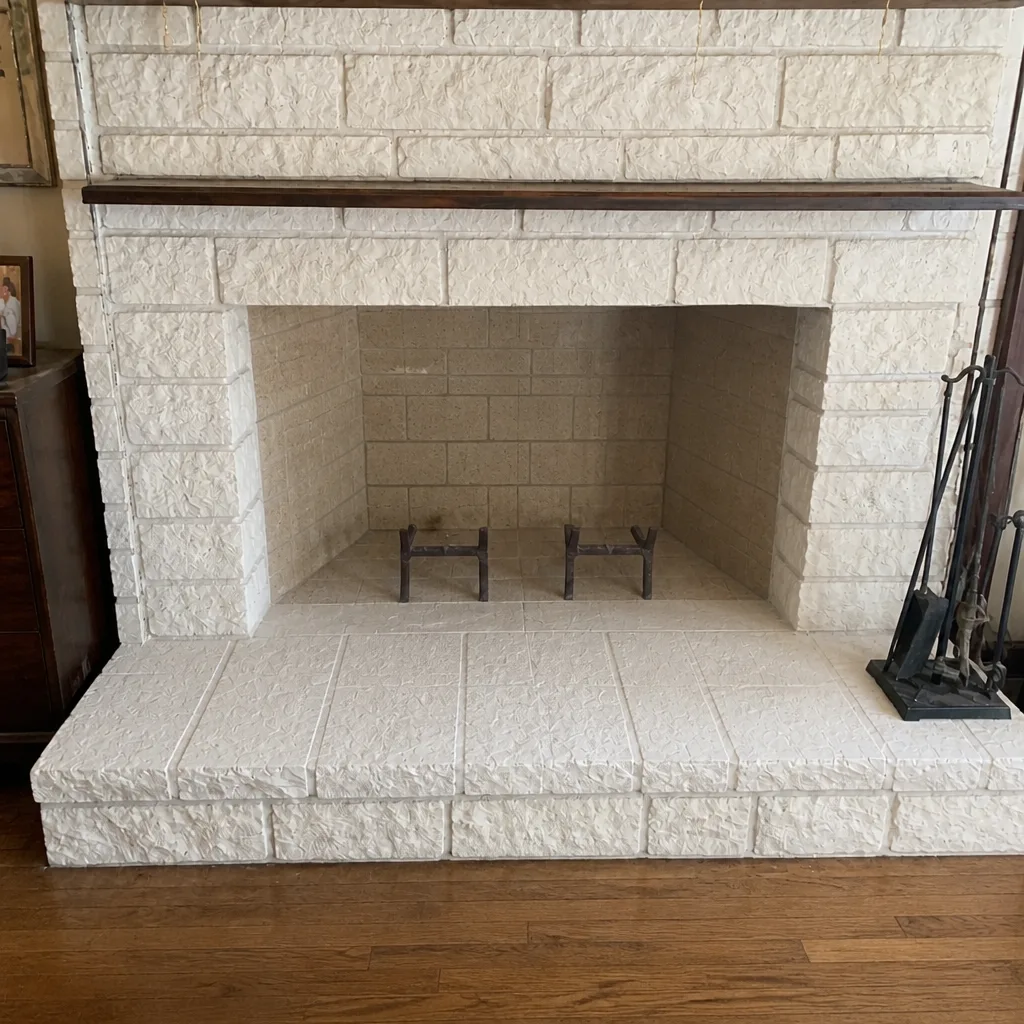
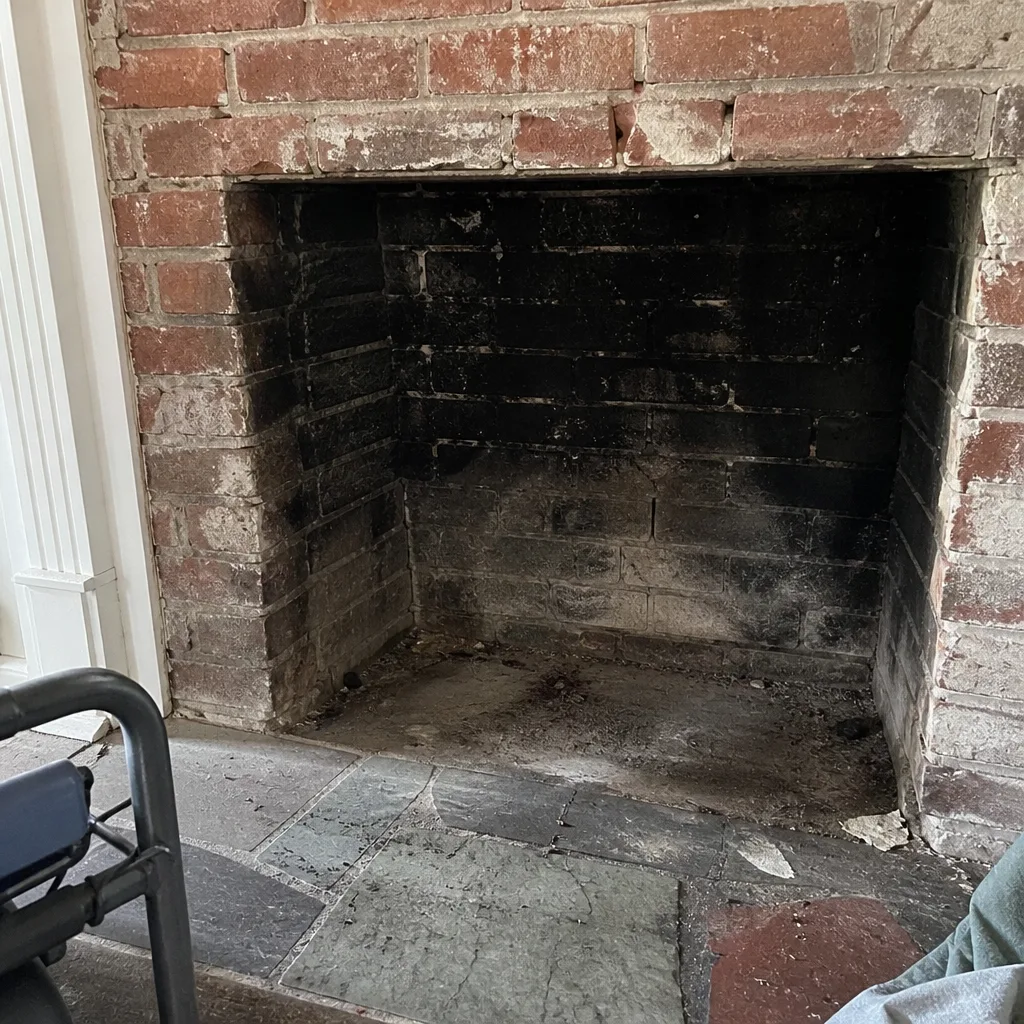
See the difference
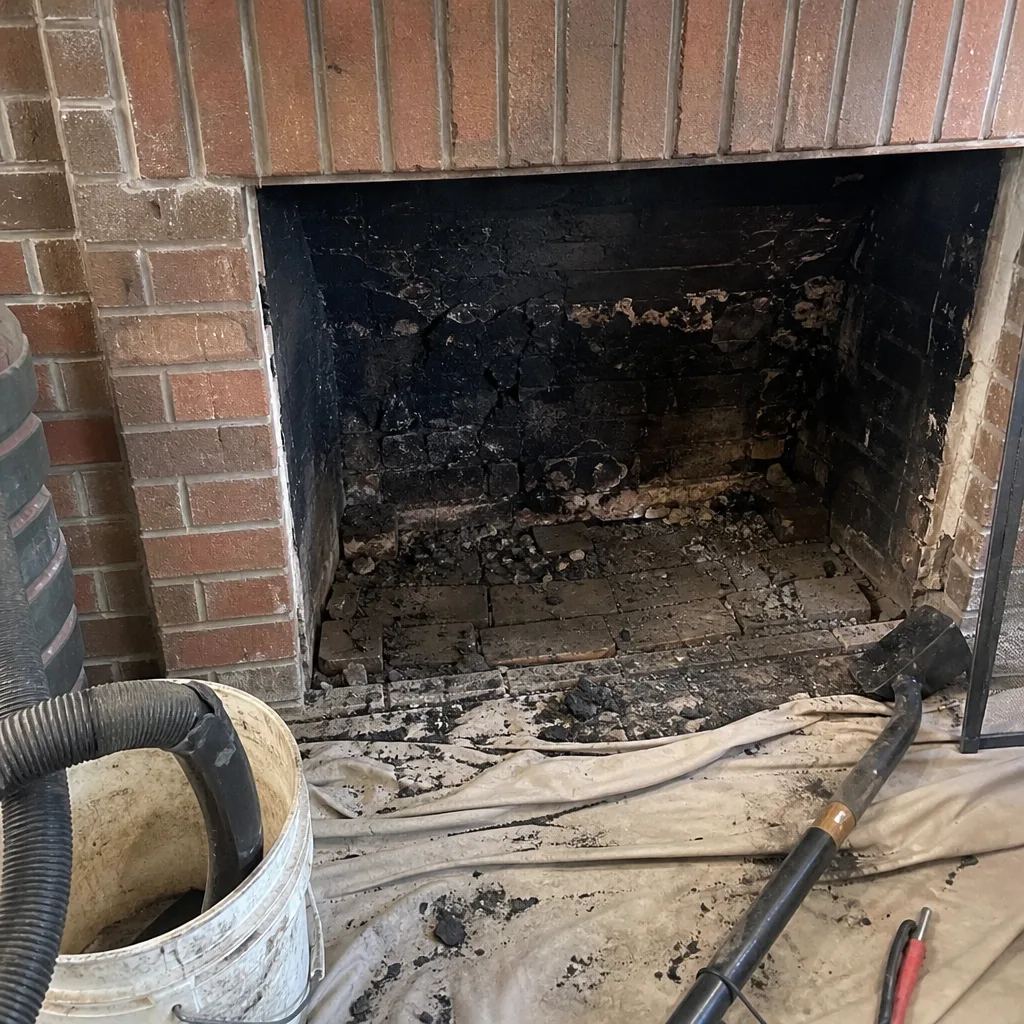 Before
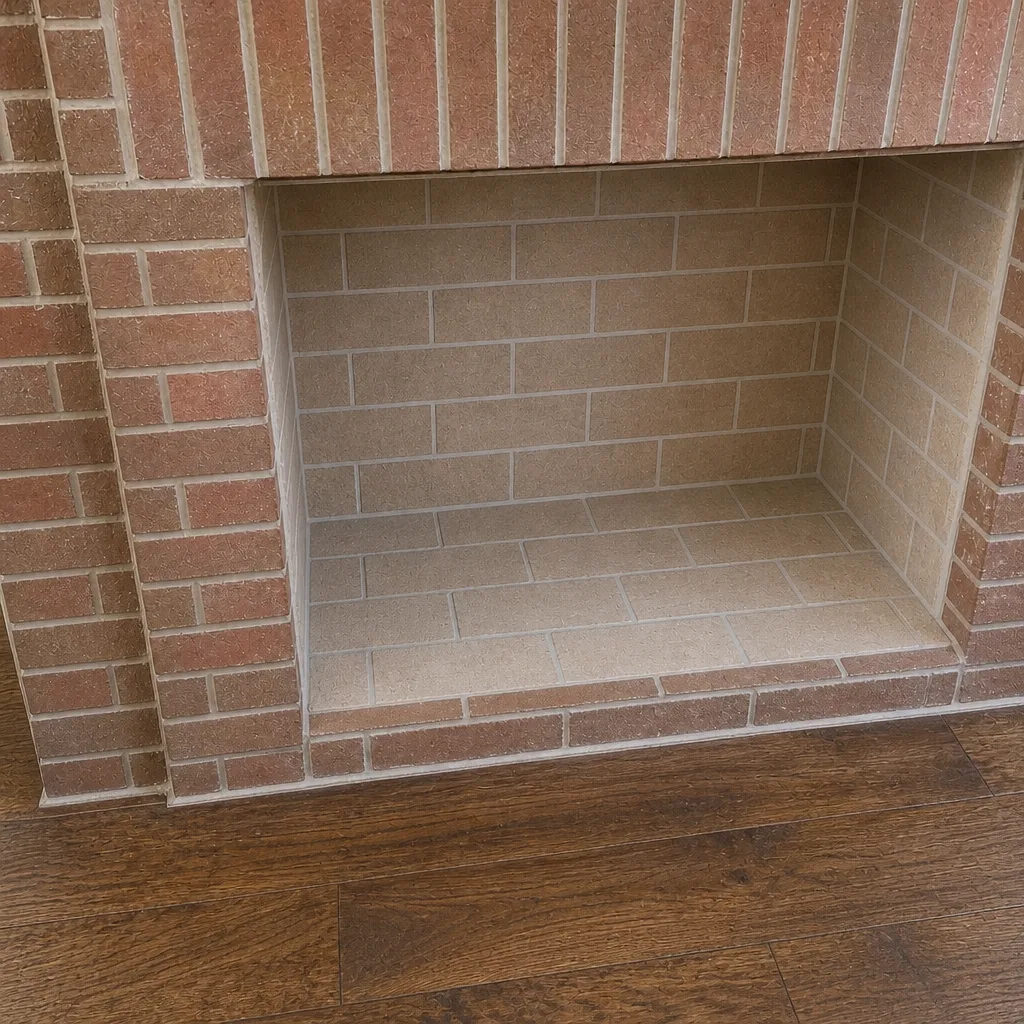 After
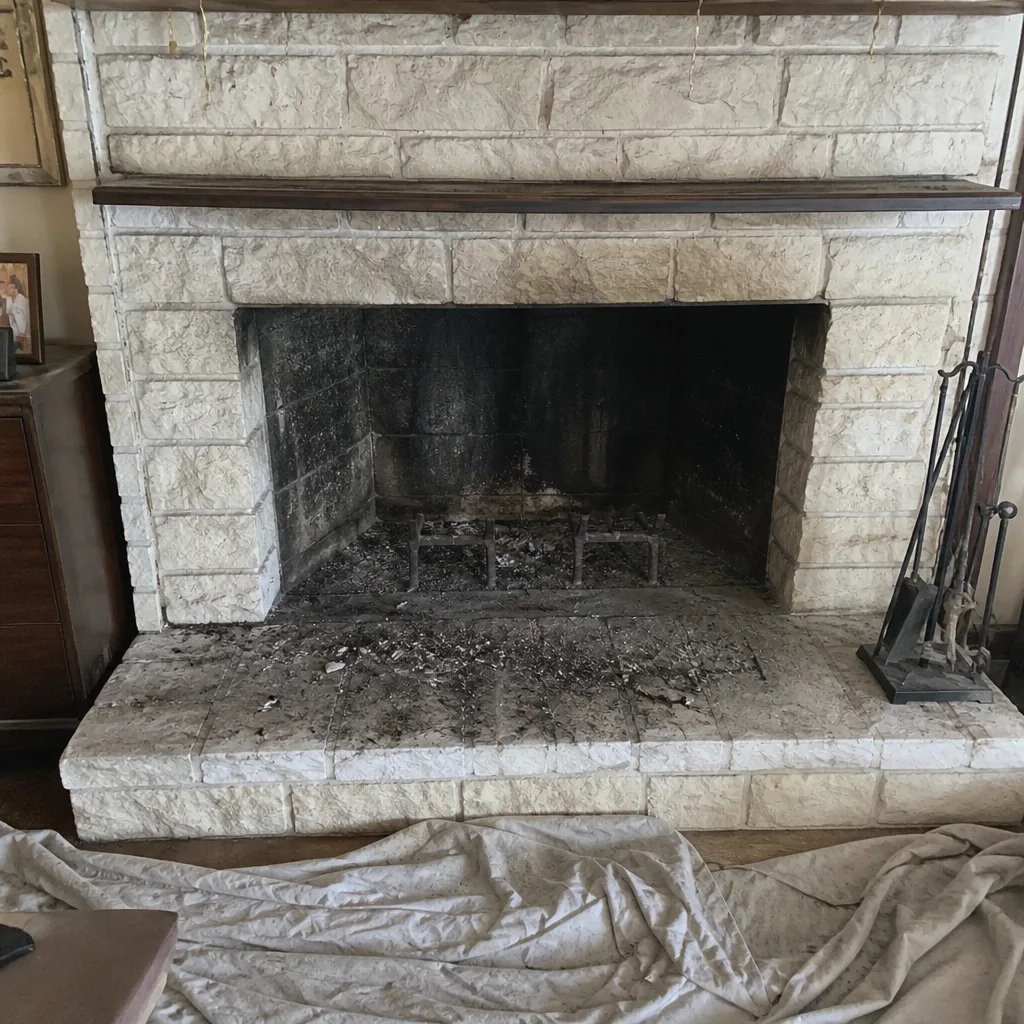 Before
 After
 Before
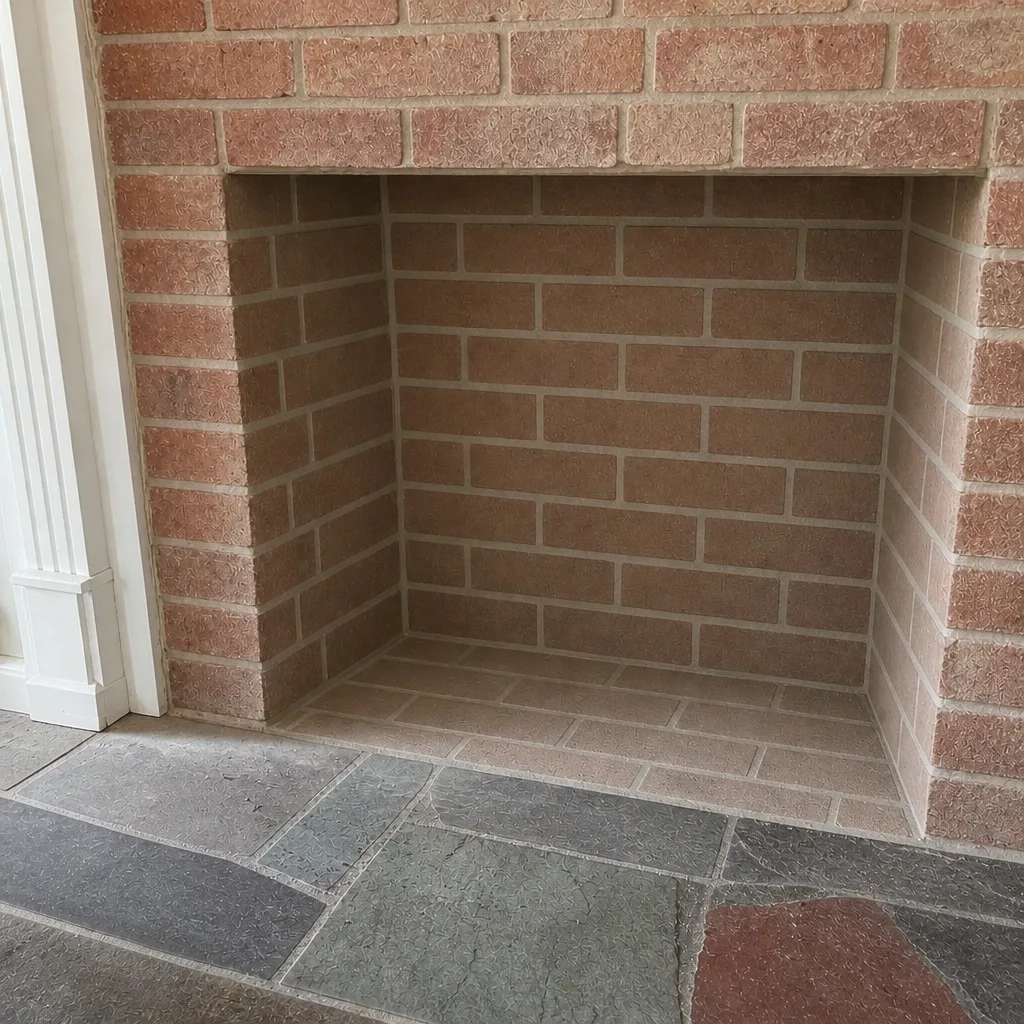 After
Common Mistakes to Avoid
- Treating the cleaning as optional because the fire burned fine last year. A clean fire and an unsafe flue can look identical from the living room. The only reliable check is a professional look up the flue with a camera.
- Skipping the gas fireplace. Gas appliances produce no visible soot, which is exactly why the moisture, dust, and vent checks get missed for years. A gas fireplace still gets a yearly service.
- Assuming the exterior tells the story. In Memorial’s humidity, the outside of a chimney can look perfect while the interior tile and mortar are degrading. The camera, not the curb view, is the test.
- Hiring a sweep-only crew to save a little on the visit. The missing cap check, smoke chamber cleaning, and liner inspection are exactly what you’re paying for. A sweep-only visit can leave behind a problem the price hid.
- Burning unseasoned wood “to use up what’s there.” Wet wood creates more creosote in one season than dry wood does in three, and in our climate the extra moisture adds to the hardening problem.
- Authorizing a liner replacement without seeing the evidence. Ask for the camera footage. A professional will show you the cracked tile or the gap rather than asking you to take the diagnosis on faith. If they won’t, walk away.
- Waiting until the first cold snap to book. Late fall is the busiest stretch for every chimney specialist in the area, so early fall is the time to schedule.
When to Call a Professional
Call a professional chimney sweep in Memorial if any of the following apply: you can see a layer of creosote more than about 1/8 inch thick on the flue wall; your last cleaning was more than a year ago; you’ve had a chimney fire, even a small one; you’ve noticed smoke or a sooty smell drifting into the house with the damper closed; there’s visible water staining, crumbling mortar, or spalling brick around the chimney; you’ve had a major storm pass over the roof; you’ve bought a new home in the area; or you’re about to light the first fire of the season in a gas or wood-burning fireplace. Any of these is enough reason to have the system looked at before you use it.
Chimney Sweep Memorial offers free estimates in Memorial, and every recommendation is backed by camera evidence you can review yourself. We answer 24/7 and offer fast dispatch from 7am to 7pm, Sunday through Friday. Call (833) 509-5352 to book a cleaning or a formal inspection.
Frequently Asked Questions
Most chimney cleanings in Memorial cost in the range of $150 to $300 depending on the flue condition, whether it’s a wood-burning or gas appliance, and whether an inspection is bundled in. A formal inspection with a camera scan typically adds to that, and the written estimate sets the final price. Call (833) 509-5352 for an exact quote; estimates are free.
Once a year for wood-burning fireplaces and gas appliances alike, or any time creosote has built up to about 1/8 inch. In a humid climate, the creosote hardens faster between seasons, so the yearly rhythm matters more here than in dry regions. Call (833) 509-5352 to get on the schedule before the first fire.
Only if the camera shows a confirmed reason: a cracked or misaligned tile, a gap at the smoke chamber, or a deteriorated clay liner that’s no longer containing the combustion products. Many chimney issues are resolved with cleaning and a resurfacing like HeatShield rather than a full relining. Nothing is recommended without camera evidence you can see for yourself. Call (833) 509-5352 for an inspection that documents what’s actually there.
Yes, and it should be done yearly. Gas fireplaces don’t produce visible soot or creosote, but they do produce moisture, dust buildup, and venting that needs checking for corrosion and blockage. A blocked gas vent is a carbon monoxide risk, not just a smoke problem. Call (833) 509-5352 to schedule the annual service.
A Level 2 inspection is the right call. It adds a camera scan of the full flue interior, plus a look at the areas behind the walls and at the roofline, which is where storm damage and long-idle moisture problems show up. Call (833) 509-5352 to book a Level 2 inspection.
The creosote keeps hardening, the flue stays wet between seasons, and the risk of a flue fire grows each season. It also means small liner problems go unnoticed until they become real repairs. Skipping one season isn’t a guarantee of a fire, but it stacks the odds. Call (833) 509-5352 and get the cleaning on the calendar before the first fire of the season.
The Bottom Line
Chimney cleaning in Memorial works on a yearly rhythm, not a “when it looks dirty” rhythm. The humid climate, short burn seasons, and clay-soil movement make the annual visit more important here than in dry parts of the country: creosote hardens between seasons, gas appliances still build up moisture and dust, and masonry liners can crack from the outside in. The full-service visit includes the sweep, the camera, the smoke chamber, and the cap and crown check. The sweep-only visit leaves most of that behind. Inspect before you repair, and ask for the camera footage before any liner work gets authorized.
Written by the team at Chimney Sweep Memorial.
If you’d like a real read on what’s inside your chimney, book a cleaning or inspection with Chimney Sweep Memorial. One company, every chimney service. Call (833) 509-5352 for a free estimate. We answer 24/7 and dispatch from 7am to 7pm, Sunday through Friday.